Hirpora Wildlife Sanctuary is a pristine protected area located in the Shopian district of Jammu and Kashmir, known for its rich biodiversity, alpine landscapes, and peaceful wilderness. Nestled along the historic Mughal Road, the sanctuary lies at an altitude ranging from approximately 2,100 to 4,700 meters, making it one of the most ecologically diverse regions in the Kashmir Valley. Spread over a vast area of dense forests and alpine meadows, Hirpora Wildlife Sanctuary is an important natural habitat and a major attraction for nature and wildlife enthusiasts.
The sanctuary is especially famous as one of the few remaining habitats of the Pir Panjal markhor, a rare and endangered wild goat species. Besides the markhor, Hirpora is home to a variety of wildlife including Himalayan black bear, musk deer, leopard, Himalayan wolf, and red fox. The region also supports rich birdlife, with numerous species of migratory and resident birds found across different seasons, making it a rewarding destination for birdwatchers.
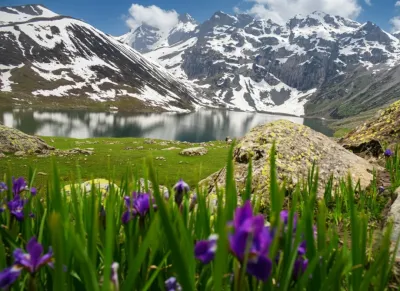
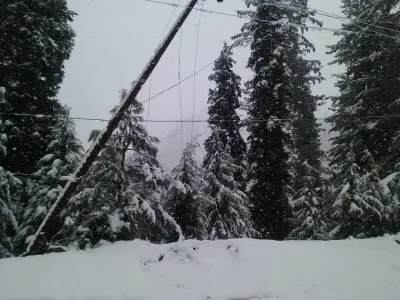
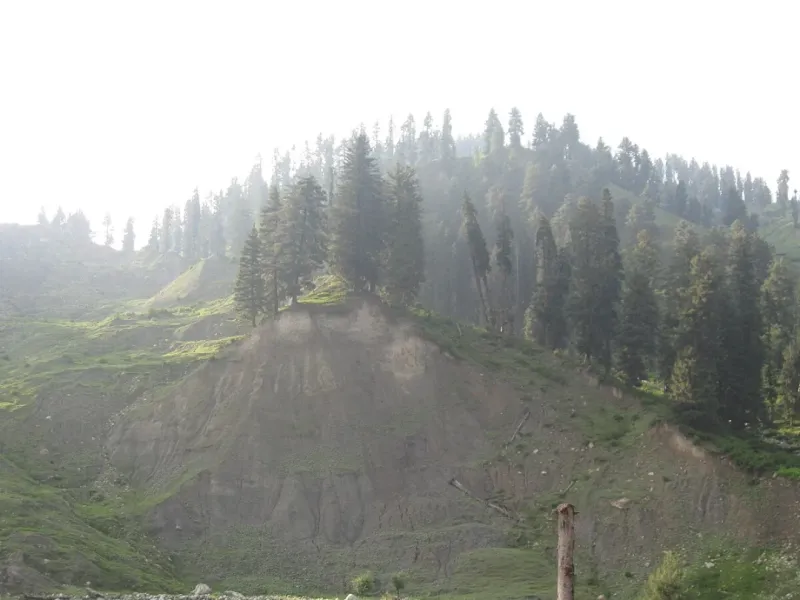
Hirpora Wildlife Sanctuary features a mix of coniferous forests, alpine pastures, rocky slopes, and high-altitude grasslands. The lush green meadows during summer and snow-covered terrain in winter offer contrasting yet equally stunning landscapes. Several natural streams flow through the sanctuary, enhancing its scenic beauty and supporting local ecosystems.
While the sanctuary is primarily a conservation area, it also attracts travelers interested in eco-tourism, photography, and trekking. Visitors passing through the Mughal Road often stop to admire the views and experience the calm surroundings. However, access inside the core wildlife zones may be restricted to protect the natural habitat, and travelers are advised to follow local guidelines.
The best time to visit Hirpora Wildlife Sanctuary is from May to October, when weather conditions are favorable and the road remains open. Overall, Hirpora Wildlife Sanctuary stands as a vital ecological treasure of Kashmir, offering a rare blend of wildlife conservation, natural beauty, and serene mountain landscapes away from commercial tourism.