Kaiserbagh Palace
- Attraction
- Price: Free
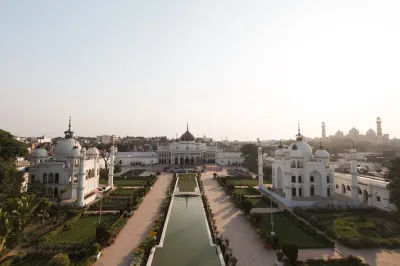
Kaiserbagh Palace, also known as the Qaiserbagh Palace Complex, is one of the most significant historical landmarks of Lucknow and a fine example of the city’s Nawabi heritage. It was built in the mid-19th century by Nawab Wajid Ali Shah, the last Nawab of Awadh, and once served as his royal residence and cultural center. The palace complex reflected the grandeur, artistic taste, and refined lifestyle of the Awadh rulers.
Originally, Kaiserbagh was a vast palace complex that included royal halls, residential buildings, courtyards, pavilions, gateways, fountains, and beautifully designed Mughal-style gardens. It was a lively center for cultural activities such as music, dance, poetry gatherings, and royal ceremonies. The Nawab’s deep interest in art and culture was clearly visible in the design and atmosphere of the palace.
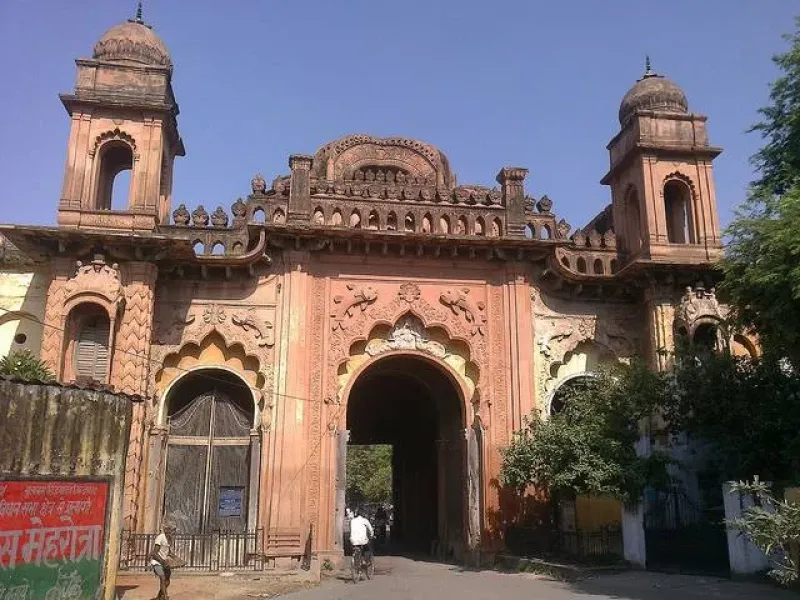
Architecturally, Kaiserbagh Palace displayed a unique blend of Indo-Islamic and European styles. Decorative arches, ornate balconies, marble floors, and artistic detailing gave the complex a grand and elegant appearance. The palace was once surrounded by high walls and impressive gateways, making it one of the most magnificent royal complexes of its time.
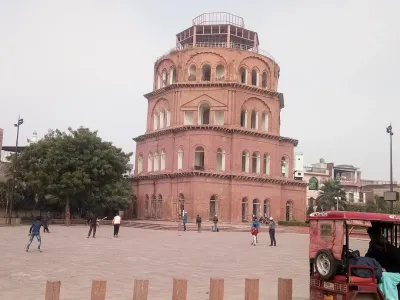
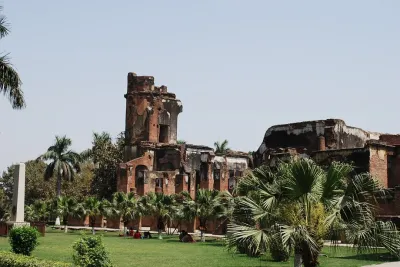
The palace suffered heavy damage during the Indian Rebellion of 1857, after which many parts were destroyed or taken over by the British administration. Over the years, several structures disappeared, but a few important remains, such as Safed Baradari and parts of the surrounding complex, still exist and reflect its past glory.
Today, Kaiserbagh Palace stands as a reminder of Lucknow’s rich Nawabi history and cultural legacy. Though much of the original palace no longer survives, it remains an important historical and tourist attraction. For visitors interested in heritage, architecture, and the royal history of Awadh, Kaiserbagh Palace offers a meaningful glimpse into Lucknow’s glorious past.