About Gujarat
Gujarat Tourist Places: Top Attractions, Best Time to Visit & Trip Planning Ideas
Most people start planning Gujarat by looking at a map and assuming the destinations are closer than they actually are.
That's usually the first mistake.
A trip that includes Gir National Park, Dwarka, Somnath and the Rann of Kutch can involve long driving days if the route is not planned properly. The places themselves are rarely the challenge. The distance between them is.
That's also what makes Gujarat different from many other states. A single trip can include wildlife safaris, coastal temples, heritage cities, hill stations and vast white salt deserts without feeling repetitive.
If you're researching Gujarat tourist places, this guide focuses on destinations that consistently justify the travel time, along with practical insights on when to visit, how many days to plan and which places fit different travel styles.
WHAT IS INCLUDED IN A TYPICAL GUJARAT TRIP?
Most Gujarat itineraries combine sightseeing, hotel stays, local transport and visits to major attractions such as Dwarka, Somnath, Gir National Park, the Rann of Kutch and Ahmedabad. The exact route depends on the number of days available, but a well-planned trip usually balances driving time with enough time at each destination rather than trying to cover everything too quickly.
QUICK SNAPSHOT
Location: Western India
Ideal Trip Duration: 5–8 Days
Best Time to Visit Gujarat: October to March
Famous For: Temples, Wildlife, White Desert, Heritage Cities and Coastal Destinations
Best For: Families, Couples, Road Trips and Cultural Exploration
|Budget Range: ₹12,000–₹45,000+ Per Person
What Makes Gujarat Different From Other States?
Many destinations become predictable after a few days.
Gujarat rarely does.
You could spend the morning watching Asiatic lions in Gir, drive toward the Arabian Sea by evening and then find yourself standing on the white salt flats of Kutch a day later.
The contrast between destinations is what keeps the journey interesting.
Another thing travelers often notice is how different the pace feels across the state. Ahmedabad moves quickly. Dwarka revolves around temple timings. Gir follows safari schedules. Kutch feels slow and open, especially after sunset when most day visitors leave.
Because of this variety, Gujarat works well for travelers who prefer experiences that feel different from one another rather than several destinations offering essentially the same thing.
Top 10 Tourist Places in Gujarat
1. Rann of Kutch
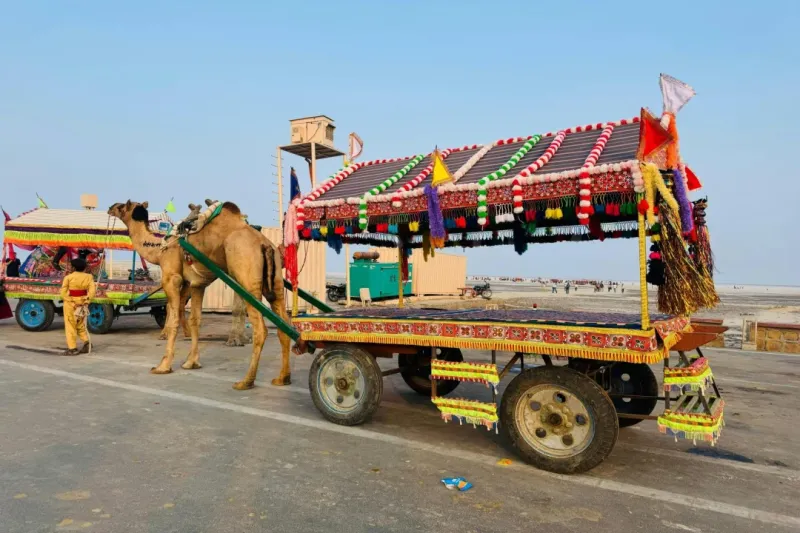
If there's one place that surprises first-time visitors the most, it's usually the Rann of Kutch.
Photographs show the white landscape.
What they don't show is the scale.
Standing in the middle of the salt desert during late afternoon feels completely different from seeing it online. The emptiness stretches far beyond what most people expect.
The atmosphere changes again after sunset when temperatures drop and the crowds begin thinning out.
Best Time to Visit:
November to February
Time Needed:
1–2 Days
Things to Do:
• Visit the White Rann at sunset
• Experience the Rann Utsav season
• Explore nearby villages known for handicrafts
• Watch sunrise over the salt flats
Practical Observation:
Many visitors arrive only for sunset and leave immediately afterward. Staying overnight usually creates a much better experience because the desert feels quieter once the large tour groups depart.
2. Gir National Park
Among all famous places in Gujarat, Gir offers something that cannot be experienced anywhere else in the country.
It remains the only natural habitat of the Asiatic lion.
Most safari discussions focus on lion sightings, but experienced visitors often enjoy the overall landscape just as much. Dry forests, open grasslands and changing light conditions make every safari feel slightly different.
Best Time to Visit:
December to March
Time Needed:
1–2 Days
Things to Do:
• Jeep safari
• Devalia Safari Park
• Birdwatching
• Nature photography
Practical Observation:
Booking the earliest safari slot often improves the overall experience. Wildlife movement tends to be more active and temperatures stay comfortable.
3. Dwarka
Dwarka attracts pilgrims throughout the year, but many travelers are surprised by how strongly the town revolves around temple schedules.
The busiest periods usually coincide with major prayer timings.
Arriving between those peaks often means shorter queues and a calmer atmosphere.
Beyond the temple itself, the coastal setting adds another dimension to the experience. The sea remains visible from many parts of town and changes the mood of the place throughout the day.
Best Time to Visit:
October to March
Time Needed:
1 Day
Things to Do:
• Visit Dwarkadhish Temple
• Explore Bet Dwarka
• Attend evening aarti
• Walk along the Gomti Ghat area
Practical Observation:
Many visitors rush through Dwarka in a few hours. Spending one night often allows enough time to experience both the morning and evening atmosphere around the temple complex.
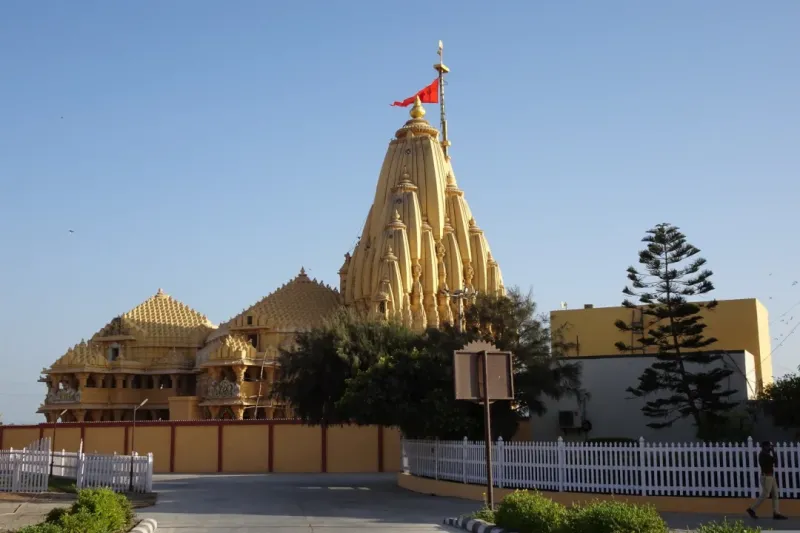
4. Somnath
Somnath often gets grouped with Dwarka in Gujarat itineraries.
While both are important pilgrimage destinations, the experience feels very different.
What stands out here is the combination of temple architecture and the Arabian Sea directly beside it.
By late afternoon, the seafront becomes noticeably busier. After sunset, however, the atmosphere often feels calmer than many visitors expect.
Best Time to Visit:
October to March
Time Needed:
1 Day
Things to Do:
• Visit Somnath Temple
• Attend evening aarti
• Watch the light and sound show
• Spend time along the seafront
Practical Observation:
Try not to schedule Somnath as a quick stop between destinations. Arriving early evening generally creates a much better experience than a rushed afternoon visit.
5. Saputara
When people talk about Gujarat, hill stations usually aren't the first thing that comes to mind.
That's exactly why Saputara surprises many travelers.
The temperature feels noticeably different from much of the state, especially between July and February. The roads become greener, the pace slows down, and the crowds remain manageable compared to many popular hill destinations elsewhere in India.
Best Time to Visit:
July to February
Time Needed:
1–2 Days
Things to Do:
• Saputara Lake boating
• Sunrise Point
• Sunset Point
• Ropeway ride
• Artist Village
Practical Observation:
A hotel near the lake makes evening walks easier, but properties slightly away from the center usually offer quieter mornings.
6. Ahmedabad
Ahmedabad is often treated as a transit stop.
That's usually a mistake.
Many travelers arrive, spend one night, and move on. In reality, the city contains enough heritage, food experiences, and architecture to justify at least a full day.
The old city feels completely different from the newer parts. Narrow lanes, local markets, and historic buildings create an experience that changes every few streets.
Best Time to Visit:
October to February
Time Needed:
1–2 Days
Things to Do:
• Heritage Walk
• Sabarmati Ashram
• Adalaj Stepwell
• Kankaria Lake
• Local food trails
Practical Observation:
Early morning is often the best time to explore the old city before traffic and crowds increase.
7. Statue of Unity
Many people assume the Statue of Unity is only about seeing the monument.
Most visitors end up spending far more time in the surrounding attractions than expected.
The viewing gallery, valley area, and nearby developments have turned the destination into more than just a quick photo stop.
Best Time to Visit:
October to March
Time Needed:
1 Day
Things to Do:
• Viewing Gallery
• Valley of Flowers
• Jungle Safari
• Riverfront Area
Practical Observation:
Weekends become significantly busier. A weekday visit usually means shorter waiting times.
8. Bhuj
Bhuj often becomes the gateway to Kutch.
What many travelers don't realize is that the town itself deserves attention.
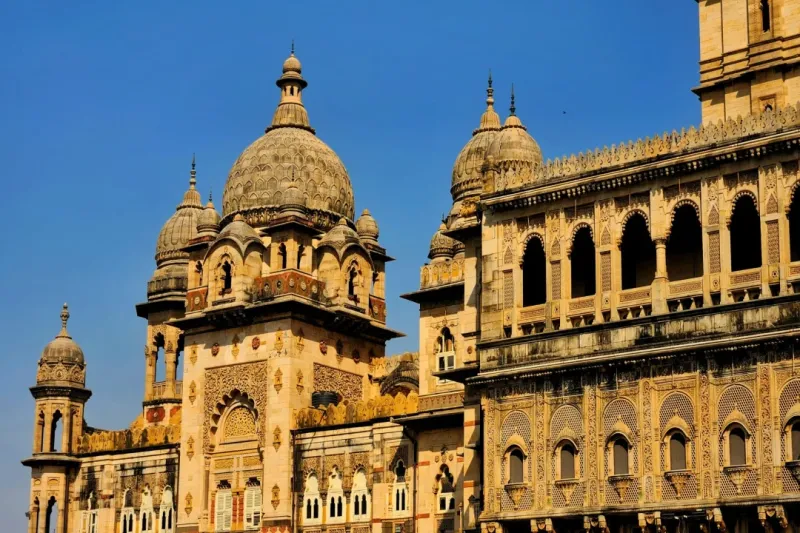
Markets, local crafts, traditional architecture, and food experiences provide a deeper understanding of the region before heading into the White Rann.
Best Time to Visit:
November to February
Time Needed:
1 Day
Things to Do:
• Aina Mahal
• Prag Mahal
• Local handicraft shopping
• Traditional food experiences
Practical Observation:
Keeping half a day for local markets often works better than rushing directly toward Kutch.
9. Champaner-Pavagadh
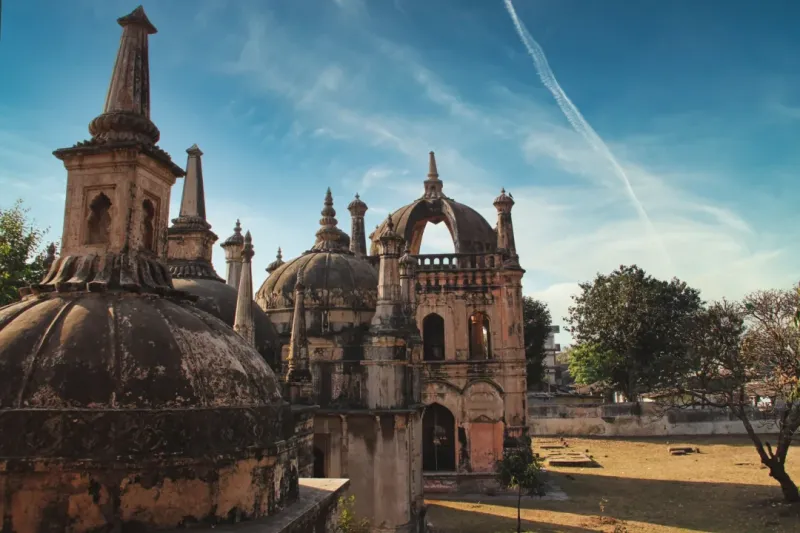
This UNESCO World Heritage Site feels very different from the temple towns and coastal destinations found elsewhere in Gujarat.
The combination of historic structures, archaeological remains, and hilltop views creates a slower experience focused more on exploration than sightseeing checklists.
Best Time to Visit:
October to February
Time Needed:
1 Day
Things to Do:
• Pavagadh Ropeway
• Kalika Mata Temple
• Archaeological Sites
• Hill Views
Practical Observation:
Starting early helps avoid queues at the ropeway, especially during weekends and holidays.
10. Mandvi
Mandvi works best for travelers looking to slow down.
The beach atmosphere feels noticeably calmer than many heavily commercialized coastal destinations.
Evenings are usually the highlight. The heat begins to drop, local families arrive, and the shoreline becomes much more enjoyable for long walks.
Best Time to Visit:
October to March
Time Needed:
1 Day
Things to Do:
• Mandvi Beach
• Vijay Vilas Palace
• Sunset Walks
• Local Seafood
Practical Observation:
Many visitors stop here for only a few hours. Staying overnight often allows a much more relaxed experience.
Things to Do in Gujarat
The best things to do in Gujarat are rarely about collecting the maximum number of sightseeing points.
The experiences people remember most usually happen when they slow down.
• Watch sunset across the White Rann
• Join an early morning Gir safari
• Attend evening aarti at Somnath
• Explore old Ahmedabad on foot
• Take the ropeway at Pavagadh
• Spend an evening near Mandvi Beach
• Visit Bet Dwarka by boat
• Explore local handicraft villages in Kutch
• Watch sunrise over Saputara hills
• Experience local food markets after sunset
Best Time to Visit Gujarat
The best time to visit Gujarat is generally between October and March.
October to November
Comfortable weather begins returning. This period works well for temple visits and city exploration.
December to February
The most popular season. Wildlife safaris, Kutch visits, and sightseeing conditions remain at their best.
March to June
Temperatures rise quickly across most regions. Outdoor sightseeing becomes less comfortable.
July to September
Monsoon changes the atmosphere completely. Saputara becomes especially attractive during this period due to greener surroundings.
Places to Visit in Gujarat for 2 Days
If you only have a weekend:
Option 1
Ahmedabad + Statue of Unity
Option 2
Dwarka + Somnath
Option 3
Saputara
Trying to include more destinations usually creates unnecessary driving.
Places to Visit in Gujarat for 3 Days
Recommended Route:
Ahmedabad → Statue of Unity → Champaner-Pavagadh
OR
Dwarka → Somnath → Porbandar
This duration allows sightseeing without spending most of the trip on highways.
Places to Visit in Gujarat for 5 Days
Recommended Route:
Ahmedabad → Gir → Somnath → Dwarka
OR
Bhuj → Rann of Kutch → Mandvi
Five days is where Gujarat starts feeling less rushed.
Best Places to Visit in Gujarat With Family
Families usually enjoy:
• Statue of Unity
• Gir National Park
• Somnath
• Dwarka
• Ahmedabad
• Saputara
These destinations combine comfortable infrastructure with relatively easy travel logistics.
Places to Visit in Gujarat for Couples
Couples often prefer:
• Mandvi
• Saputara
• White Rann of Kutch
• Dwarka Seafront
• Boutique stays near Gir
The experience often improves more through hotel location than through adding additional destinations.
Common Gujarat Trip Planning Mistakes
Trying to cover Kutch, Dwarka, Gir and Ahmedabad in three days.
Ignoring driving distances.
Booking hotels far from sightseeing areas.
Scheduling Gir without checking safari availability.
Adding destinations simply because they appear nearby on maps.
Most Gujarat trips don't feel rushed because of the destinations themselves.
They feel rushed because too much gets packed into too little time.
Plan Your Gujarat Trip the Right Way
The most common thing travelers change after speaking with a planner isn't the destination.
It's the route.A better hotel location, one less driving day, or an extra evening at the right place often improves the experience more than adding another sightseeing stop.
If you're planning Gujarat, get a personalized itinerary, stay recommendations, and trip cost estimate before booking anything.
Top Destinations In Gujarat