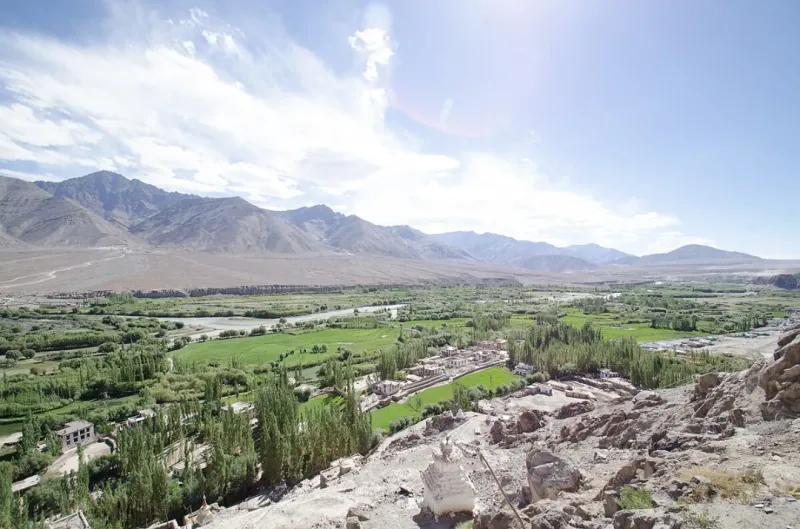
Indus River
- Attraction
- Price: Free
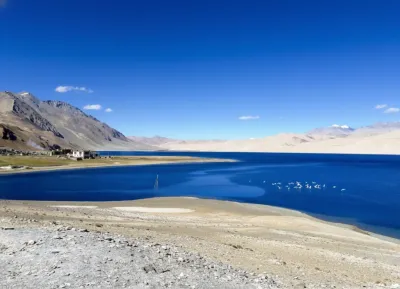
Indus River is one of the most important and historic rivers in Ladakh, playing a vital role in shaping the region’s geography, culture, and daily life. Flowing through rugged mountains and vast high-altitude landscapes, the river brings life to Ladakh’s otherwise cold desert environment. Originating near Lake Manasarovar in Tibet, the Indus enters India in Ladakh and continues its long journey through the Himalayas.
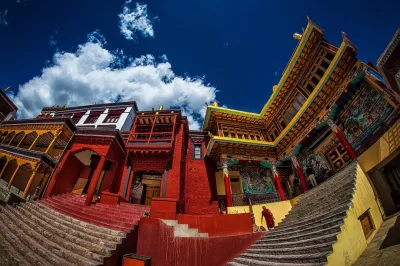
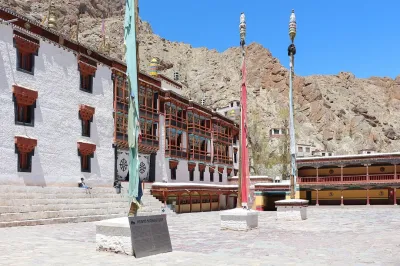
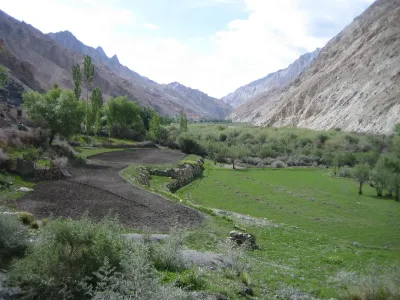
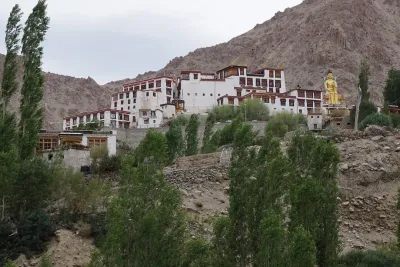
In Ladakh, the Indus River flows past many well-known towns and villages, including Leh, Shey, Thiksey, Stakna, and Basgo. Several famous monasteries and palaces are located along its banks, making the river a key part of Ladakh’s cultural and spiritual landscape. The fertile land near the river supports agriculture, allowing local communities to grow crops such as barley, wheat, and vegetables in an otherwise harsh climate.
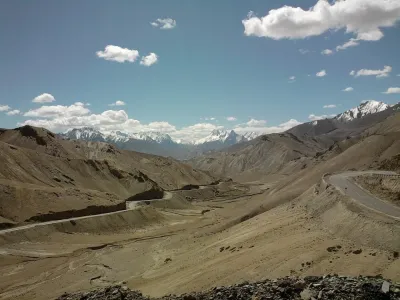
From a tourism point of view, the Indus River is a major natural attraction. The scenic drive along the river offers breathtaking views of barren mountains, green riverbanks, and traditional Ladakhi villages. One of the most popular sightseeing spots related to the river is the Indus–Zanskar Sangam, where the greenish Indus meets the muddy Zanskar River, creating a striking visual contrast.
Adventure lovers are also drawn to the Indus River for river rafting. The stretch between Phey and Nimmu is especially popular, offering exciting rapids combined with stunning Himalayan scenery. Photography, riverside walks, and cultural exploration are other common activities for visitors.
The Indus River holds deep historical significance, as it gave rise to one of the world’s oldest civilisations. Even today, it continues to influence life in Ladakh by providing water, livelihoods, and a connection to ancient traditions. Calm, scenic, and culturally rich, the Indus River is not just a geographical feature but an essential part of Ladakh’s identity and travel experience.