Neelkanth Mahadev Temple
- Attraction
- Price: Free
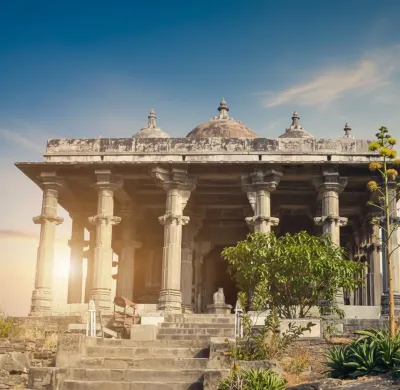
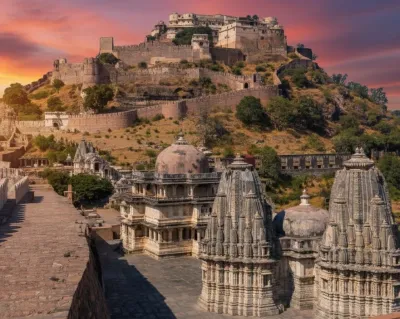
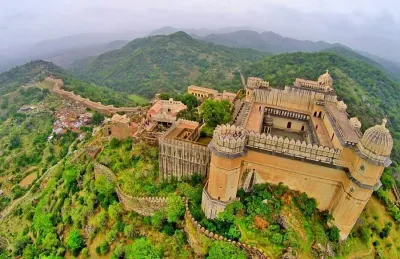
Neelkanth Mahadev Temple is a historically and spiritually significant Hindu shrine located inside Kumbhalgarh Fort in the Rajsamand district of Rajasthan. Dedicated to Lord Shiva, the temple dates back to the 15th century and was built during the reign of Maharana Kumbha, the ruler responsible for constructing the mighty Kumbhalgarh Fort. Surrounded by the rugged Aravalli Hills, the temple holds a special place among the religious attractions of the fort complex.
The temple is renowned for its impressive Shiva lingam, which is believed to be over five feet tall and features a carved face of Lord Shiva on its surface. This unique representation gives the deity the name “Neelkanth,” meaning the blue-throated one, associated with Lord Shiva’s act of consuming poison during the cosmic churning. The presence of this distinct lingam makes the temple an important site for devotees and history enthusiasts alike.
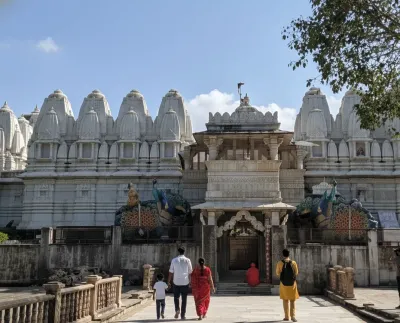
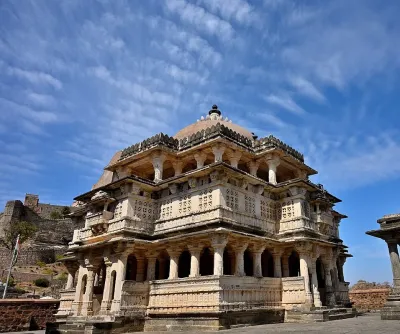
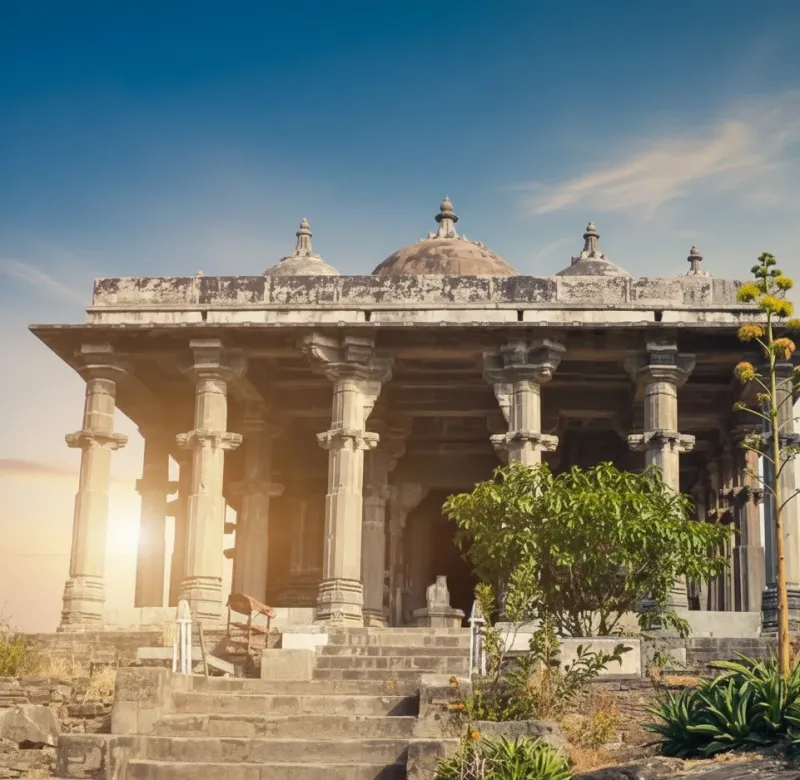
Architecturally, Neelkanth Mahadev Temple reflects the classic Mewar style, with finely carved pillars, ornate ceilings, and sculpted stone panels depicting deities, floral patterns, and mythological scenes. Despite centuries of exposure to harsh weather and invasions, the temple has retained much of its original structure and artistic beauty. The peaceful ambiance inside the temple contrasts beautifully with the massive fort walls surrounding it.
Neelkanth Mahadev Temple was not only a place of worship but also a spiritual center for the rulers of Mewar. It is believed that Maharana Kumbha himself worshipped here, seeking divine blessings for the protection of his kingdom. Today, the temple continues to attract pilgrims, especially during festivals like Mahashivratri, when special prayers and rituals are performed.
Easily accessible while exploring Kumbhalgarh Fort, the temple is best visited between October and March. Overall, Neelkanth Mahadev Temple offers a perfect blend of devotion, history, and architectural elegance, making it a must-visit attraction within the Kumbhalgarh Fort complex.