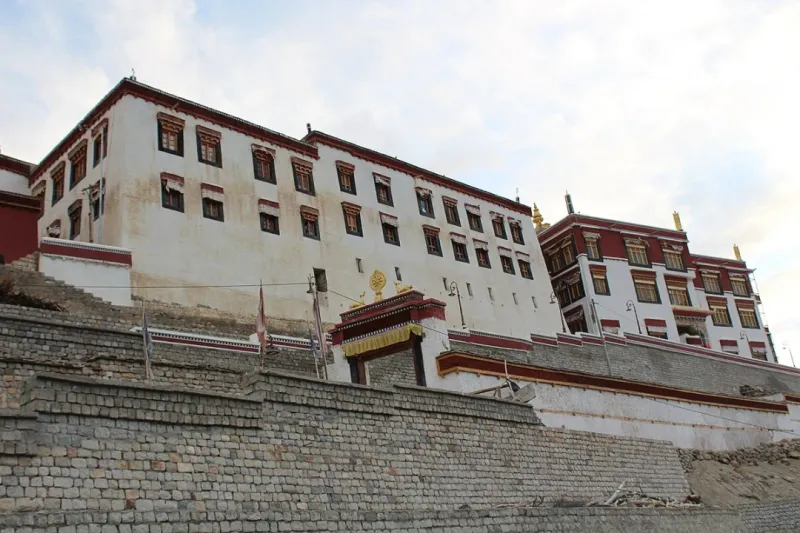
Phyang Monastery
- Attraction
- Price: Free
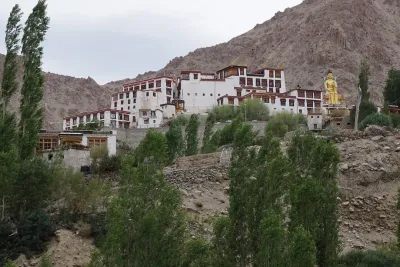
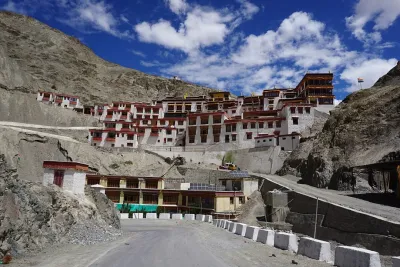
Phyang Monastery, also known as Phyang Gompa, is a historic Buddhist monastery located in Phyang village, approximately 15 km west of Leh in Ladakh. Perched on a hill overlooking the Indus Valley, it is one of the largest and oldest monasteries in the region, belonging to the Drikung Kagyu sect of Tibetan Buddhism. The monastery is renowned for its spiritual significance, architectural beauty, and cultural heritage, making it a must-visit destination for travelers exploring Ladakh.
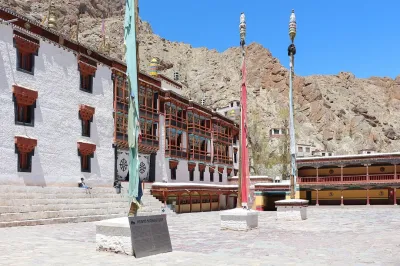
Founded in the 16th century, Phyang Monastery has been a center for Buddhist learning and meditation for centuries. The complex includes prayer halls, monks’ quarters, stupas, and shrines adorned with vibrant murals, statues, and thangkas depicting Buddhist deities, religious symbols, and traditional legends. These artworks reflect the rich artistic traditions of Ladakh and provide insight into the religious practices of the region.
One of the monastery’s notable features is its assembly hall (Dukhang), where monks gather for daily prayers, rituals, and teachings. Visitors can witness the monks performing sacred rituals, chanting, and engaging in meditation, offering a peaceful and spiritual experience. The monastery also houses several sacred relics and ancient manuscripts, adding to its historical and religious importance.
Phyang Monastery is famous for the annual Phyang Festival, held in early summer, during which monks perform colorful Cham dances wearing elaborate masks and costumes. These dances symbolize the victory of good over evil and attract both pilgrims and tourists, showcasing Ladakh’s vibrant cultural traditions.
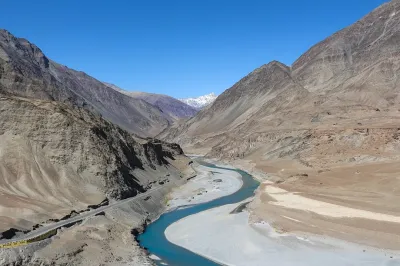
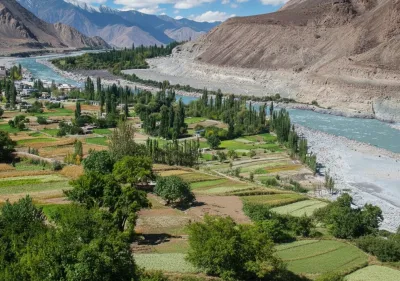
Set against the backdrop of the majestic Himalayan mountains and overlooking lush fields and villages, Phyang Monastery provides a serene and contemplative environment. Its combination of spiritual significance, historical legacy, and scenic beauty makes it an essential destination for religious pilgrims, culture enthusiasts, and travelers seeking to experience the rich heritage of Ladakh.