Rumi Darwaza
- Attraction
- Price: Free
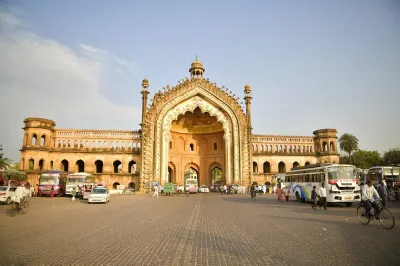
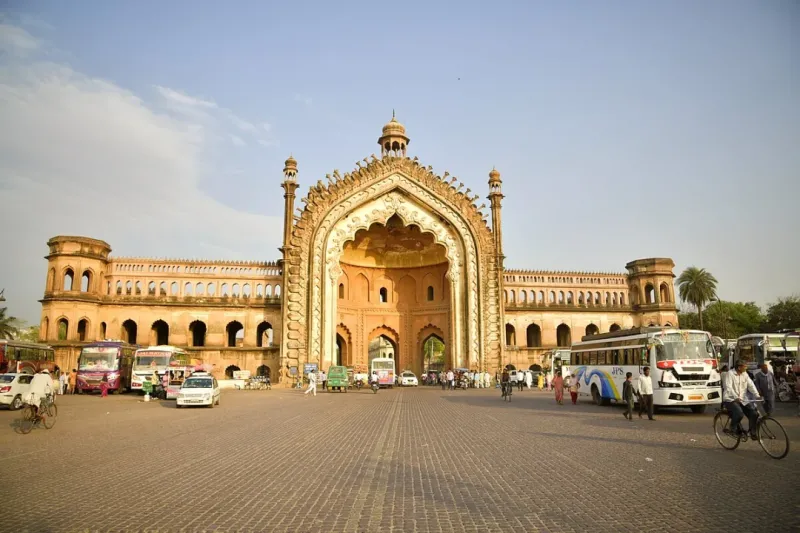
Rumi Darwaza is one of the most iconic historical monuments of Lucknow and a prominent symbol of the city’s Nawabi heritage. Located between Bara Imambara and Chota Imambara, this grand gateway was built in 1784 by Nawab Asaf-ud-Daula during the Awadh period. It was inspired by the architectural style of gateways found in Istanbul (then known as Constantinople), which is why it is named “Rumi,” referring to the Roman or Turkish influence.
Standing at a height of around 60 feet, Rumi Darwaza is an excellent example of Indo-Islamic architecture blended with Persian and Turkish design elements. The monument features a massive central arch, beautifully decorated floral motifs, and intricate stucco work. One of its unique features is that the structure has no wood or iron support, reflecting the advanced engineering skills of the time.
Historically, Rumi Darwaza served as an entrance gateway to the old city of Lucknow and the royal precincts of the Nawabs. It was not only a functional structure but also a symbol of power, prosperity, and artistic excellence of the Awadh rulers. The gateway once had an upper chamber used for surveillance, adding to its strategic importance.
Today, Rumi Darwaza is one of the most photographed landmarks in Lucknow and a major tourist attraction. It looks especially stunning in the evening when illuminated, creating a dramatic and regal atmosphere. The monument is often associated with Lucknow’s refined culture, etiquette, and architectural brilliance.
Rumi Darwaza is not a religious site but a historical monument and cultural attraction. For visitors interested in history, architecture, and heritage walks, Rumi Darwaza offers a timeless glimpse into the grandeur of Nawabi-era Lucknow and remains an essential stop on any city tour.