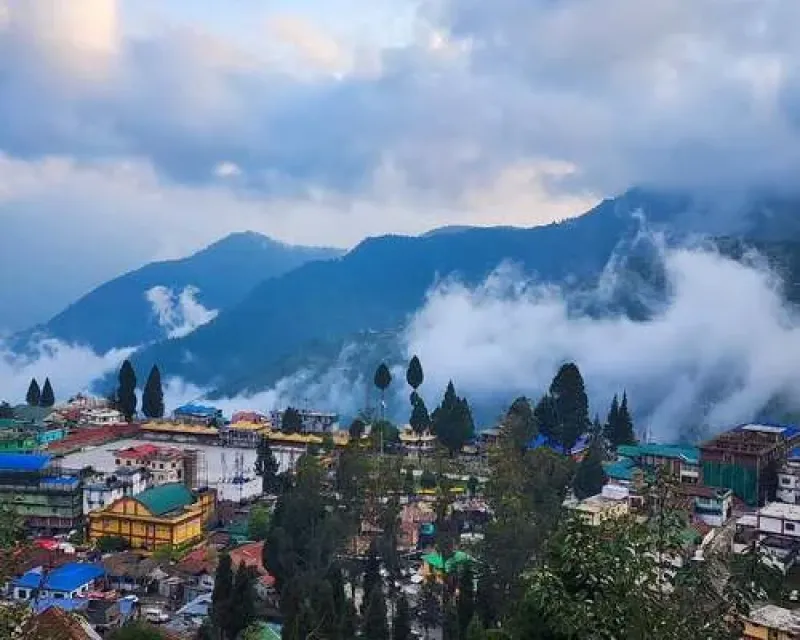
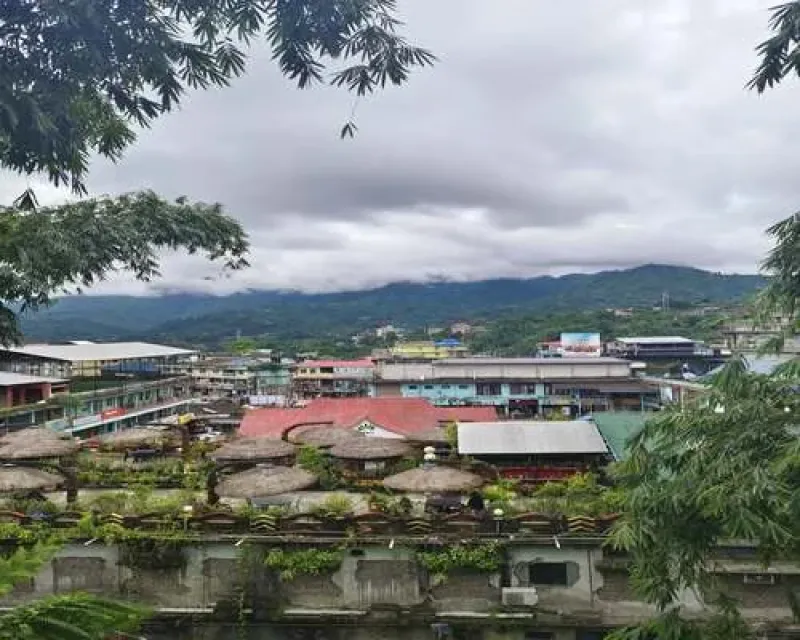
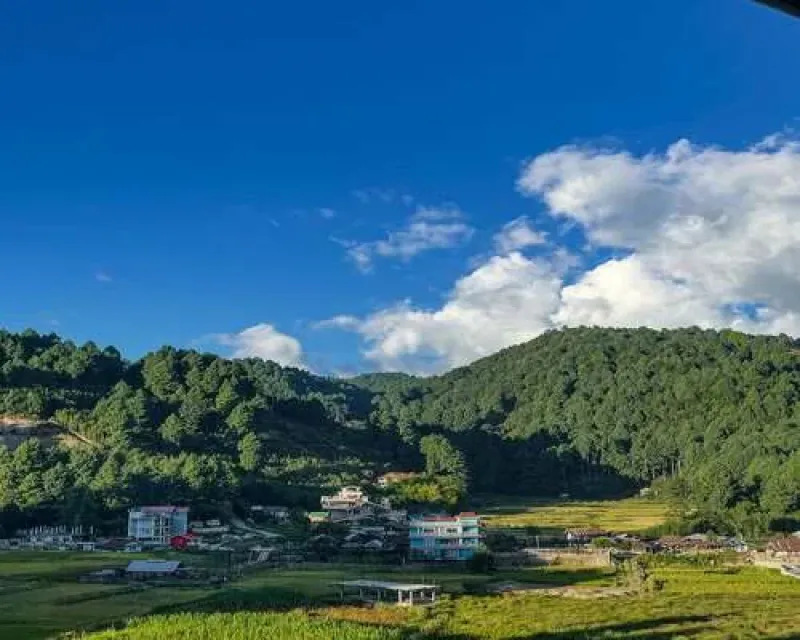
About Itanagar
Itanagar Sightseeing Package: Best Places to Visit, 2 Day Itinerary & Cost
Plan Your Itanagar Sightseeing the Right Way
Most travelers arrive in Itanagar as a stop before heading toward Ziro Valley or Tawang.
They spend a few hours in the city, click photos at one or two places, and move on.
The problem is that Itanagar is not a destination that reveals itself immediately.
The quieter lakes, Buddhist monasteries, forest roads, local markets, and heritage sites often get overlooked because people try to fit everything into a rushed schedule.
A well-planned Itanagar sightseeing package helps you experience the city at a comfortable pace while covering the places that actually make the trip memorable.
Whether you're planning a family vacation, a couple's getaway, or a short Arunachal Pradesh trip, the right itinerary can make a noticeable difference.
Get Your Personalized Itanagar Trip Plan
Share your travel dates, group size, and budget, and we'll help you build a practical itinerary with suitable stays, sightseeing timing, and transport recommendations.
Quick Snapshot
Location: Arunachal Pradesh, India
Ideal Duration: 2 Days
Famous For: Monasteries, lakes, tribal culture, heritage sites, nature
Best Time to Visit: October to April
Budget Range: ₹3,500 – ₹15,000+ per person
Nearest Airport: Hollongi Airport
Best For: Families, couples, first-time Arunachal travelers
Why Visit Itanagar
Unlike many hill destinations that revolve around a single attraction, Itanagar offers a mix of history, culture, nature, and local life.
One hour you're walking through the remains of an ancient fort. Later, you're sitting beside a quiet lake surrounded by forest.
The city also works well as an introduction to Arunachal Pradesh.
Road conditions are easier compared to remote mountain circuits, and the sightseeing pace feels more relaxed.
What surprises many visitors is how green the city remains despite being the state capital.
Best Places to Visit in Itanagar
1. Ita Fort
The city takes its name from this centuries-old fort built using large brick structures.
Most visitors spend only 20 minutes here. Arriving early morning usually feels more rewarding because the area stays quieter and cooler.
Entry Fee: Free
Time Needed: 30–45 Minutes
Best Time: Morning
2. Ganga Lake (Gyakar Sinyi)
This is one of the most popular places to visit in Itanagar.
Surrounded by thick forest, the lake feels noticeably different from the city center.
Weekends attract local families, while weekday mornings remain relatively peaceful.
Entry Fee: ₹20–₹50
Time Needed: 1–2 Hours
Best Time: Morning or Late Afternoon
3. Jawaharlal Nehru State Museum
Many travelers skip museums during short trips.
That is usually a mistake here.
The museum provides a useful introduction to Arunachal Pradesh's tribal communities, traditions, and history before exploring the state further.
Entry Fee: ₹10–₹50
Time Needed: 1 Hour
Best Time: Mid-Morning
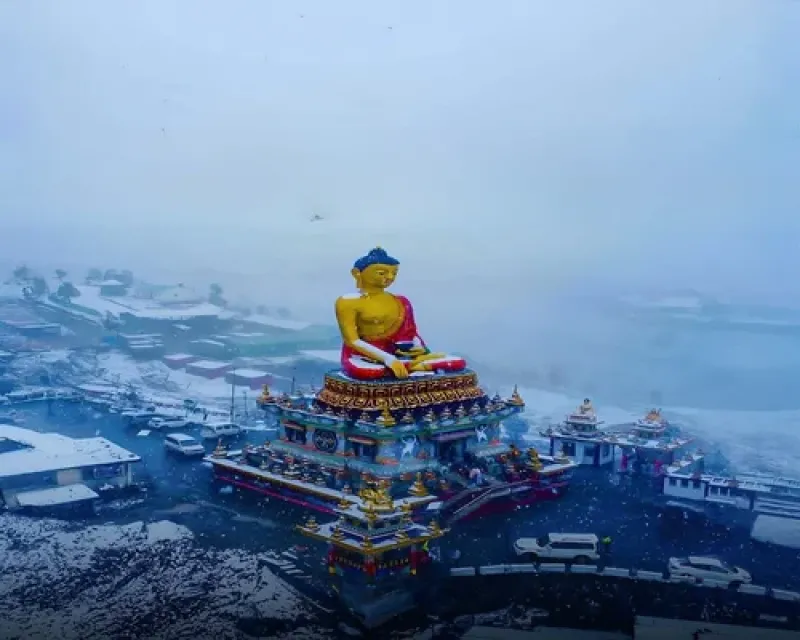
4. Buddha Vihar
The golden-roofed Buddhist monastery sits on elevated ground overlooking parts of the city.
Early evening tends to be the best time because the surroundings become calmer and the lighting softens.
Entry Fee: Free
Time Needed: 45 Minutes
Best Time: Evening
5. Indira Gandhi Park
A simple but pleasant stop for families.
The park becomes busiest after school hours, while mornings feel much quieter.
Entry Fee: Free
Time Needed: 30–45 Minutes
Best Time: Morning
6. Gompa Buddhist Temple
This peaceful monastery offers a slower atmosphere compared to busier sightseeing spots.
Many people stop for a quick photo and leave, but staying a little longer often reveals a completely different side of the place.
Entry Fee: Free
Time Needed: 30 Minutes
Best Time: Morning
7. Itanagar Wildlife Sanctuary
The sanctuary covers a large forest area surrounding parts of the city.
It is less about spotting wildlife instantly and more about enjoying forest landscapes and nature walks.
Entry Fee: Varies
Time Needed: 2–3 Hours
Best Time: October to March
8. Craft Centre and Emporium
One of the better places to understand local craftsmanship.
Traditional textiles, bamboo products, and handmade items provide a glimpse into local culture.
Entry Fee: Free
Time Needed: 30–45 Minutes
Best Time: Afternoon
Things to Do in Itanagar
Start your day at Ganga Lake before the crowds arrive.
Spend time walking through the museum instead of rushing directly to photo spots.
Visit Buddha Vihar around sunset when the city lights slowly begin appearing below.
Browse local handicraft shops and speak with artisans about traditional designs.
Try local Arunachali cuisine rather than sticking entirely to standard restaurant menus.
Keep one evening free for exploring local markets. That's often where visitors get a better feel for everyday life in Itanagar.
Itanagar Sightseeing Overview
Most people reach Itanagar expecting to finish the city in a few hours.
That usually changes once they start moving around.
The attractions are not packed into one market area or a single tourist zone. A lake sits on one side of the city, a monastery on another, and heritage sites are spread in between. The drives aren't long, but rushing through them often makes the day feel like a checklist.
A better approach is to keep the indoor places for late morning and save the open spaces for later in the day.
By afternoon, Ganga Lake feels cooler than the city roads. Around sunset, Buddha Vihar becomes quieter as local traffic starts fading.
Most visitors don't run out of places to see in Itanagar.
They run out of time because they underestimate how often they'll stop for photos, viewpoints, tea breaks, or simply to take in the surroundings.
2 Day Itanagar Sightseeing Itinerary
Day 1 – History, Culture & Local Corners
Morning
Arrive in Itanagar and settle into your hotel.
Start with Ita Fort before the temperature rises. Most people spend less than twenty minutes here, but taking a slow walk around the remaining walls gives a better sense of why the city grew around this site.
Continue to the Jawaharlal Nehru State Museum.
Many travelers skip it thinking it's just another museum stop. In reality, it helps make sense of the traditions, tribes, and communities you'll keep hearing about throughout Arunachal Pradesh.
Afternoon
Stop for lunch at a local restaurant.
Afterward, visit the Craft Centre and Emporium.
Unlike souvenir shops found in many destinations, this is one of the few places where you can actually see regional craftsmanship without leaving the city.
Later, spend some time at Indira Gandhi Park.
No major attraction. No long checklist.
Just a quieter break before the evening.
Evening
Head towards Buddha Vihar.
The experience changes noticeably after 5 PM when the light softens and the city below begins to glow.
Finish the day with a walk through local markets where everyday life feels more interesting than many sightseeing spots.
Return to your hotel for an overnight stay.
Day 2 – Lakes, Forests & Slower Experiences
Morning
Reach Ganga Lake early.
This is when the area feels most peaceful.
The water stays calmer, fewer visitors are around, and the surrounding forest is still waking up.
Spend some time walking rather than rushing back to the vehicle immediately.
Most people leave too quickly.
Afternoon
Visit Gompa Buddhist Temple.
The structure itself is beautiful, but what stays with many visitors is the atmosphere rather than the architecture.
Later, continue exploring lesser-known corners of the city, viewpoints, local cafés, or nearby nature spots depending on your pace.
Evening
Depart from Itanagar or continue your journey towards Ziro Valley, Bhalukpong, or Tawang.
Need a Personalized Itinerary?
The difference between a good trip and a tiring one is usually not the destination.
It's the order of places, hotel location, and how much you try to fit into a single day.
We'll help you plan that before you book anything.
What's Included In This Itanagar Sightseeing Package
-
Hotel accommodation
-
Daily breakfast
-
Private or shared local transport
-
Pickup assistance
-
Sightseeing coordination
-
Personalized itinerary planning
Many travel packages stop after confirming your hotel.
We help decide where staying actually makes sense based on your arrival point, sightseeing route, and onward travel plans.
What's Not Included
-
Monument and attraction entry tickets
-
Personal shopping expenses
-
Lunch and dinner
-
Travel insurance
-
Activities not mentioned in the itinerary
-
Additional sightseeing requests during the trip
Itanagar Package Cost Breakdown
Budget Package
₹3,500 – ₹6,500 Per Person
A straightforward option for travelers who want clean accommodation, local sightseeing, and a practical trip without spending heavily.
Mid-Range Package
₹7,000 – ₹12,000 Per Person
Usually includes better-located hotels, private transport, and enough flexibility to avoid rushing through the day.
Premium Package
₹15,000+ Per Person
More comfortable stays, dedicated vehicles, upgraded rooms, and room for customization.
What Changes The Price?
The biggest factor is often the hotel.
Travel season also matters.
December holiday traffic pushes rates higher, while monsoon months generally bring lower prices.
Vehicle type, group size, and booking timing also influence the final package cost.
Get Your Exact Itanagar Trip Cost
Tell us your travel dates and budget range.
We'll suggest what actually fits rather than forcing you into a package category.
Who This Package Is Perfect For
Couples
A slow morning around Ganga Lake and an evening visit to Buddha Vihar often feel more memorable than trying to cover ten attractions in a day.
Families
Most places can be explored without long walks, steep climbs, or spending the entire day on the move.
Children and older family members can comfortably enjoy the trip together.
First-Time Arunachal Pradesh Travelers
Many people use Itanagar as the starting point before heading deeper into Arunachal Pradesh.
It helps ease into the pace of the region before longer mountain drives begin.
Slow Travelers
If your idea of a good trip includes spending forty minutes somewhere instead of four, this itinerary will probably suit you better.
Why Choose This Package
Because timing changes everything.
Ganga Lake at 8 AM feels different from Ganga Lake at noon.
A cheaper hotel on the edge of the city can end up costing you more time every day than you expect.
A realistic itinerary always beats an overloaded one.
We've seen travelers spend half a day travelling back and forth simply because the route wasn't planned properly.
That's what we help avoid.
We don't just tell you what to see.
We help decide when to see it.
Where To Stay In Itanagar
Near The City Centre
Best for travelers who want restaurants, cafés, markets, and transport options within walking or short driving distance.
Expect more activity throughout the day.
Near Ganga Lake Area
The surroundings feel greener and quieter.
Good for people who don't mind being slightly away from the busy parts of the city.
Near Hollongi Airport Route
Makes sense for late-night arrivals, early departures, or travelers continuing towards other parts of Arunachal Pradesh.
Places To Visit Near Itanagar
Ziro Valley
One of the most popular extensions from Itanagar.
The journey takes longer than many first-time visitors expect, but the landscapes and Apatani villages make the drive worthwhile.
Doimukh
A smaller town where the pace slows down noticeably compared to the capital.
Nirjuli
Known more for daily local life than tourism, but useful for travelers exploring nearby areas.
Bhalukpong
A common stop for people entering western Arunachal Pradesh.
The riverside setting feels completely different from Itanagar.
Nameri National Park
Across the Assam border, known for wildlife, rafting, and forest experiences.
Pasighat
Older than most towns in the state and increasingly attracting travelers looking for less-crowded destinations.
Best Time To Visit Itanagar
October To February
The most comfortable months for sightseeing.
Clear skies, cooler temperatures, and easier road conditions make this the busiest period of the year.
Hotel prices often rise around Christmas and New Year.
March To April
Still pleasant without the holiday-season crowds.
Many travelers prefer this period because accommodation rates are usually lower.
May To September
Rain becomes part of the trip.
The hills turn greener and the city looks fresher, but occasional delays are common.
The upside is lower hotel prices and fewer tourists.
Travel Tips
-
Start sightseeing before 9 AM.
-
Carry a light jacket during winter months.
-
Keep extra time between sightseeing stops.
-
Download maps before leaving your hotel.
-
Carry some cash for local shops.
-
Don't rely entirely on travel times shown on navigation apps.
Mistakes To Avoid
Trying to visit Itanagar and Ziro Valley on the same day.
Booking the cheapest hotel without checking where it's actually located.
Skipping Ganga Lake because it seems ordinary in photographs.
Packing every attraction into one afternoon.
Ignoring weather forecasts during monsoon travel.
Most travelers don't regret missing a place.
They regret rushing through five places and remembering none of them.
Plan Your Itanagar Sightseeing Package
Most disappointing trips begin with good intentions.
People try fitting too much into too little time.
They choose a hotel because it's cheaper, not because it's convenient.
They underestimate road timings.
Then the itinerary starts falling apart.
A better plan usually fixes all of that before the trip even begins.
Share your travel dates, budget, and travel style.
We'll help you figure out the right hotel area, sightseeing order, realistic timings, and expected cost.
Because planning the destination is easy.
Planning the experience is where most people get stuck.
Top Destinations