About Uttar Pradesh
Tourist Places in Uttar Pradesh: Best Places to Visit, Trip Plan & Cost
Most people come to Uttar Pradesh for a single destination.
Usually Agra.
Then they realize the state is much larger and more varied than expected.
A sunrise on the ghats of Varanasi feels completely different from an evening beside the Sarayu River in Ayodhya. Lucknow moves at its own pace, where old markets and Nawabi architecture sit alongside modern streets. Mathura and Vrindavan revolve around devotion, while Dudhwa offers forests and wildlife far from the state's crowded pilgrimage routes.
Finding tourist places in Uttar Pradesh is easy.
Planning them in the right order is where most trips become complicated.
Many travelers try to combine Agra, Varanasi, Ayodhya, Lucknow, and Mathura in a few days. The result is often more time spent moving between cities than actually experiencing them.
A better Uttar Pradesh trip is built around realistic travel times, sensible routing, and enough flexibility to enjoy each destination without rushing.
If you want a customized Uttar Pradesh itinerary based on your dates, budget, and travel style, we can help you plan one.
Quick Snapshot
Why Visit Uttar Pradesh
Uttar Pradesh is one of the few states where a single trip can include Mughal architecture, sacred rivers, ancient temples, wildlife reserves, and centuries of living history.
The experience changes quickly from one city to another.
Agra revolves around monuments built during the Mughal era. Varanasi follows the rhythm of the Ganges. Ayodhya centers around pilgrimage and faith. Lucknow combines food, culture, and architecture. Mathura and Vrindavan carry stories connected to Lord Krishna, while Prayagraj remains one of India's most important religious gathering points.
What makes Uttar Pradesh tourism interesting is not one attraction.
It is the contrast between them.
Best Places to Visit in Uttar Pradesh
1. Agra
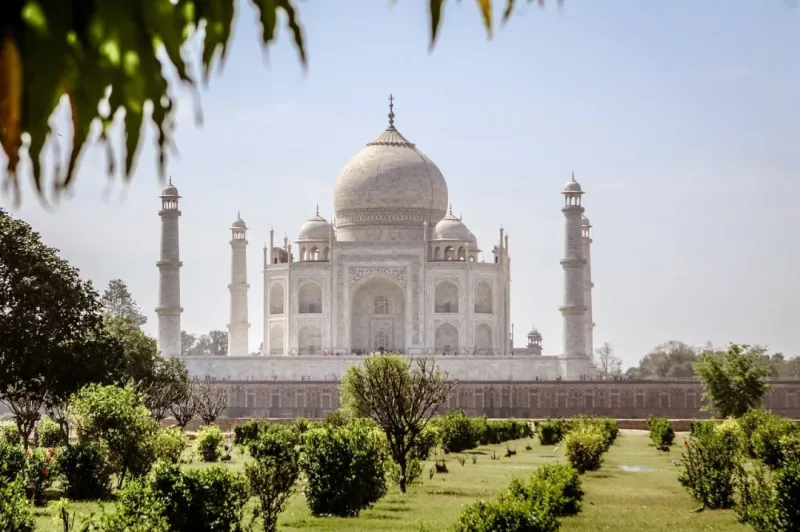
Most visitors arrive with the Taj Mahal in mind, but Agra rewards travelers who spend more than a few hours here. Early morning changes the atmosphere completely. The marble appears softer in the first light, and the gardens remain quieter before the crowds arrive. Agra Fort often surprises visitors because of its scale, river views, and historical significance.
Entry Fee: ₹50–₹250+
Time Needed: 1 Full Day
Best Time: October to March
Top Attractions
-
Taj Mahal
-
Agra Fort
-
Mehtab Bagh
-
Itmad-ud-Daulah
2. Varanasi
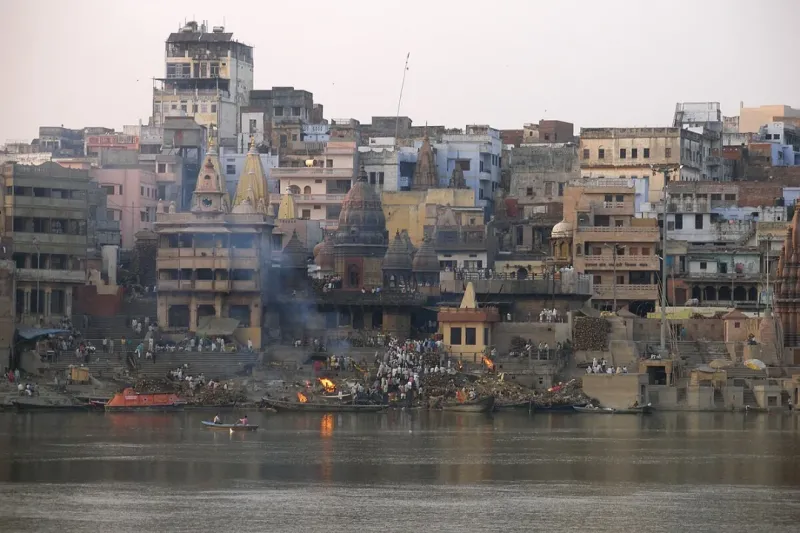
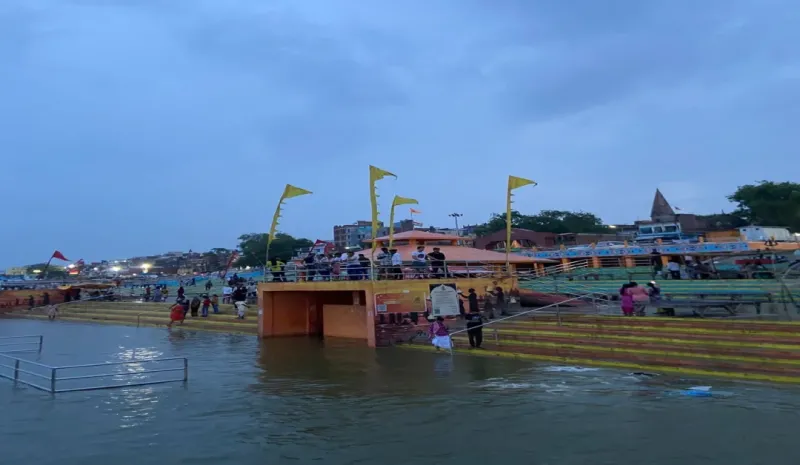
Varanasi feels different depending on the hour. Before sunrise, boatmen prepare along the ghats while pilgrims gather near the water. By sunset, people slowly begin gathering along the ghats, waiting for the lamps, chants, and evening Ganga Aarti to begin. The narrow lanes surrounding Kashi Vishwanath Temple often become just as memorable as the major landmarks themselves.
Time Needed: 1–2 Days
Best Time: October to March
Top Attractions
-
Kashi Vishwanath Temple
-
Dashashwamedh Ghat
-
Assi Ghat
-
Sarnath
3. Ayodhya
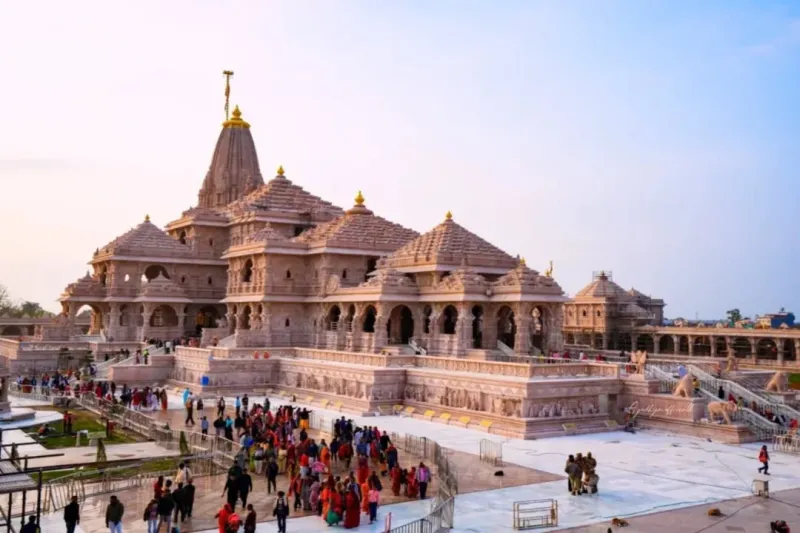
In recent years, Ayodhya has seen a steady rise in visitors arriving for both pilgrimage and sightseeing. While the temples draw the largest crowds, many visitors remember the quieter moments along the Sarayu River. Early mornings and evenings usually offer a calmer experience compared to the busiest pilgrimage hours.
Time Needed: 1 Day
Best Time: October to March
Top Attractions
-
Ram Mandir
-
Hanuman Garhi
-
Kanak Bhawan
-
Sarayu Ghat
4. Lucknow
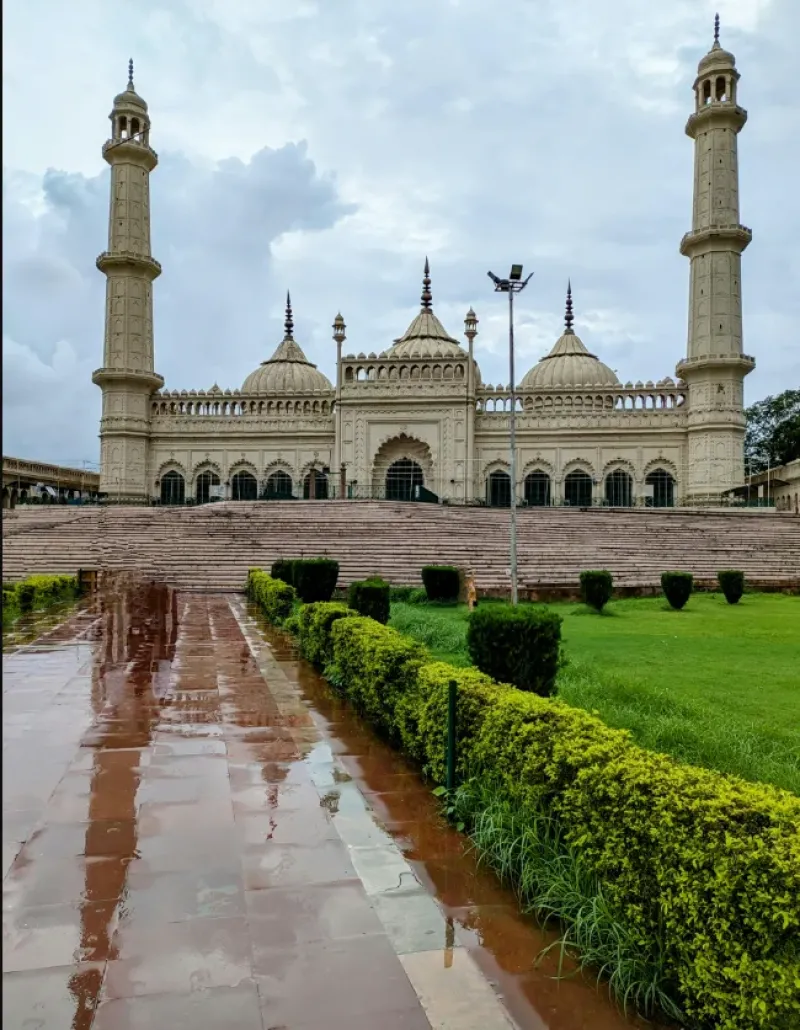
Lucknow works best when explored slowly. The city is known for monuments, but its markets, food streets, and old neighborhoods often leave a stronger impression. The areas around Chowk and Hazratganj reveal a side of Lucknow that many day-trippers miss.
Time Needed: 1–2 Days
Best Time: October to March
Top Attractions
-
Bara Imambara
-
Chota Imambara
-
Rumi Darwaza
-
Hazratganj
5. Prayagraj
Most travelers know Prayagraj because of the Sangam and Kumbh Mela. Outside festival periods, the city feels far more relaxed. Most visitors come for the Sangam, but spending a few extra hours in the city usually reveals a quieter side of Prayagraj that many travelers overlook.
Time Needed: 1 Day
Top Attractions
-
Triveni Sangam
-
Anand Bhavan
-
Allahabad Fort
-
Khusro Bagh
6. Mathura
Mathura attracts visitors throughout the year, but the atmosphere shifts dramatically during religious festivals. Beyond the temple complexes, the city offers ghats, local markets, and centuries-old traditions that remain part of everyday life.
Time Needed: Half Day to Full Day
Top Attractions
-
Krishna Janmabhoomi
-
Dwarkadhish Temple
-
Vishram Ghat
7. Vrindavan
Vrindavan is closely connected with Mathura but has its own character. Temple bells, devotional music, and constant movement shape much of the town. Early morning visits often feel more peaceful before the larger crowds arrive.
Time Needed: Full Day
Top Attractions
-
Prem Mandir
-
Banke Bihari Temple
-
ISKCON Temple
-
Nidhivan
8. Fatehpur Sikri
Built by Emperor Akbar, Fatehpur Sikri remains one of the most remarkable heritage sites in Uttar Pradesh. The courtyards, gateways, and palaces spread across a large complex, making it worth more than a quick photo stop on the way to Agra.
Time Needed: Half Day
Top Attractions
-
Buland Darwaza
-
Panch Mahal
-
Jama Masjid
-
Diwan-i-Khas
9. Chitrakoot
Chitrakoot feels noticeably quieter than Uttar Pradesh's larger pilgrimage centers. The riverside ghats, temples, and forest surroundings create a slower pace that appeals to travelers looking for a more relaxed spiritual destination.
Time Needed: 1 Day
Top Attractions
-
Ram Ghat
-
Gupt Godavari
-
Kamadgiri
-
Bharat Milap Temple
10. Dudhwa National Park
Dudhwa offers a completely different side of Uttar Pradesh. The park is known for grasslands, wetlands, birdlife, and tiger habitat.Some safari drives are quiet, others are rewarding. Either way, the forests, grasslands, and wetlands make the journey worthwhile.
Time Needed: 1–2 Days
Best Time: November to April
Top Attractions
-
Tiger Safaris
-
Rhino Area
-
Bird Watching Zones
-
Wetland Trails
Things to Do in Uttar Pradesh
Watch sunrise from a boat in Varanasi before the city becomes busy.
Spend time exploring Agra Fort instead of rushing straight from the Taj Mahal to the next destination.
Attend the evening Sarayu Aarti in Ayodhya and stay long enough to see the riverfront change after sunset.
Walk through Lucknow's old neighborhoods where food stalls, markets, and historic buildings sit side by side.
Visit Mathura and Vrindavan early in the day when temple queues are shorter and the streets move at a gentler pace.
Take a winter safari in Dudhwa National Park when wildlife activity is generally higher.
Uttar Pradesh Sightseeing Overview
Most Uttar Pradesh sightseeing plans become exhausting because travelers underestimate travel times.
Agra, Mathura, and Vrindavan work well together.
Lucknow and Ayodhya form another comfortable combination.
Trying to connect all major destinations in three or four days usually means spending most of the trip on highways, trains, or airport transfers.
A better approach is to focus on one region at a time.
4 Day Uttar Pradesh Itinerary
Day 1 – Agra
Morning: Taj Mahal
Afternoon: Agra Fort
Evening: Mehtab Bagh and local market walk
Day 2 – Mathura & Vrindavan
Morning: Krishna Janmabhoomi
Afternoon: Dwarkadhish Temple and Vishram Ghat
Evening: Prem Mandir and Banke Bihari Temple
Day 3 – Lucknow
Morning: Bara Imambara
Afternoon: Rumi Darwaza and Chota Imambara
Evening: Hazratganj and local food trail
Day 4 – Ayodhya
Morning: Ram Mandir
Afternoon: Hanuman Garhi and Kanak Bhawan
Evening: Sarayu Aarti
What's Included in This Uttar Pradesh Tour Package
Stay
Accommodation options range from simple city hotels to comfortable heritage stays and premium properties, depending on your budget and travel style.
Meals
Daily breakfast included.
Transport
Private cab or customized transfers throughout the trip.
Sightseeing
Major attractions according to the selected itinerary.
Planning Support
Route guidance, hotel recommendations, and travel assistance.
We build itineraries around realistic travel times rather than trying to fit every destination into the same schedule.
What's NOT Included
Temple donations or special pooja charges
Personal expenses
Travel insurance
Lunch and dinner unless mentioned
Optional activity upgrades
Additional sightseeing outside the selected itinerary
Sample Uttar Pradesh Tour Plan
Day 1: Agra arrival → Taj Mahal → Agra Fort → Mehtab Bagh
Day 2: Mathura → Vrindavan → Overnight stay
Day 3: Lucknow sightseeing → Hazratganj
Day 4: Ayodhya → Sarayu Aarti → Departure
Uttar Pradesh Trip Cost Breakdown
Budget trips usually range between ₹6,000 and ₹10,000 per person. These include standard hotels, basic transport, and essential sightseeing.
Mid-range packages fall between ₹12,000 and ₹20,000 per person. Travelers get better-located hotels, private transport, and a more flexible schedule.
Premium trips generally start from ₹22,000 per person and can exceed ₹30,000 depending on hotel category, transport, and season.
What Changes the Cost?
Travel season
Hotel category
Private versus shared transport
Festival periods
Number of cities covered
Length of stay
Peak periods such as Diwali, Holi, New Year, and major religious events often increase hotel prices significantly.
Who This Uttar Pradesh Package Is Perfect For
Families
The route combines heritage, culture, temples, and comfortable city stays without requiring long treks or physically demanding activities.
Couples
Sunrise at the Taj Mahal, riverside evenings in Varanasi, and heritage walks in Lucknow create a balanced itinerary.
Pilgrims
Ayodhya, Mathura, Vrindavan, Prayagraj, and Varanasi can be combined into a dedicated spiritual circuit.
First-Time Visitors
The itinerary covers the state's most famous destinations without becoming unnecessarily rushed.
Best Time to Visit Uttar Pradesh
October to March
This is the most comfortable period for sightseeing. Temperatures remain pleasant, and major attractions are fully accessible.
April to June
Summer brings intense daytime temperatures, particularly in Agra, Lucknow, and Prayagraj.
July to September
The monsoon season adds greenery across many parts of the state. Crowds are smaller, though occasional rainfall can affect travel plans.
Winter Travel
December and January are particularly popular because outdoor sightseeing becomes easier throughout the day.
Travel Tips
Start Taj Mahal visits early in the morning.
Keep an extra buffer day when covering multiple cities.
Book accommodation in advance during festival seasons.
Carry comfortable footwear for temple and heritage walks.
If you're planning a sunrise boat ride in Varanasi, arrange it the previous evening instead of searching for one at the last minute.
Mistakes to Avoid
Trying to cover Agra, Lucknow, Ayodhya, and Varanasi in a single weekend.
Treating Agra as only a Taj Mahal stop.
Ignoring travel time between major cities.
Visiting during peak festivals without accommodation bookings.
Packing every sightseeing attraction into one day.
Get Your Uttar Pradesh Trip Cost in 15 Minutes
Most Uttar Pradesh trips become stressful because the route looks easier on a map than it feels in reality.
A better plan starts with your travel dates, budget, and preferred destinations.
Share:
Travel dates
Number of travelers
Budget range
Preferred destinations
You'll receive:
A realistic trip cost estimate
Hotel recommendations
A practical day-by-day itinerary
Clear package inclusions
Travel timing guidance
We'll help you choose the right route, realistic pacing, and suitable stays before you book anything.
Top Destinations In Uttar Pradesh