Safed Baradari
- Attraction
- Price: Free
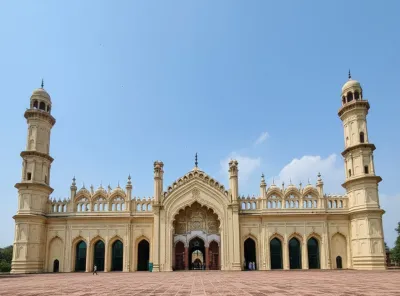
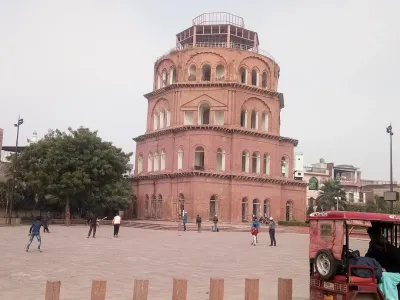
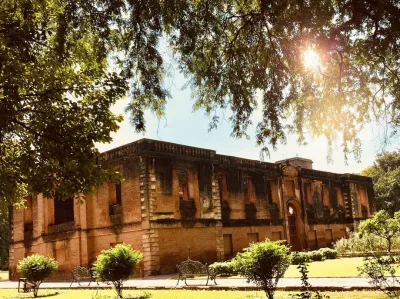
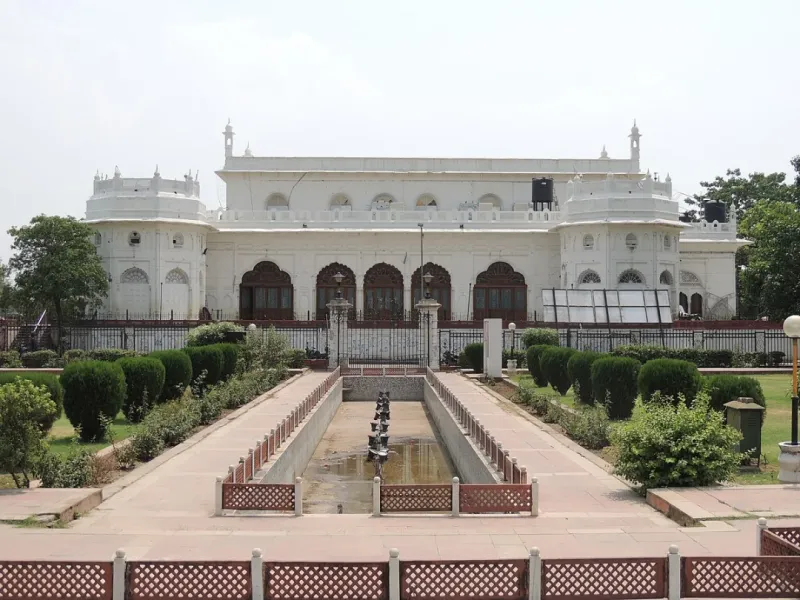
Safed Baradari is a beautiful historical monument located in the Qaiserbagh area of Lucknow and is an important example of the city’s Nawabi-era architecture. The name “Safed Baradari” literally means “White Pavilion”, referring to its elegant white plastered exterior. It was built in 1854 by Nawab Wajid Ali Shah, the last Nawab of Awadh, and reflects his love for art, culture, and music.
Originally, Safed Baradari served as a royal court hall where the Nawab held meetings, gatherings, and cultural events. It later became the site where Nawab Wajid Ali Shah was tried by the British, making it historically significant in the context of Awadh’s annexation. Over time, the building also functioned as a courthouse, adding another layer to its colonial history.
Architecturally, Safed Baradari is an excellent blend of Indo-European styles. The structure features arched verandas on all sides, tall pillars, high ceilings, and spacious halls that allow ample light and ventilation. The symmetrical design and clean white appearance give the monument a calm and graceful look. The open pavilion-style layout makes it stand out among Lucknow’s many historical buildings.
Today, Safed Baradari is used for cultural programs, exhibitions, and public events, which keeps its historical charm alive while giving it a modern role. The surrounding gardens and open spaces make it a peaceful spot for visitors interested in heritage and architecture.
Safed Baradari is not a religious place but a historical and cultural attraction. It represents Lucknow’s refined Nawabi culture and its transition into the colonial era. For history lovers and architecture enthusiasts, Safed Baradari offers a quiet yet meaningful glimpse into the city’s past.