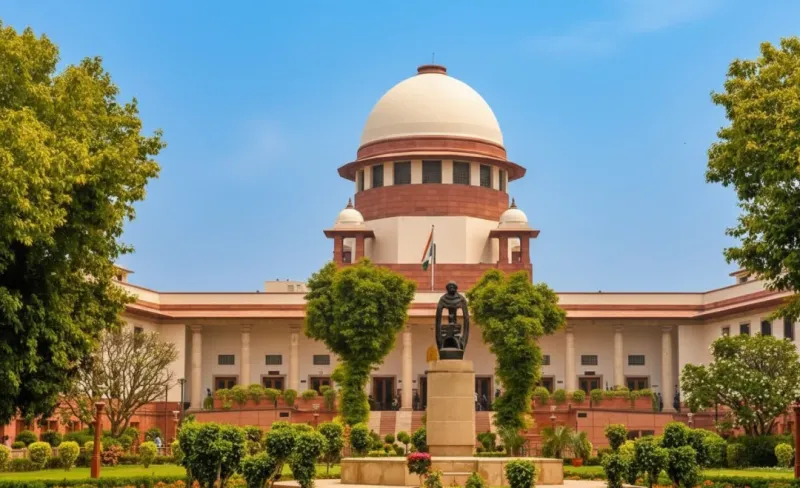
Supreme Court
- Attraction
- Price: Free
The Supreme Court of India, located in New Delhi, is the highest judicial authority in the country and serves as the final court of appeal for all legal matters. Established on 28 January 1950, just two days after India became a republic, the Supreme Court plays a crucial role in upholding the Constitution, protecting fundamental rights, and ensuring justice for every citizen. Its authority and dignity make it one of the most important institutions in the Indian democratic framework.
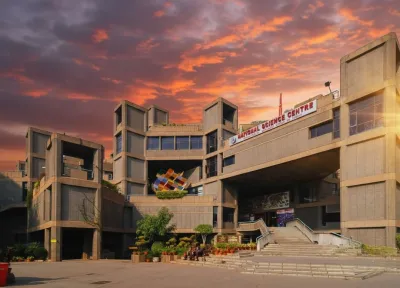
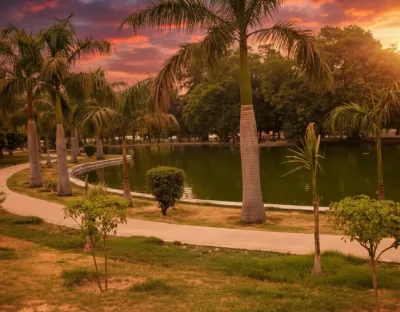
The building of the Supreme Court is an impressive example of modern Indian architecture. Designed by Ganesh Bhikaji Deolalikar, it resembles the shape of a balanced scale, symbolising fairness and equality in the justice system. The central dome represents the main judicial wing, while the two lateral wings signify the two scales of justice. Surrounded by neat lawns, fountains, and a secure environment, the complex reflects discipline, order, and the solemnity of the judiciary.
Inside, the Supreme Court houses multiple courtrooms, judges’ chambers, legal libraries, and administrative sections. The Court functions with a Chief Justice of India and several judges who handle constitutional matters, appeals, and cases of national importance. Many landmark judgments that shaped India’s social, political, and economic structure have been delivered here, making it a place of great historical significance.
Though it is not a typical tourist attraction, the Supreme Court is often admired from the outside for its architectural beauty and importance in the nation’s governance. Entry inside requires prior permission and is usually limited to lawyers, litigants, or individuals with official passes.
To citizens, students, and anyone interested in Indian democracy, the Supreme Court stands as a powerful symbol of justice, constitutional values, and the rule of law. It continues to guide the country with fairness, wisdom, and integrity.