Best Time to Visit Kasol - Season-Wise Guide 2026
Best Season to Visit Kasol – Complete Travel Guide 2025
Introduction
Kasol doesn’t hit you instantly. Kasol is one of the most popular backpacking destinations in Himachal Pradesh.
You reach after that long drive via Bhuntar, stretch your legs near the Parvati River, and for a moment it feels… normal.
Then something shifts. This route is part of the wider Himachal Pradesh travel circuit, which connects many mountain destinations.
You slow down. You stop checking time. You sit longer than planned.
That’s when Kasol starts making sense.
And honestly, the best time to visit Kasol isn’t just about weather — it’s about what kind of version of Kasol you want to experience.
Where is Kasol Located?
Kasol is a small village in the Parvati Valley of Himachal Pradesh.
-
Altitude: ~1580 meters
-
District: Kullu
-
Close to: Bhuntar & Manikaran
It falls under the scenic Kullu district, which is known for its valleys and river-side towns.
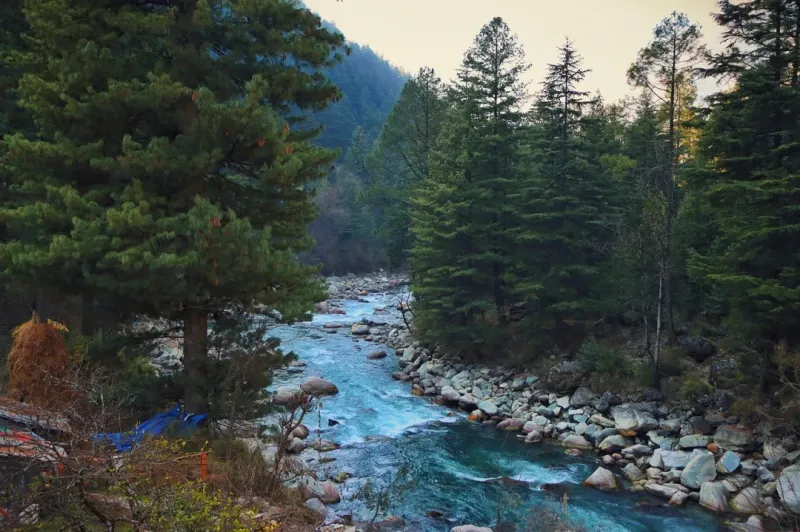
If you're trying to place it on a map, it sits quietly along the Parvati River, surrounded by forests and steep mountain walls.
Kasol Weather Overview (Quick Table)
Best Time to Visit Kasol (Quick Answer)
-
Most comfortable months: March to June
-
For snow around Kasol: January to February
-
For fewer crowds: October
If you’re planning without overthinking — summer is the safest bet.
Kasol in Summer (March to June)
By April, Kasol starts waking up.
Cafés slowly fill, music drifts out into narrow lanes, and evenings stretch longer than you expect. You’ll see people sitting by the river doing absolutely nothing—and somehow enjoying it.
-
Roads are clear and reliable
-
Treks like Kheerganga are fully open
-
Nights feel cool, not cold
Temperatures in peak summer usually stay between 20°C to 30°C during the day.
If you're planning your first trip, this is easily the most comfortable window.
Why this season works so well:
-
Everything is open and functioning
-
Easy to explore without weather stress
-
Good mix of crowd + energy
Many travelers also plan visits around the Best Time to Visit Manali during the same season.
Kasol in Monsoon (July to September)
Rain changes the mood completely.
The sound of the Parvati River gets louder, clouds sit lower, and everything looks greener—but also a bit uncertain.
-
Sudden downpours are common
-
Roads can get blocked temporarily
-
Treks become slippery
For a similar peaceful monsoon experience, see Things to Do in Jibhi.
Weather in Kasol during July and August is unpredictable. You might wake up to clear skies and end up stuck in rain by afternoon.
Reality check:
If you're someone who needs fixed plans and smooth travel, this season can frustrate you.
But if you’re okay slowing down, staying indoors, and just listening to rain—it can feel surprisingly peaceful.
Kasol in Winter (October to February)
Winter makes Kasol quieter.
Mornings feel slow, cafés are less crowded, and nights get properly cold. It’s not empty—but it feels more personal.
-
October brings clear skies and crisp air
-
November starts getting colder
-
December to January is peak winter
Snowfall reality:
If you're expecting heavy snow like Manali, you might be disappointed. Kasol itself usually gets light or no snowfall.
For proper snow, most people head to nearby villages like Tosh.
This route is part of the Chalal Trek Trail experience.
Best time for snow experience nearby: January
For better snowfall experience, check Snowfall Season in Manali.
Month-Wise Kasol Experience (Real Feel)
-
March: Slight chill in mornings, fresh start to season
-
April: Balanced weather, probably the best overall month
-
May: Busy but energetic
-
June: Slightly crowded, still enjoyable
-
July: Rain starts interfering with plans
-
August: Peak monsoon, travel gets tricky
-
September: Lush greenery, fewer rains
-
October: Clean air, clear views, underrated
-
November: Calm, slow, slightly cold
-
December: Winter begins, cozy cafés
-
January: Coldest period, snow nearby
-
February: Quiet and cold, fewer travelers
This is also a great time for Best Places to Trek in Himachal Pradesh.
What to Expect in Kasol (Real Experience)
Kasol isn’t built for sightseeing.
It’s built for slowing down.
-
Sitting by the river early morning when mist is still rising
-
Walking without knowing where you’re going
-
Finding a café and not leaving for hours
And depending on when you visit:
-
Summer feels social
-
Winter feels personal
-
Monsoon feels raw
How to Reach Kasol (Complete Guide)
By Air
Nearest airport: Bhuntar (~30 km)
By Train
There is no direct railway station in Kasol
Closest option: Joginder Nagar (not very practical)
By Road
Delhi → Bhuntar → Kasol (most common route)
Overnight buses are easily available
Road travel is what most people rely on.
Things to Do in Kasol (Upgraded Experience)
-
Walk along the Parvati River early morning when it’s quiet and slightly misty
-
Sit in a riverside café during sunset and just observe the slow pace
-
Trek to Kheerganga — many travelers combine Kasol with this
Kasol is often used as base in the Kasol Tour Guide itinerary. -
Visit Manikaran Sahib for a short spiritual break
-
Explore Chalal village for a quieter alternative
A short scenic walk is the Chalal Trek Trail.
If you're comparing places, many people combine this trip with Manali or nearby villages for a fuller experience.
Travel Tips (Practical + Honest)
-
Don’t over-plan your days
-
Carry some cash (ATMs aren’t always reliable)
-
Keep 1 buffer day for weather delays
-
Avoid late-night travel during monsoon
-
Pack layers even in summer (evenings get cool)
Where to Stay in Kasol (Real Advice)
Most people rush Kasol in one day.
That’s a mistake.
Staying overnight changes the entire experience.
-
Riverside stays feel calmer
-
Chalal is quieter than main Kasol
-
Tosh gives better views but colder weather
Stay at least 2–3 nights to actually feel the place.
Who Should Visit Kasol When? (Quick Clarity)
-
First-time travelers → March to June (easy, comfortable)
-
Peace seekers → October to November (less crowd, calm vibe)
-
Snow lovers → January (with realistic expectations)
-
Budget travelers → Monsoon (cheaper, but risky)
Best Season for Kasol (Final Clarity)
-
Best overall season: Summer
-
Best time for snow nearby: January
-
Best time for fewer crowds: Autumn (Oct–Nov)
-
Least ideal time: Peak monsoon
Closing Thought
Kasol doesn’t give you a checklist.
It gives you space.
And depending on when you go, that space either feels alive…
or completely your own.
For complete planning, see Himachal Pradesh Travel Guide.