About Kullu
Kullu Tour Package: Places to Visit, Trip Plan & Cost
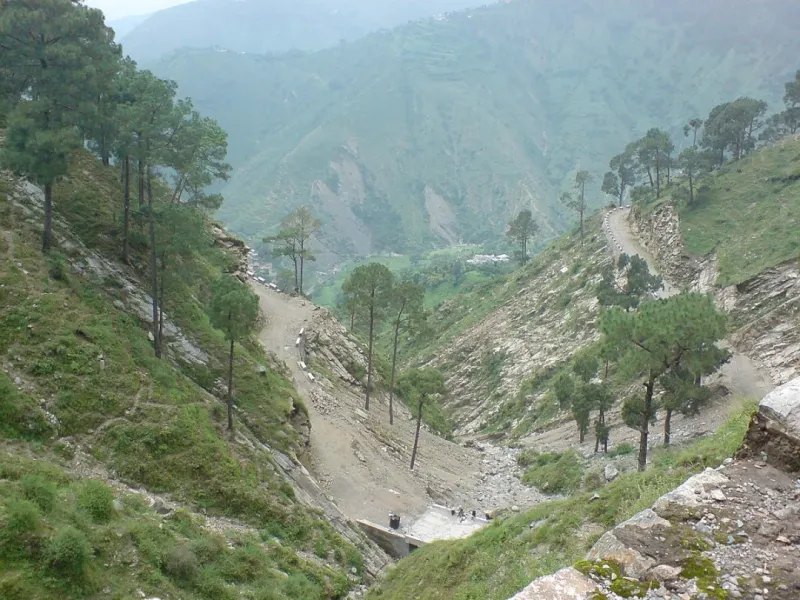
The road from Kullu town toward Manali runs along the Beas River, but the real Kullu experience starts when you turn away from the highway. The valley widens into terraced fields, deodar forests press down from the ridges, and the air carries a different weight than the plains.
Most people speed through Kullu on their way to Manali or Solang. They stop at a few kullu tourist places near the main road, take photos, and keep driving. That approach misses the slower rhythm that makes a Kullu tour package worth booking in the first place.
The valley works better when you stay two full days and move at the pace of the river. Whether you are looking for places to visit in Kullu during autumn apple season or planning a kullu sightseeing itinerary in early summer, the timing changes what you see more than most travelers expect.
Quick Snapshot
Why Visit Kullu
Kullu does not feel like a single town. It is a stretch of valley with scattered villages, temple clusters, and forest patches that change character every few kilometers. The main market area stays functional rather than pretty, but the surroundings make up for it.
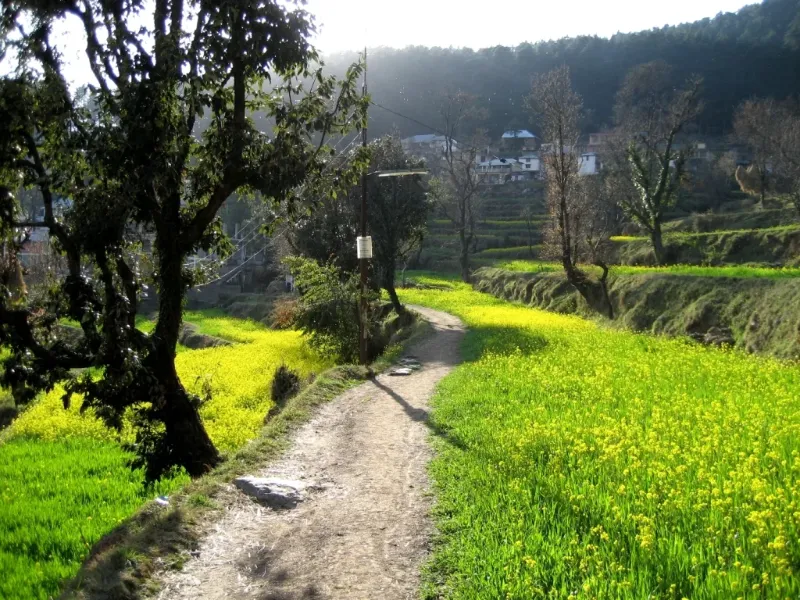
What justifies the trip is the contrast between the busy highway corridor and the quiet hamlets just ten minutes uphill. In October, the apple orchards near Naggar and Raison smell like ripe fruit and wood smoke. By April, the same slopes turn green with wheat and barley fields.
Best Places to Visit in Kullu
1. Raghunath Temple
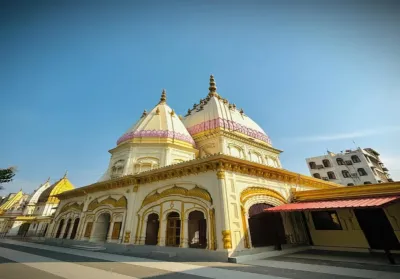
The main temple in Kullu town sits above the busy market. Most visitors spend ten minutes inside and leave. The better approach is to arrive around 7 AM when the morning prayers happen and the courtyard stays quiet. The building itself draws attention, but it's the combination of traditional wooden craftsmanship and the views stretching across the valley that leave a stronger impression.
Entry Fee: Free
Time Needed: 45 minutes to 1 hour
Best Time: Early morning, year-round
2. Great Himalayan National Park
A UNESCO site that starts near Sai Ropa. The entry point is not the park itself but a gateway to longer trails. Most travelers stop at the information center and turn back. If you walk even one kilometer inside, the deodar density changes and the river noise fades.
Entry Fee: ₹50–₹100 per person (Indian/Foreigner)
Time Needed: Half day for short trails, full day for deeper hikes
Best Time: April to June and September to November
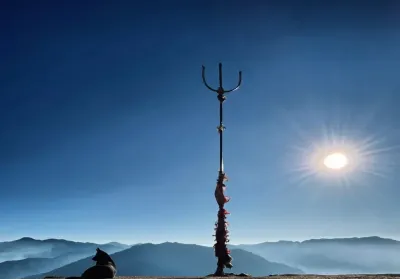
3. Bijli Mahadev Temple
The climb is steep. Most people underestimate the 3-kilometer uphill walk from the road. The temple sits at a height where the wind hits harder, and on clear days you see the entire central Kullu valley spread below. Local stories say the temple earned its name because the trident is known to attract lightning strikes during thunderstorms.
Entry Fee: Free
Time Needed: 3–4 hours including the trek
Best Time: March to June, September to November
4. Naggar Castle and Village
Naggar feels like a separate town even though it is technically part of the Kullu area. The castle sits on a ridge with views across to the Rohtang side. The village lanes below are narrow and still function as working neighborhoods rather than tourist sets. The Roerich Art Gallery nearby is small but worth the stop if you have time.
Entry Fee: ₹30–₹50 for the castle
Time Needed: 2–3 hours
Best Time: Year-round, but October is clearest
5. Raison and the riverside camps
Located between Kullu and Manali, Raison is where the valley narrows and the Beas runs faster. Most kullu sightseeing packages include this for riverside camping or rafting starts. The water stays cold even in summer, and the sound of the river dominates the evening.
Entry Fee: Free (camping/rafting costs separate)
Time Needed: 2–3 hours or overnight
Best Time: March to June
6. Kasol and Manikaran (Day extension)
Technically in Parvati Valley, but most local sightseeing in Kullu includes this as a second-day extension. The drive from Bhuntar to Kasol follows the Parvati River and feels different from the main Kullu valley. Manikaran's hot springs are functional rather than luxurious, but the setting is specific to this region.
Entry Fee: Free
Time Needed: Full day
Best Time: March to June, September to November
Things to Do in Kullu
Walk the apple orchard lanes near Naggar in October. The fruit is being harvested, and the ground smells of fallen apples. Most tourists do not stop here because it is not marked as a "sight."
Sit by the Beas River at Raison around 5 PM. The light changes fast in the valley, and the water color shifts from green to grey as the sun drops behind the ridge.
Drive the back road from Kullu to Naggar instead of the highway. The route passes through villages where the houses are built in traditional Kathkuni style. You will not see this architecture from the main road.
Visit the Great Himalayan National Park trailhead early.
Kullu Sightseeing Overview
Many kullu sightseeing itineraries fail because travelers treat the valley like a town rather than a spread-out region. The distance between Raghunath Temple and Naggar is about 25 kilometers. Adding Bijli Mahadev and a riverside stop into one afternoon usually feels rushed.
A better kullu sightseeing plan spreads these across two days or groups them by geography. The east side of the valley (Naggar, Raison) works as one day. The west side and uphill temples (Bijli Mahadev, GHNP entry) work as another.
For couples, the best places to visit in Kullu for couples are not the crowded highway stops but the orchard lanes and castle terraces during early hours.
2 Day Kullu Itinerary
Day 1 – Valley Temples and Riverside
Morning: Drive to Bijli Mahadev. The trek takes longer than expected, so start by 8 AM.
Afternoon: Return to Kullu town for lunch. Visit Raghunath Temple before the evening crowd.
Evening: Drive to Raison and enjoy a short riverside walk before check-in.
Day 2 – Naggar and the Upper Valley
Morning: Drive to Naggar Castle. Walk the village lanes below.
Late Morning: Visit the Roerich Art Gallery.
Afternoon: Stop at the Great Himalayan National Park entry point for a short trail walk.
Evening: Return to Kullu town or continue toward Manali.
Most people do not struggle with finding places to visit in Kullu. They struggle with fitting everything into one rushed day and ending up exhausted. If you want this paced properly with the right stops and stay, you can get a custom Kullu trip plan.
What's Included in This Kullu Tour Package
Stay: Hotels in Kullu town, Naggar, or riverside camps near Raison. Budget guesthouses to mid-range valley-view rooms.
Meals: Breakfast included. Dinner on select packages.
Transport: Bhuntar airport or Kullu bus stand pickup. Local Kullu sightseeing transport by private cab.
Activities: Temple visits, nature park entry, short trek coordination, riverside camping arrangements.
Planning Support: Route timing, weather guidance, hotel location advice.
We focus on building itineraries that match real travel conditions, road times, and your pace of travel, not simply forwarding a generic plan used for everyone.
What's NOT Included
-
Temple donations or special pooja fees
-
Adventure activity tickets (rafting, paragliding)
-
Personal expenses
-
Travel insurance
-
Lunch
-
Optional extensions to Manali or Kasol
Sample 2 Day Kullu Package Plan
Day 1: Bhuntar/Kullu arrival → Bijli Mahadev trek → Raghunath Temple → Raison riverside stay
Day 2: Naggar Castle → Village walk → Great Himalayan National Park entry → Return
Kullu Trip Cost Breakdown
Budget: ₹4,000 – ₹7,000 per person. Basic guesthouse in Kullu town, shared transport, standard sightseeing.
Mid-Range: ₹8,000 – ₹14,000 per person. Better hotel or riverside camp, private cab, flexible stops, breakfast included.
Premium: ₹16,000 – ₹20,000+ per person. Premium valley-facing stay, dedicated vehicle, all activities included, personalized timing.
What changes the cost most:
-
Travel month. October and May push hotel rates up by 30 to 50 percent.
-
Hotel location. Naggar or riverside properties cost more than Kullu town options.
-
Private vs shared transport.
-
Activity inclusions like rafting or guided treks.
Not sure whether your Kullu trip should focus on temples, trekking, or a relaxed couple's itinerary? Tell us your dates and budget. We will suggest the exact stay and timing instead of sending a standard template.
Who This Kullu Package is Perfect For
Couples: The Naggar ridge and orchard lanes feel more private than Manali's crowded mall road.
Families: The temple visits and nature park work well for mixed age groups without extreme altitude.
First-time Himalayan visitors: Kullu is accessible without the traffic chaos of higher Manali.
Trekkers: The Great Himalayan National Park offers proper trails without requiring technical gear.
Weekend travelers from Delhi and Chandigarh: Bhuntar airport and overnight buses make it manageable in two days.
Why Choose This Kullu Tour Package
-
Realistic road timing between valley points
-
Hotel location guidance. Kullu town vs Naggar vs riverside makes a real difference.
-
Season-based planning for apple harvest or pre-monsoon clarity
-
Flexible customization
-
On-ground support
We have structured trips for travelers across Himachal. Most repeat requests come from people who realized that hotel location in Kullu matters more than hotel stars. We do not just book rooms. We plan where your time actually feels right.
Where to Stay During a Kullu Trip
Kullu Town: Convenient for transport and the main temple. Can get noisy with highway traffic.
Naggar: Quieter mornings, better views, but requires transport to reach the main valley.
Raison/Riverside: Best for camping or resort stays. More peaceful but farther from town markets.
Near Bhuntar: Practical for airport arrivals, but less scenic than uphill options.
Nearby Places to Visit
Manali: Most kullu tour packages for family extend here. The drive is 40 kilometers, but Patlikuhl bottlenecks stretch it to two hours. Keep Manali as a separate day.
Kasol and Manikaran: Standard in local sightseeing in kullu plans. The Bhuntar fork narrows the valley, steepens the walls, and changes the river sound. Manikaran's hot springs are functional — the sulfur smell and gurdwara kitchen make it specific to this region.
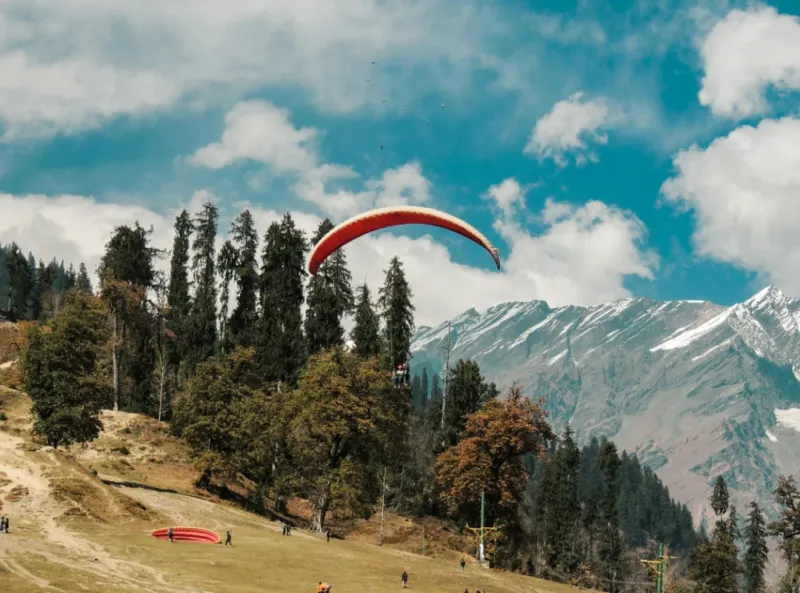
Solang Valley: Two hours from central Kullu when the highway moves. Paragliding and quad biking cluster here. Better as a Manali add-on than a same-day run.
Tirthan Valley: Three hours toward Banjar. Travelers come here after the main kullu tourist places and want quieter forest trails. Trout permits are easier here.
Shoja and Jalori Pass: Near Seraj. The pass closes in heavy snow, but October's ridgeline oak forest feels different from Kullu town's pine slopes. Good for extending beyond standard kullu sightseeing places.
Best Time to Visit Kullu
March to June: The kullu best time to visit. Wheat fields turn golden, apple orchards bloom, roads stay open. Rates climb from April. The best places to visit in kullu now include Naggar, Raison, and the Great Himalayan National Park trails.
July to September: Monsoon. Landslides near Aut add hours to Manali drives. Apple harvesting starts late August. Hotels drop 20 to 30 percent. Only choose this if you accept rain delays.
October to November: Post-monsoon clarity. Snowcaps stay visible all day. October is peak apple season — Naggar orchards are active. This is the best time to visit kullu for clear skies without summer crowds.
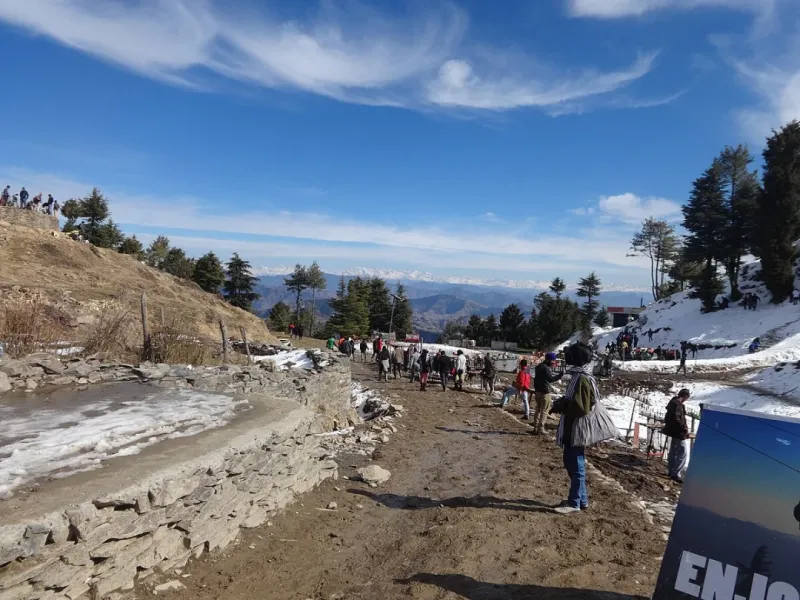
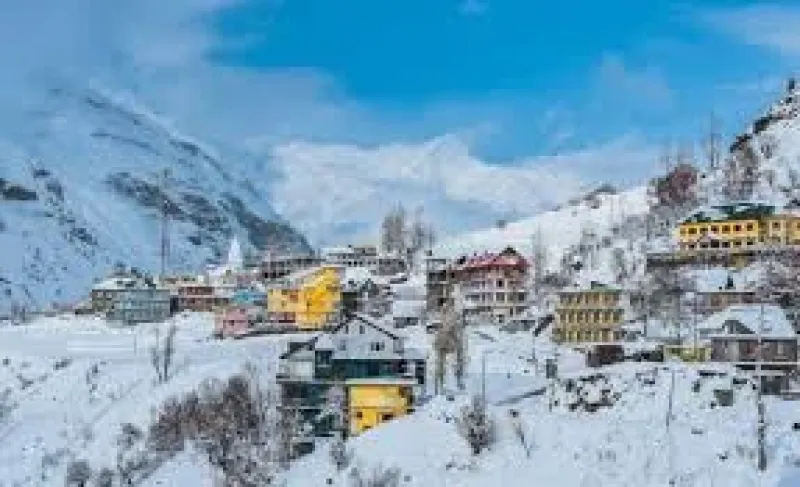
December to February: Cold settles in. Kullu town rarely sees heavy snow, but Bijli Mahadev gets light accumulation in January. Riverside camps shut. Budget hotels slash prices. The things to do in kullu in december are limited — temple visits and ridge walks — but the valley feels emptier than any other month.
Travel Tips
-
Start local sightseeing in kullu before 8:30 AM. The Manali highway locks up after 9:30.
-
Carry layers. The valley cools fast after 4 PM, and wind off the snowcaps bites harder than the temperature shows.
-
Match hotel location to your day-one cluster. Staying in Kullu town for a Naggar-heavy itinerary means backtracking.
-
Check Bijli Mahadev trail conditions after rain. Pony handlers often refuse slush paths.
-
Buffer one hour per road segment. Winding valley roads eat time differently than plains driving.
Mistakes to Avoid
-
Treating Kullu as a half-day Manali add-on. The top places to visit in kullu sit on opposite sides of the valley. One afternoon means more car time than stops.
-
Booking cheap hotels far from your route. A room 12 kilometers from Naggar saves money until extra cab hours eat it up.
-
Ignoring the 50-kilometer corridor. Kullu is not a walkable hill station. The distance from Raghunath Temple to the Great Himalayan National Park is real.
-
Arriving in peak monsoon without flexibility. One landslide near Aut freezes your kullu sightseeing plan.
-
Packing Manali, Solang, Kasol, and Kullu into two days. On paper it works.
Get Your Kullu Trip Cost in 15 Minutes
Most trips fail because of timing, hotel location, or fitting too much into one day.
If you are comparing kullu sightseeing packages and every option looks identical, that is the problem. Generic plans do not account for which valley side you are staying on, apple-picking months, or whether Jalori Pass is open.
Share: Travel dates, number of travelers, budget range.
Receive: Hotel suggestions matched to your route, day-wise plan with real road timing, exact package cost with inclusions listed.
We will help you choose the right stay, realistic pacing, and travel timing before you book anything.
Final Thoughts
The gap between a forgettable trip and a good one in Kullu comes down to where you sleep and how early you start.
A highway hotel saves money but costs morning time. A Naggar stay gives better mornings but longer drives to the GHNP side. There is no universal answer — only the one that fits your route.
The best tourist places in kullu are on every map. What often shapes the trip isn't the destination itself, but when you arrive and how you pace the journey.
If you want a package built around real road conditions and a pace that does not exhaust you, tell us your starting city, travel month, couple or family travel, and budget range. We will suggest exact stay and timing instead of a standard template.
More Attractions In Kullu
Our Most Popular Packages

Mountain Melody: Shimla, Kasol & Manali
Himachal Pardesh,Shimla,Kullu,Manali,Kufri,Kasol,Delhi
Top Destinations