Dachigam National Park
- Attraction
- Price: Low
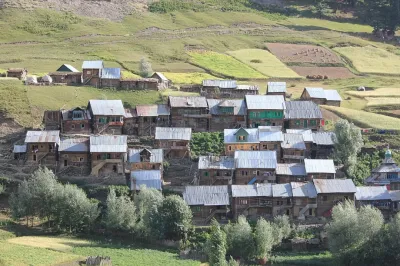
Dachigam National Park is one of the most important and scenic wildlife reserves in Jammu and Kashmir, located about 22 kilometers from Srinagar along the Zabarwan Range. Spread over an area of approximately 141 square kilometers, the park is known for its rich biodiversity, dense forests, alpine meadows, and stunning Himalayan landscapes. The name “Dachigam” literally means “ten villages”, referring to the settlements that were relocated to create this protected area.
Originally established as a protected area during the Maharaja era, Dachigam was later declared a National Park, making it one of the most strictly protected wildlife zones in the region. The park is world-famous as the last stronghold of the Hangul (Kashmir Stag), an endangered species found only in Kashmir. Conservation of this rare deer is one of the park’s primary objectives.
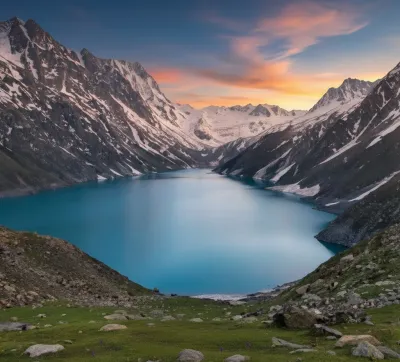
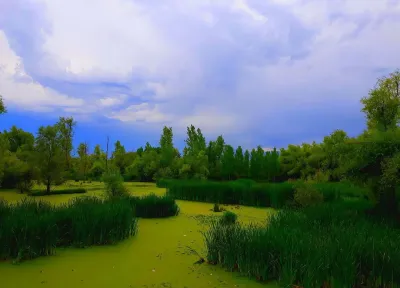
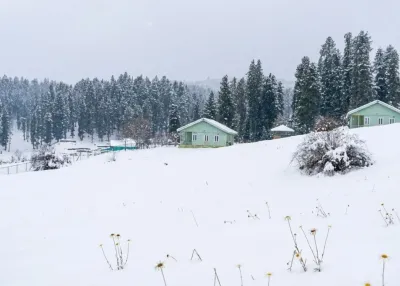
Dachigam National Park is divided into Lower Dachigam and Upper Dachigam, each offering distinct landscapes and wildlife experiences. Lower Dachigam features deciduous forests, open grasslands, and is more accessible to visitors. Upper Dachigam, located at a higher altitude, consists of alpine pastures, rocky slopes, and snow-covered terrain, remaining largely untouched due to harsh climatic conditions.
The park is home to a wide variety of wildlife and bird species, including Himalayan black bear, leopard, musk deer, Himalayan serow, langurs, and red fox. Birdwatchers can spot numerous species such as golden oriole, koklass pheasant, monal, and Himalayan griffon vulture.
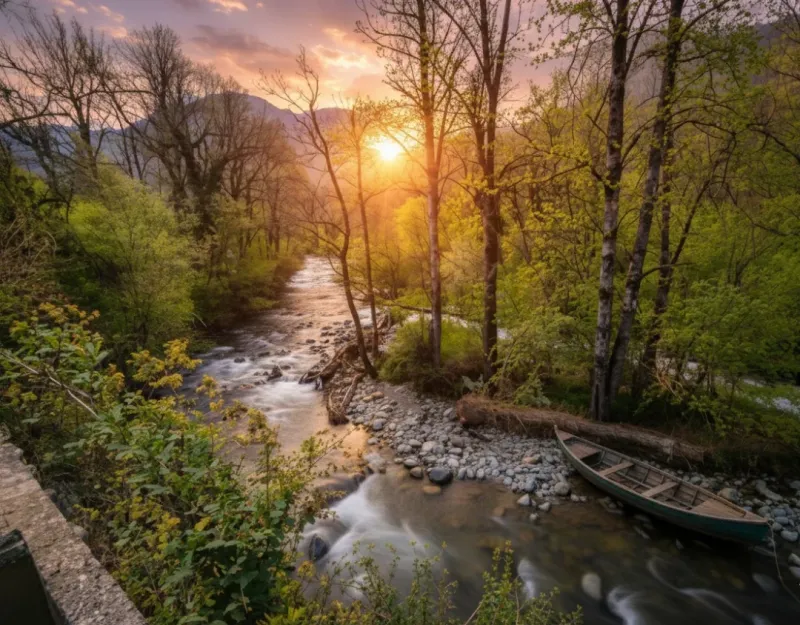
Apart from wildlife, Dachigam also serves as an important watershed area, supplying fresh water to Srinagar through natural streams. The best time to visit the park is from April to October, when the weather is pleasant and wildlife sightings are more frequent.
Dachigam National Park is not only a haven for wildlife enthusiasts but also a symbol of Kashmir’s commitment to preserving its natural heritage, offering visitors a rare glimpse into the region’s pristine wilderness.