Chamba Travel Guide: Places, Itinerary & Real Experience
Chamba Travel Guide – Explore the Hidden Gem of Himachal Pradesh
Introduction
Chamba doesn’t try too hard.
You don’t arrive here and instantly feel like “this is a tourist place.”
It takes a little time.
You walk, maybe sit somewhere quietly, maybe just watch people going about their day… and slowly, things settle.
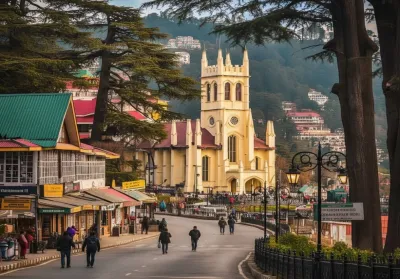
Evenings feel cooler faster than expected here — the valley starts losing sunlight early.
And instead of traffic noise, you’ll hear temple bells more often.
That’s when Chamba starts making sense.
If you're searching for a real Himachal Pradesh travel guide, this isn’t just about places — it’s about how the place actually feels.
Why Visit Chamba Himachal Pradesh
Chamba doesn’t feel designed for tourism — it feels lived in.
Unlike Dalhousie, where cafés and viewpoints shape the experience, Chamba still runs on everyday life — shops opening, locals moving around, markets working normally.
You don’t feel like a visitor being entertained.
You feel like you’re observing a place that already exists without you.
-
No over-curated viewpoints
-
No forced “tourist vibe”
-
Culture feels natural, not staged
That difference is subtle — but once you notice it, it stays.
If you want to compare, you can also check this Dalhousie Tour Guide to understand the difference better.
Timings & Entry Fee (Quick Info)
Location & How to Reach Chamba
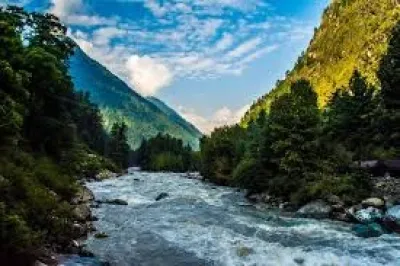
Chamba is located in Himachal Pradesh along the Ravi River valley.
How to reach Chamba Himachal Pradesh from Delhi:
-
By Road (Most practical)
Delhi → Pathankot → Chamba (~580 km) -
Nearest Railway Station:
Pathankot (~120 km) -
By Bus:
Direct or via Dalhousie
Important Distances:
-
Distance between Dalhousie and Chamba: ~50 km
-
Shimla to Chamba distance: ~350 km
-
Rishikesh to Chamba distance: ~300 km
The last stretch feels longer than expected — narrow roads, slower turns.
If you're planning routes, this How to Reach Himachal Pradesh will help you understand all major entry points.
Best Time to Visit Chamba
-
March to June: Comfortable weather, best for exploring
-
October: Clear skies, fewer crowds
-
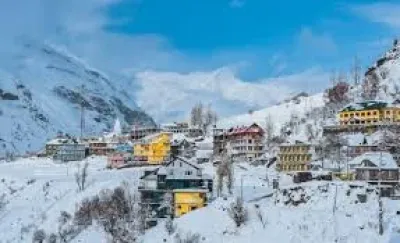
December to February (Chamba in winters): Cold, quiet, occasional snow
If you want movement → summer
If you want stillness → winter
What to Expect (Real Experience)
Chamba won’t keep you busy — and that’s the shift.
-
Markets start winding down earlier than typical tourist towns
-
Afternoons feel slower, almost paused
-
You’ll spend more time sitting than moving
This is not a “cover everything” destination.
It’s a “stay a bit longer than planned” kind of place.
Best Places to Visit in Chamba (With Real Experience)
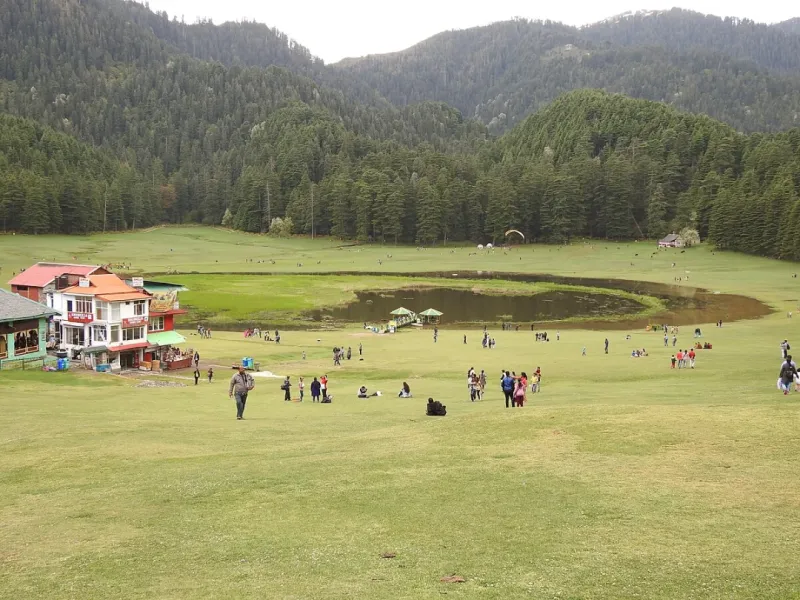
Khajjiar
Khajjiar looks simple — until you get the timing right.
-
Best time: Before 10 AM
-
What it feels like: Slight fog, softer light, quieter space
-
What to avoid: Late afternoon (turns crowded, picnic-heavy)
That “Mini Switzerland” feeling?
It only exists in the morning.
Lakshmi Narayan Temple
-
Early morning feels more connected
-
Architecture is raw, not polished
-
Locals come naturally, not for photos
Sit for a few minutes — that matters more than just visiting.
Chamera Lake
-
Better as a pause than a destination
-
Evening light works better
-
Boating is optional, not essential
It’s the stillness that stays, not the activity.
It’s one of those places that fits perfectly into a relaxed Himachal itinerary like this Dalhousie Travel Guide.
Bhuri Singh Museum
-
Shows Chamba rumal of Himachal Pradesh
-
Local history + paintings
-
Takes around 30–40 minutes
Small place, but adds depth to your trip.
Bharmour (Nearby)
-
Raw, less developed
-
Ancient temple complex
-
Slower roads, bigger landscapes
If you're planning nearby exploration, you can also check a detailed Dalhousie travel guide or a Khajjiar travel guide to build a better route.
Things to Do in Chamba Himachal Pradesh
This is where most blogs stay generic — but Chamba isn’t about activities.
-
Sit at Chamba Chowgan during sunset
→ Locals gather, kids play, nothing feels staged -
Observe market life
→ No tourist filtering, just real routine -
Try local dhaba food
→ Rajma-chawal here feels simpler but better -
Walk without a fixed plan
→ You’ll enjoy more when you stop chasing spots
3-Day Chamba Itinerary (Practical Plan for Himachal Trip)
Day 1: Arrival + Slow Start
-
Reach Chamba
-
Check-in
-
Evening at Chowgan
Day 2: Khajjiar + Chamera Lake
-
Start early (before 10 AM for Khajjiar)
-
Spend unhurried time
-
Visit Chamera Lake
-
Return by evening
Day 3: Bharmour or Stay Slow
Option 1: Explore Bharmour
Option 2: Stay in Chamba, visit temple + museum
Travel Cost Breakdown (Realistic)
-
₹1500/day → budget travel (bus + basic stay)
-
₹2500–₹3000 → relaxed trip (taxi + better stays)
Nearby Places to Visit Near Chamba Himachal Pradesh
-
Dalhousie
→ Cafes, viewpoints, colonial-era feel -
Khajjiar
→ Meadows + best visited early morning -
Bharmour
→ Spiritual, raw Himachal experience -
Tissa
If you're planning a longer Himachal route, this Kullu Travel Guide helps connect multiple destinations.
→ Less explored valley, almost no crowd
Mistakes That Ruin a Chamba Trip
This is where most people go wrong:
-
Reaching Khajjiar after noon
→ You miss the actual experience -
Treating Chamba like Manali
→ You’ll feel “there’s nothing to do” -
Not staying overnight
→ Biggest mistake — Chamba needs time -
Overplanning
→ This place works better without tight schedules
Many travelers also compare this experience with busier places like Manali Travel Guide where planning feels more structured.
Who Should NOT Visit Chamba
Skip Chamba if:
-
You want nightlife or cafés
-
You prefer fast sightseeing
-
You get bored without activities
-
You expect a tourist-heavy experience
Chamba vs Dalhousie (Quick Comparison)
If you want a more detailed comparison, this Dalhousie Travel Guide explains the experience in depth.
Is Chamba Worth Visiting?
Yes, Chamba is worth visiting if you prefer quiet, less crowded hill stations.
It works best for travelers who enjoy slow, observation-based travel rather than packed itineraries.
Internet & Network Reality
-
Jio and Airtel work in main areas
-
Remote areas → weak signal
-
Download offline maps before travel
Solo Travel in Chamba
-
Safe and calm environment
-
Easy to explore
-
No pressure to “do things”
Good for solo travelers who prefer quiet over social scenes.
Quick Facts
-
Chamba hill station altitude: ~996 m
-
Chamba nearest railway station: Pathankot
-
Chamba to Tissa distance: ~70 km
-
Best time to visit Chamba: March–June, October
Closing Thought
Chamba doesn’t compete with other places.
It doesn’t try to be better.
But if you give it time…
slow down a little…
it quietly becomes one of those places that stays with you longer than expected.
For more such slow, offbeat destinations, you can also explore this Spiti Valley Travel Guide — completely different but equally immersive experience.