Manali Wildlife Sanctuary – Best Time, Entry & Tips 2026
Manali Wildlife Sanctuary – Complete Guide, Flora, Fauna & Real Experience
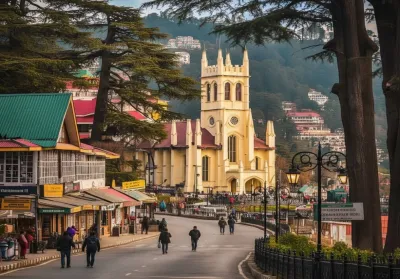
Manali Wildlife Sanctuary is a wildlife sanctuary that is different from normal wildlife sanctuaries. Here, it is not a forest where we roam on jeeps, vehicles, and stay surrounded by people. Manali is a tourist destination (you can explore more in this detailed Manali travel guide) where people come, enjoy, and return , but then there is a hidden and subtle place where no transport is used inside the forest. You go on foot and feel the nature closely.
In the morning, the sunlight gently hits your face as it passes between tall trees. The sound you hear is not of vehicles but of birds and the nearby river. The surroundings stay calm most of the time. You hear natural sounds, and slowly your mind starts feeling light. This place does not feel crowded or fancy. It feels real and simple.
The happiness here comes naturally. There is no plastic, no over-crowding, and nothing artificial. There is only you, your thoughts, small forest paths, and tall trees. The body feels fresh automatically, and you start forgetting unnecessary stress.
Where Is Manali Wildlife Sanctuary Located?
Manali Wildlife Sanctuary is located very close to Manali town. It is around 2 to 3 kilometers away and comes near the Hadimba Temple (read Hadimba Temple Manali guide) side. it is close,but many people do not go there because it is not on the main road.
People who want peace and a simple walk usually choose this place.
History & Establishment of Manali Wildlife Sanctuary
Manali Wildlife Sanctuary was declared in 1954. Before that, this forest area was used by local people. They used to bring cattle here, collect wood, and move freely inside the forest.
At that time, there were no strict rules. Slowly, wildlife started reducing and forest areas were not safe. After that, the government decided to protect this region and declared it as a sanctuary.
Over time, cutting trees and hunting was stopped. The forest started growing again on its own. Today, this place works as a protected green area near Manali and helps in saving forest life.
This sanctuary is one of the many protected natural spots covered in the Himachal Pradesh travel guide.
Things to Do at Manali Wildlife Sanctuary
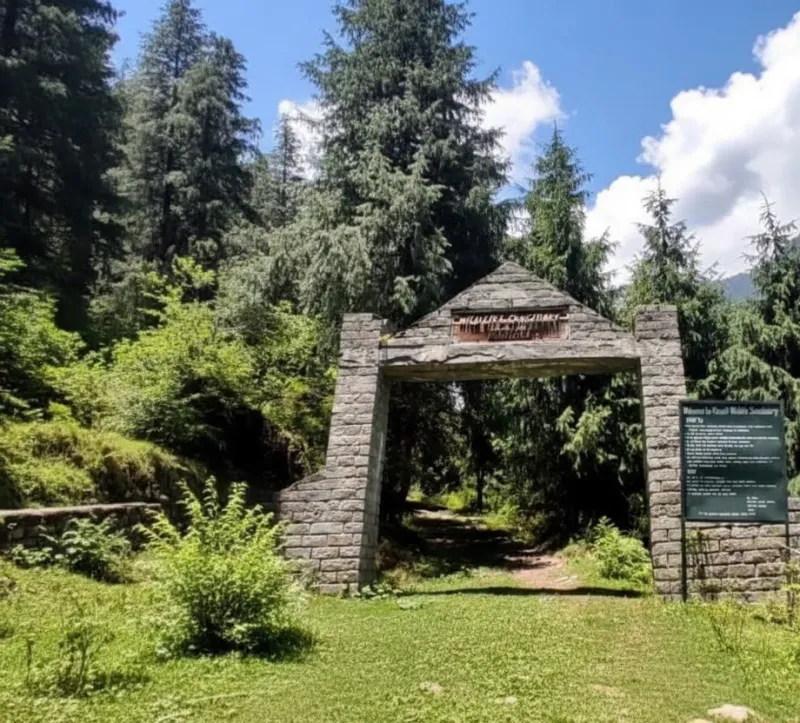
When we enter the sanctuary, the first thing you would see is a main gate hoarding of Manali Wildlife Sanctuary, like a horror movie scene. And there is a stone with a do and don’t list.
But this time, come with me. I tell you with my experience.
We enter with a simple walk through a small pedestrian path in the middle of tall deodar trees and dense forest. You experience the sound of birds and rivers and enjoy the path with mountain views, where all over the green is surrounding you.
To feel the mountain more deeply, do small trekking uphill into dense forest zones. This place is not for big groups. It is for nature lovers who trek uphill and sight the animals of the forest.
With you moving inside the dense forest, you see birds of different colors and species. Maybe some you are seeing for the first time. With the sun going upside, light also scatters through tree leaves on your face and head.
You click photos and videos, capturing natural and unforgettable moments.
After completing your walk, you can sit , open your backpack, eat your lunch with nature, and take a small rest
If you love trekking, you can explore more options in the best places to trek in Himachal Pradesh.
Flora Found in Manali Wildlife Sanctuary
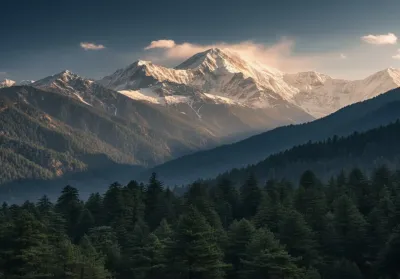
The forest inside Manali Wildlife Sanctuary is thick and natural. Trees are tall and spread across hills. The greenery changes with season.
You will see trees like deodar, kail, maple, horse chestnut, walnut, and willow. In summer, everything looks green. In autumn, leaves fall on the walking paths. In winter, snow settles on branches and the ground.
The smell of soil and cold air stays with you while walking.
Fauna of Manali Wildlife Sanctuary
The sanctuary has Himalayan animals, but they do not come out easily. Sightings depend on silence and luck.
Animals found here include Himalayan black bear, barking deer, musk deer, palm civet, weasel, and flying fox. Mostly they live deep inside forest.
Birds are easily notice. You may see Himalayan monal, woodpeckers, snow pigeon, and other mountain birds. If you walk slowly, you can hear their sounds clearly.
Trekking Routes Inside the Sanctuary
There are some fixed trekking routes according to government or but no major signboards inside the sanctuary. The paths are natural walking trails. Some parts are flat, some go a little uphill.
People walk as much as they want and then return. There is no pressure to complete any route. This is not adventure trekking. It is just walking inside forest,
Entry Fee, Timings & Visitor Information
The entry fee is very less. Indian visitors usually pay around ₹10 to ₹20. Foreign visitors pay a little more. Camera charges may apply sometimes.
manali wildlife sanctuary timings are 10:00 AM to 6:00 PM. Morning time is better if you want better experience
How to Reach Manali Wildlife Sanctuary
If you are staying in Manali, you can take an auto or taxi till Hadimba Temple area. From there, the entry gate is at walking distance.
Some people also come by walking from Old Manali.If you are coming from outside, you can first check this guide on how to reach Himachal Pradesh and then reach Manali bus stand. Local transport is easily available. Bhuntar Airport is the nearest airport, around 50 km away.
Manali Wildlife Sanctuary in Winter
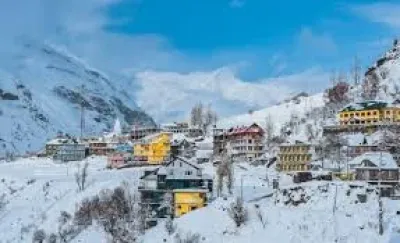
In winter season, during the snowfall season in Manali, the ice falls all around the path, on the mountains, trees, and walking areas. The paths get covered with snow. The place becomes peaceful and beautiful and gives you a vibe of some foreign country.
If you take a chai with you for breakfast, it is cherry on top
Nearby Tourist Attractions
Hadimba Temple, Old Manali, Van Vihar, and Mall Road are close to the sanctuary. Many people visit the sanctuary in the morning and go to these places later.
Conclusion
The Manali Wildlife Sanctuary is pure nature and fun in peace. Some places are stayed in our mind for a long time, and this place is that type of place.
If you want to travel and explore this type of place, then Tejofy is the best choice for you, with a smooth and affordable experience. Contact now for better deals.
You can also combine this visit with other top tourist places in Himachal Pradesh for a complete trip.