Pangi Valley Travel Guide: Distance, Best Time & Road Map
Pangi Valley Travel Guide – Distance, Best Time, Places & Travel Tips
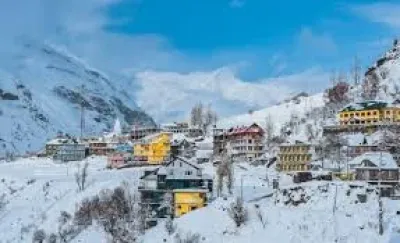
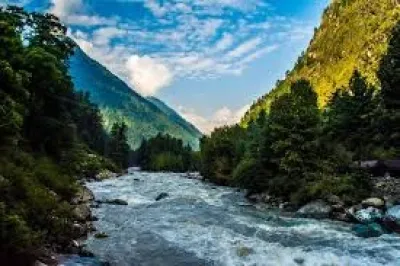
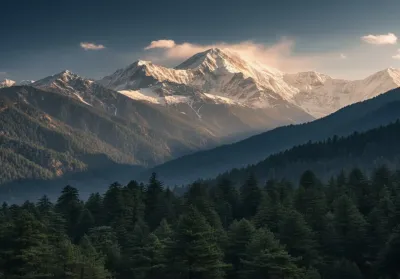
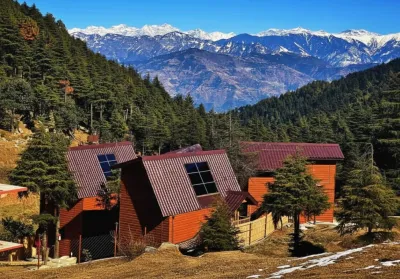
Pangi Valley feels different the moment you begin approaching it. For almost half the year, heavy snow limits regular road movement and the region slips into its own quiet routine. Steep mountain faces, narrow approach roads, and the fast-moving Chenab deep below define the landscape here.
This is Pangi Valley.
For a long time, reaching this region was not simple, which is one reason the valley has changed very slowly compared to more visited parts of Himachal. Even today, it is known more for its terrain and remoteness than for typical tourism activity. If you want to explore more hidden regions of the state, you can also check our detailed Himachal Pradesh Travel Guide which covers major destinations across the mountains.
When I first stood at a high viewpoint above the valley, the scene below held my attention for a while. Snow was resting on the higher peaks, the road below looked rough in several stretches, and the river was moving with noticeable force. Nearby, a local woman was walking uphill carrying firewood. Out of curiosity, I asked her why the valley becomes cut off during winter.
She explained calmly that snowfall often rises beyond two meters, and once that happens, vehicle movement becomes difficult for months.
At that point, it was easy to understand that Pangi Valley is not meant for rushed sightseeing. It suits travelers who are comfortable with long mountain drives, uncertain road conditions, and places that still move according to the seasons.
This guide explains Pangi Valley distance, road access, weather, temperature, key places, and practical travel planning in a simple format.
Where Is Pangi Valley Located
Pangi Valley is located in the Chamba district of Himachal Pradesh in northern India. Travelers exploring this region often combine it with nearby destinations covered in our Chamba Travel Guide.
It lies to the northeast of Chamba town and remains separated by high mountain ranges, including the well-known Sach Pass.
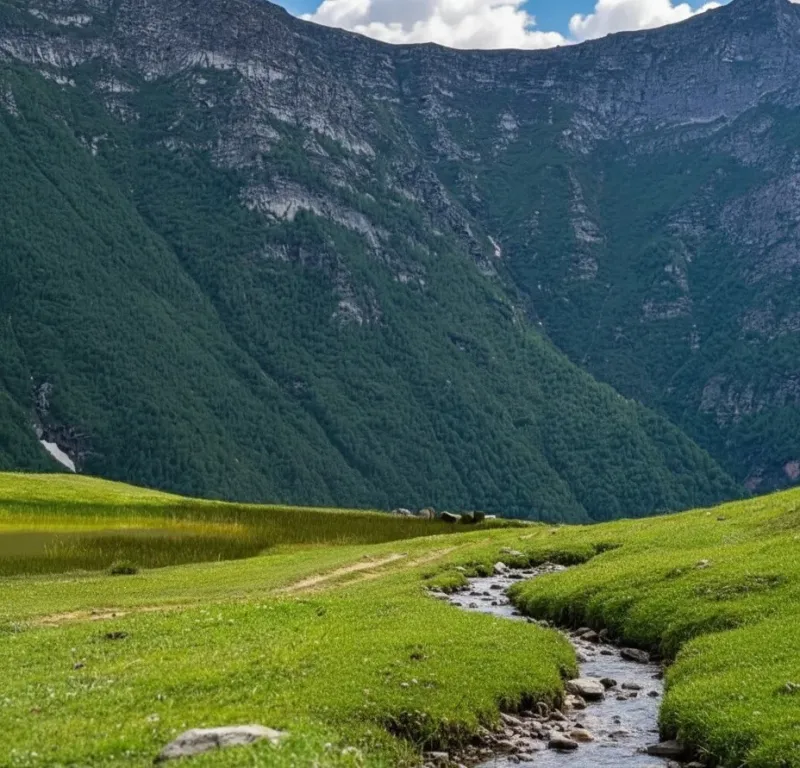
Geographic Overview
If you look at a Pangi Valley map, the primary entry is usually through Sach Pass from the Chamba side. During certain open months, access is also possible via the Lahaul side from Manali.
Killar is the main town where most administrative and market activities of Pangi Valley take place.
How to Reach Pangi Valley
There is no direct airport or railway connectivity to Pangi Valley. Road travel remains the only practical way to reach the region.
Main Access Routes
From Delhi
-
Delhi to Pangi Valley distance: around 600 to 650 km
-
Route: Delhi – Pathankot – Chamba – Sach Pass – Killar
From Chandigarh
-
Chandigarh to Pangi Valley: around 450 km
-
Route: Chandigarh – Chamba – Sach Pass
From Manali
-
Manali to Pangi Valley distance: about 170 to 200 km. Many travelers start their journey from Manali, so reading our detailed Manali Travel Guide can help you plan the route and nearby attractions.
-
Route: Manali – Udaipur – Pangi
From Shimla
-
From Shimla Shimla to Pangi Valley involves a long interior mountain drive. If you are planning to begin your trip from the state capital, you can explore our Shimla Tour Guide for travel routes and planning tips.
If you are checking how to reach Pangi Valley from Delhi, the Chamba–Sach Pass route is the most commonly used in summer months.
Pangi Valley Distance & Travel Time
Here, travel duration depends more on road condition than on the map distance.
Distance Comparison
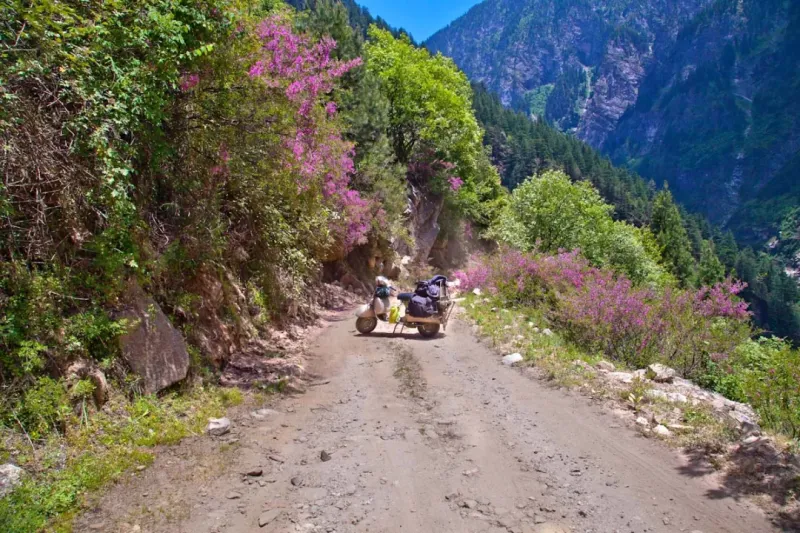
Typical Road Features
-
Narrow cliff-side stretches
-
Loose gravel patches
-
Sharp mountain bends
-
Landslide-prone sections on some of the narrow mountain roads
Driving during daylight hours is strongly advised on the Pangi Valley road.
Best Time to Visit Pangi Valley
The most suitable window to visit Pangi Valley is between June and September.
Seasonal Conditions
Pangi Valley Weather & Temperature
-
Summer temperature: 10°C to 25°C
-
Early winter: 0°C to 10°C
-
Peak winter: Below zero
Pangi Valley weather can shift quickly due to strong mountain winds, so checking updates before travel is useful.
Places to Visit in Pangi Valley
Travel in Pangi Valley revolves mostly around landscape and village life rather than commercial attractions.
Killar
-
Main town of the valley
-
Basic market and stay options available
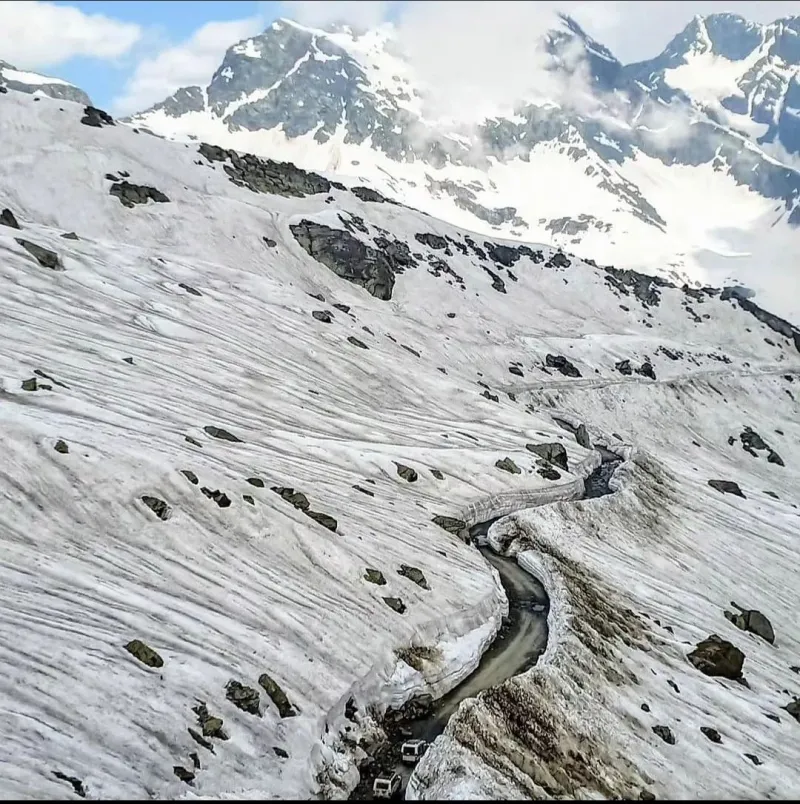
Sach Pass
-
High mountain pass
-
Connects Chamba to Pangi Valley
-
Snow walls visible in early summer
Mindhal Mata Temple
-
Important local temple
-
Traditional wooden construction
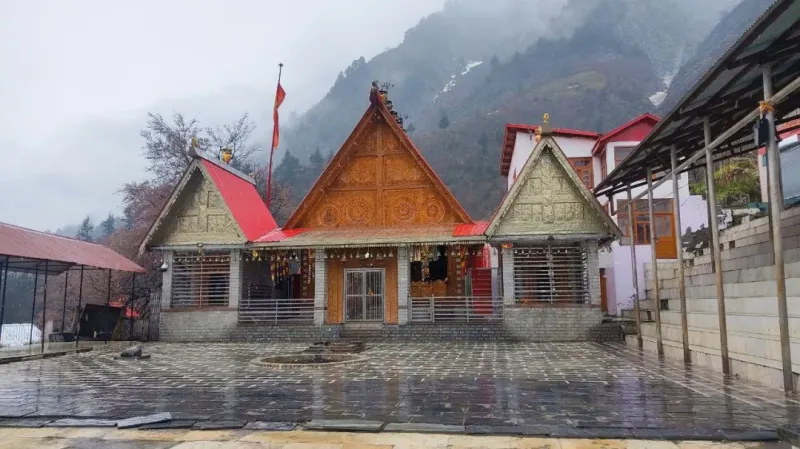
Dharwas Village
-
Quiet village environment
-
Farming fields and river views
Pangi Valley images and photo gallery results usually highlight wooden houses, steep terrain, and wide mountain backdrops.
Things to Do in Pangi Valley
-
Drive carefully across Sach Pass Pangi Valley road
-
Walk through interior village paths and experience untouched Himalayan landscapes similar to many remote trekking locations described in our Best Places to Trek in Himachal Pradesh guide.
-
Capture Pangi Valley photo gallery moments
-
Interact with local residents
-
Explore nearby hill slopes
Pangi Valley Culture, Food & Lifestyle
Daily life in Pangi Valley still follows seasonal rhythms.
Occupation
-
Farming
-
Animal care
-
Small-scale government work
Local Food
-
Rajma and rice
-
Maize roti
-
Lentil dishes
-
Butter tea in winter
-
Simple ghee-based curries
Road Conditions & Safety Tips for Pangi Valley
Before entering the valley:
-
Check Sach Pass Pangi Valley road status
-
Carry extra fuel
-
Keep a spare tire
-
Avoid night driving
-
Monitor weather reports
Some parts of the Pangi Valley road do not have guardrails, and mobile network coverage is weak in several stretches.
Where to Stay in Pangi Valley
Accommodation is limited, but you will find basic options in a few locations.
Stay Options
-
Guest houses in Killar
-
Many locals run small homestays
-
Government rest houses
Luxury hotel options are very limited in Pangi Valley, Himachal. Advance booking is advisable during peak travel months.
What to Pack for Pangi Valley Trip
Essential items:
-
Warm clothing
-
Waterproof jacket for the snow
-
Comfortable footwear for snow and normal walks
-
Basic medicines due to height there is chances of headache
-
Cash money
-
Offline Pangi Valley map
Even in summer, evenings can turn cold because of the altitude.
Pangi Valley Travel Tips
-
Start long drives early
-
Carry sufficient cash as network connectivity is limited
-
Inform family about your route
-
Respect local customs
-
Avoid littering
Conclusion
Pangi Valley is not only for tourism. There are no large markets, no constant network, and no rush of city movement. What you find instead are steep mountains, narrow approach roads, strong rivers, and long winters that still control the rhythm of life.
For travelers who genuinely want distance from crowded hill stations and are comfortable with demanding mountain routes, Pangi Valley offers a raw Himalayan experience. It is one of many unique destinations you can explore across the mountains covered in our Top Tourist Places in Himachal Pradesh guide.
If you prefer planned transport, coordinated stays, and route clarity for Pangi Valley Himachal Pradesh, Tejofy can help organize the logistics so your journey remains smoother.