About Badrinath
Badrinath Tour Package: Best Places to Visit, Yatra Plan & Cost
Some trips feel less like vacations and more like a pause.
Badrinath is one of them.
The road gets quieter after Rudraprayag. Mountains start closing in. Mobile networks disappear on and off. Tea stops become smaller. And somewhere after Joshimath, the trip stops feeling casual.
Most people imagine Badrinath yatra as only a temple visit.
It’s not.
The experience changes completely depending on:
-
when you reach
-
where you stay
-
how rushed your route becomes
-
whether you acclimatize properly or not
A badly planned Badrinath trip usually turns into long drives, exhaustion, and barely an hour near the temple.
A properly paced Badrinath tour package feels very different.
Cold morning air near the temple.
Slow walks around the market after evening aarti.
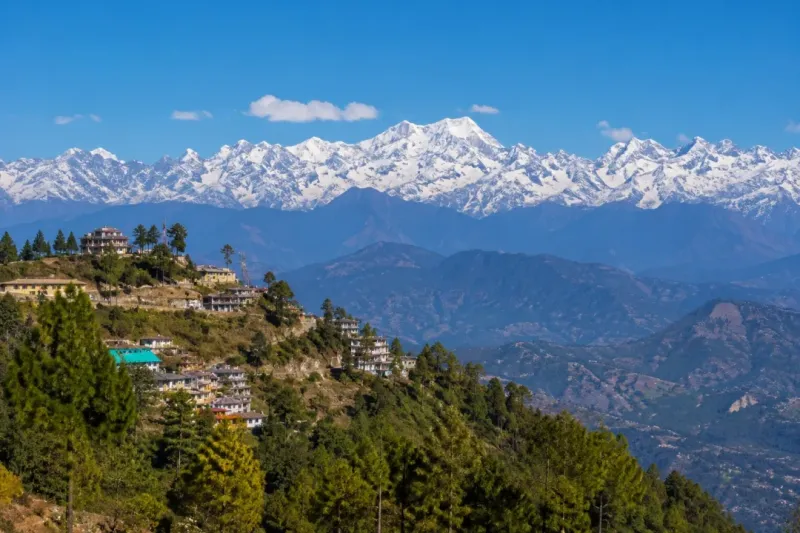
Mountains turning grey-blue by sunset.
That’s the side most rushed itineraries miss.
If you're planning a Badrinath tour package, Badrinath yatra package, or searching for the best places to visit in Badrinath, this page is built around real route timing, practical planning, and how the journey actually feels on the ground.
Quick Snapshot
A thoughtfully planned Badrinath trip feels far more comfortable when the journey is paced sensibly, rather than rushing through every stop just to fit everything in.
Why Visit Badrinath
Badrinath isn’t only about reaching the temple.
The journey itself becomes part of the memory.
You pass rivers changing colors every few hours. Tiny mountain towns appear suddenly between cliffs. Weather shifts fast. One moment it's bright sunlight, next moment clouds completely cover the valley.
By early morning, the temple area feels calmer than most people expect.
That’s usually the best part of the entire Badrinath dham yatra.
Most travelers who regret the trip usually made one mistake:
they rushed the route from Haridwar or Delhi without proper breaks.
This destination works better when you slow the pacing slightly.
Best Places to Visit in Badrinath
These are some of the most important Badrinath tourist places and nearby spiritual stops included in most Badrinath yatra tour packages.
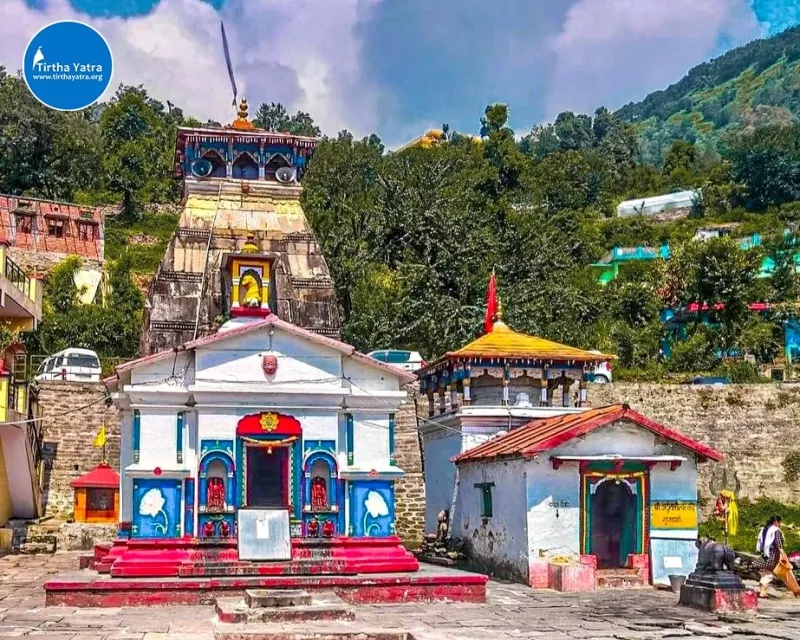
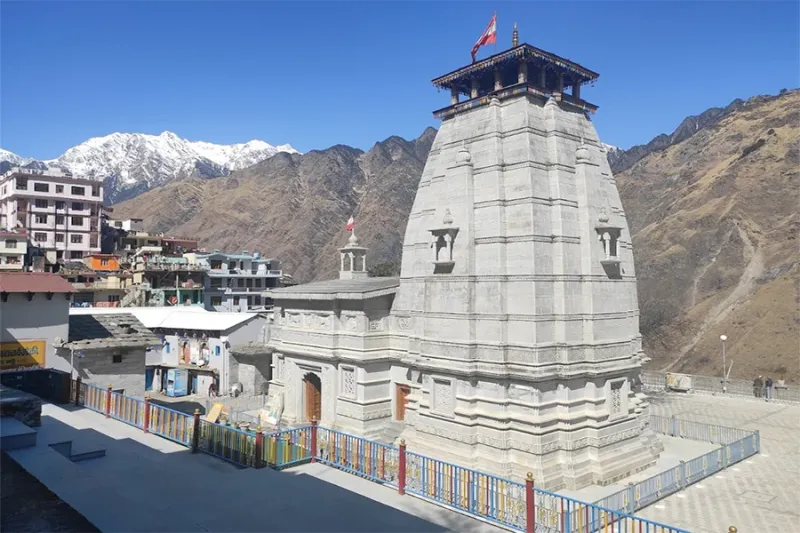
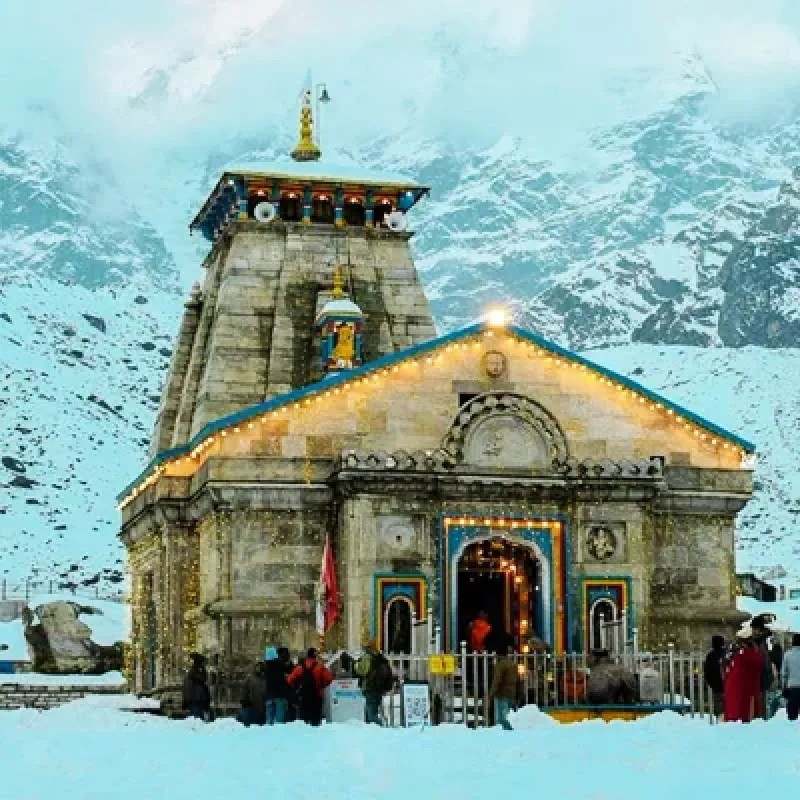
1. Badrinath Temple
The temple atmosphere changes a lot depending on timing.
Around sunrise, the rush stays lighter and the valley still holds that quiet chill the mountains are known for. Late mornings become heavily crowded during peak season.
Most experienced travelers prefer staying overnight nearby instead of doing same-day darshan.
That changes the whole experience.
2. Tapt Kund
People usually stop here before entering the temple.
The hot water against freezing mountain temperatures feels strange initially. During colder months, steam rising around the kund becomes part of the atmosphere itself.
3. Mana Village
Mana doesn’t feel overly commercial yet.
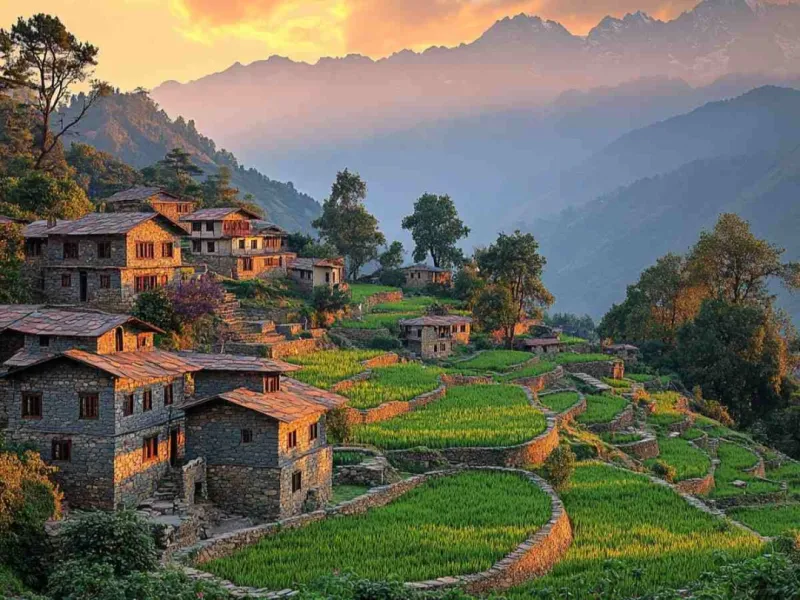
Small stone houses.
Mountain wind everywhere.
Tea shops overlooking valleys.
The walk toward Bhim Pul is short but memorable if weather stays clear.
Many Badrinath sightseeing itineraries skip enough time here.
That’s usually a mistake.
4. Bhim Pul
The sound of the river here is louder than most people expect.
You don’t stay long.
But the location feels raw and dramatic because of the narrow valley and massive rock bridge.
5. Charan Paduka
Not everyone attempts this.
Early starts work best.
Things to Do in Badrinath
Not every experience here needs to be rushed sightseeing.
Some moments work better slowly.
-
Attend early morning temple darshan
-
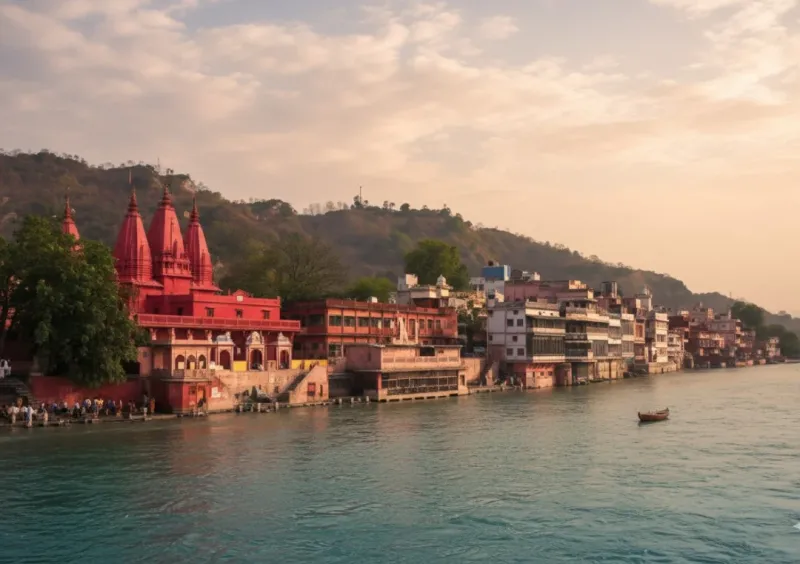
Sit quietly near Alaknanda River after evening aarti
-
Walk through Mana Village before tourist crowds arrive
-
Try simple Garhwali meals in local dhabas
-
Watch cloud movement near temple area during sunset
-
Explore small market lanes around the temple
-
Stop at Joshimath instead of driving continuously
Most people remember the road journey almost as much as the temple itself.
Badrinath Sightseeing Overview
A balanced Badrinath trip package usually combines:
-
spiritual stops
-
mountain driving breaks
-
acclimatization time
-
short walks instead of nonstop vehicle travel
This becomes especially important for:
-
families
-
elderly travelers
-
travelers from Delhi doing quick road trips
-
Char Dham visitors continuing toward Kedarnath
Best Time to Visit Badrinath
May to June (Peak Season)
This is when most Badrinath yatra bookings happen.
Weather stays comparatively comfortable.
Road conditions remain stable.
Temple operations run smoothly.
Trade-off:
-
higher hotel prices
-
more traffic near Joshimath
-
longer darshan queues
Cost Impact
Badrinath tour package prices increase noticeably during:
-
Char Dham opening weeks
-
school holidays
-
long weekends
July to August (Monsoon)
Not ideal for first-time travelers.
Landslide risks increase.
Road delays become unpredictable.
Budget stays become cheaper, but flexibility becomes necessary.
September to October (Best Balanced Season)
This is often the most comfortable time for a Badrinath trip.
The monsoon greenery stays.
Crowds reduce slightly.
Skies become clearer.
Many experienced Uttarakhand travelers prefer this period over peak summer.
Winter
Temple remains closed.
Heavy snowfall affects the entire region.
Sample 5 Day Badrinath Tour Itinerary
Day 1 — Haridwar / Rishikesh to Rudraprayag
Morning:
-
Departure from Haridwar
Afternoon:
-
Devprayag stop
-
Riverside lunch
Evening:
-
Reach Rudraprayag
-
Overnight stay
Most people underestimate mountain driving time here.
That’s why breaking the journey matters.
Day 2 — Rudraprayag to Badrinath
Morning:
-
Joshimath route
Afternoon:
-
Arrival in Badrinath
-
Hotel check-in
Evening:
-
Temple aarti
This slower arrival works far better than same-day up-down driving.
Want this paced properly?
Get a customized Badrinath yatra package based on:
-
family size
-
senior citizen comfort
-
preferred hotel category
-
road vs helicopter preference
Day 3 — Badrinath Sightseeing
Morning:
-
Temple darshan
-
Tapt Kund
Afternoon:
-
Mana Village
-
Bhim Pul
Evening:
-
Local market walk
-
Relaxed overnight stay
Day 4 — Return Toward Rishikesh
Break the drive properly instead of forcing continuous travel.
Mountain fatigue becomes real after Day 3.
Day 5 — Departure
Return with buffer time instead of tight train or flight scheduling.
Weather delays happen occasionally in Uttarakhand routes.
What’s Included in This Badrinath Tour Package
Most Badrinath travel packages usually include:
Stay
-
Budget hotels
-
Riverside stays
-
Family rooms
-
Premium mountain-view properties
Meals
-
Breakfast
-
Dinner
-
Basic vegetarian meals
Transport
-
Private cab
-
Tempo traveler
-
Pickup from Haridwar / Rishikesh / Delhi
Experiences
-
Temple assistance
-
Sightseeing stops
-
Route planning
-
Local guidance
What’s Not Included
-
VIP darshan tickets
-
Personal shopping
-
Pony / palki charges
-
Helicopter upgrades
-
Travel insurance
-
Entry fees for optional spots
Badrinath Package Cost Breakdown
Helicopter to Badrinath Price
Helicopter costs fluctuate heavily depending on:
-
weather windows
-
pilgrimage demand
-
departure location
-
group size
What Changes the Package Cost?
Main pricing factors:
-
hotel category
-
travel month
-
road vs helicopter option
-
number of nights
-
Delhi vs Haridwar pickup
-
senior citizen requirements
Lake-facing luxury style doesn’t matter here.
Location convenience and road comfort matter more.
Who This Badrinath Package Is Perfect For
Families
Balanced pacing helps avoid exhaustion.
Senior Citizens
Slower routes + proper overnight stops matter a lot.
Spiritual Travelers
Morning temple timing changes the experience completely.
First-Time Uttarakhand Travelers
Structured routes prevent unnecessary stress.
Why Choose This Badrinath Tour Package
We don’t just book hotels.
We plan where your energy actually stays manageable.
That matters much more in Uttarakhand mountain routes.
What makes the difference:
-
realistic driving hours
-
proper overnight halts
-
altitude pacing
-
stay selection near temple access
-
weather-aware planning
Practical experience matters here
2000+ Uttarakhand route itineraries planned around:
-
Char Dham timing
-
family comfort
-
senior traveler pacing
-
realistic road conditions
Most problems happen because travelers copy unrealistic internet itineraries.
Where to Stay in Badrinath
Near Temple Area
Best for:
-
elderly travelers
-
morning darshan
-
short walking access
Budget Stays
Simple but practical.
Works for:
-
backpackers
-
short Badrinath trip plans
Premium Options
Mountain-facing rooms.
Better heating.
Less travel stress.
During peak season, hotel choice affects the experience more than sightseeing itself.
Places Near Badrinath
Joshimath
Best overnight break point before Badrinath.
Auli
Works well if combining spiritual trip with mountain scenery.
Mana Village
Usually included in most Badrinath sightseeing plans.
Chopta
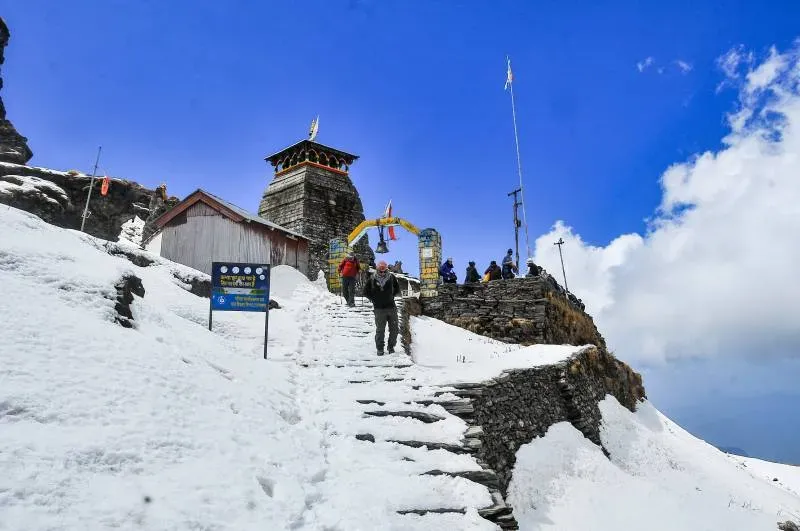
Popular extension route for travelers continuing toward Tungnath.
Travel Tips for Badrinath Yatra
-
Start drives early morning
-
Keep altitude medicines if needed
-
Carry warm layers even in summer
-
Avoid tight schedules
-
Keep extra buffer day during monsoon
-
Don’t rely fully on mobile internet
Mistakes Most Travelers Make
-
Trying Delhi to Badrinath too aggressively
-
Ignoring altitude fatigue
-
Booking cheapest stays far from temple
-
Visiting during monsoon without flexibility
-
Not planning enough rest stops
Most people don’t struggle with places.
They struggle with planning the mountain timing correctly.
Plan Your Badrinath Yatra Properly
People usually think Badrinath becomes difficult because of the mountains.
Honestly, that’s rarely the real issue.
What actually drains the trip is poor sequencing.
Leaving too late from Rishikesh.
Booking a hotel that looks good online but adds unnecessary walking.
Trying to squeeze Joshimath, Mana, darshan, and return travel into the same stretch.
By the second day, the journey starts feeling mechanical.
A smoother Badrinath trip is usually built around smaller decisions:
where you halt,
how early you move,
which side of town you stay on,
whether your parents can comfortably manage the walking,
or whether you should avoid certain travel windows completely.
Some travelers want peaceful temple timing.
Some only care about reducing fatigue.
Others just want the route explained properly without spending hours comparing random blogs.
That’s usually where personalized planning helps more than generic packages.
Instead of sending you the same copied route everyone gets, we help map the journey around how you actually want to travel.
Maybe that means:
-
a slower overnight stop before Badrinath
-
less hotel shifting
-
easier darshan timing
-
a better route from Delhi
-
or simply avoiding the chaos most people accidentally walk into
Share your travel dates and group details, and we’ll help you figure out what genuinely makes sense — not what simply looks packed on paper.
Because in mountain journeys like this, comfort quietly decides whether the trip stays memorable… or just tiring.
Our Most Popular Packages
Kedarnath Badrinath Tour Package from Delhi
Haridwar,Guptkashi,Kedarnath,Rudraprayag,Badrinath,Joshimath,Rishikesh
Top Destinations In Badrinath