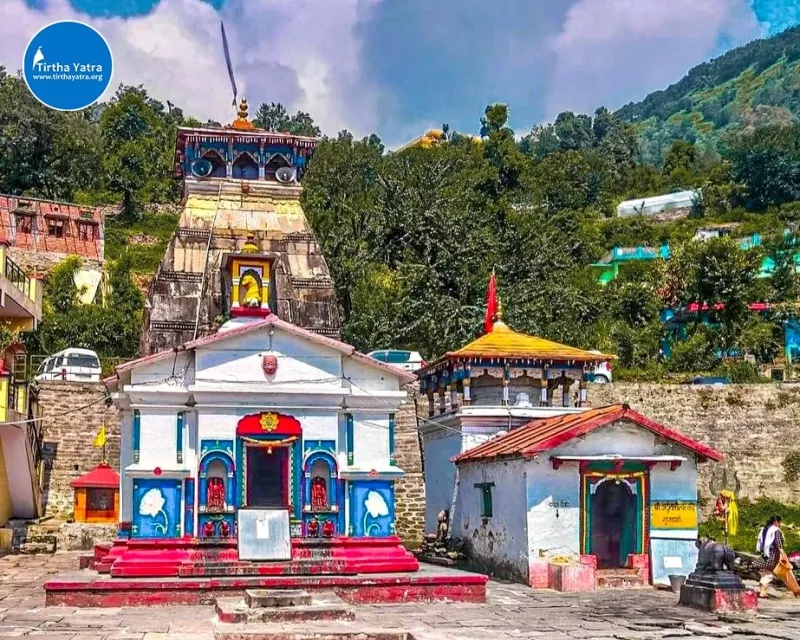
About Rudraprayag
Rudraprayag Tour Package (2026): Best Places to Visit, 2 Day Itinerary & Trip Cost
Most people arrive in Rudraprayag with somewhere else on their mind.
Kedarnath. Badrinath. Chopta.
The town often becomes a night halt, a tea break, or a place where people check their maps before continuing the journey.
Then there are travelers who stay an extra day.
That's usually when Rudraprayag starts showing a different side of itself.
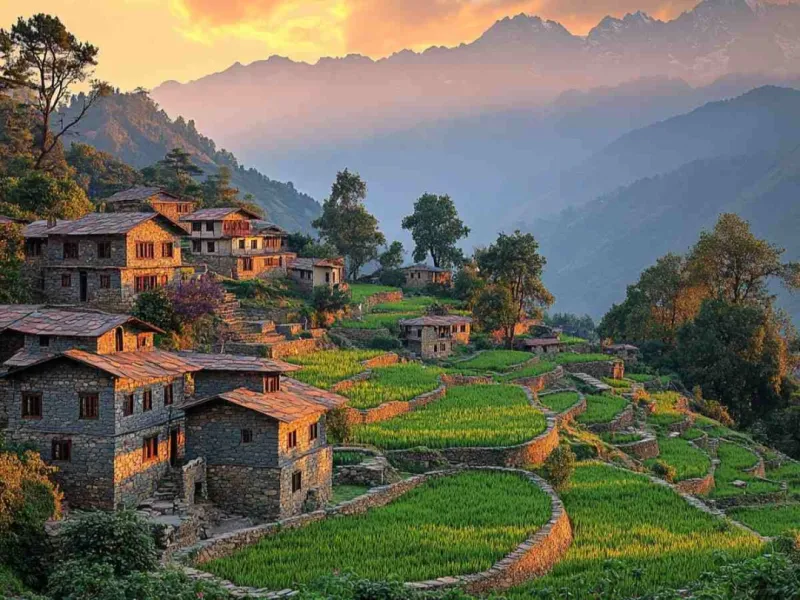
The sound of the rivers meeting below the town. Small roads disappearing towards mountain villages. Early mornings where clouds move slowly across the valley before traffic begins to build. Temples that feel connected to the landscape rather than separated from it.
A good Rudraprayag tour package isn't about collecting attractions. It's about knowing where to spend your time and where not to rush.
Some places here deserve an hour.
Others deserve an entire morning.
That's the difference between simply passing through Rudraprayag and actually experiencing it.
Planning A Rudraprayag Trip?
Many visitors end up making the same mistakes.
They book a hotel because it's cheap without checking where it's located. They try to cover Chopta, Deoria Tal, Ukhimath, and local sightseeing in a single day. They reach viewpoints after the weather has already changed.
Mountain travel doesn't usually reward speed.
It rewards timing.
Whether you're planning a family holiday, a couple's getaway, a pilgrimage route, or a short Uttarakhand escape, having the right plan often matters more than adding more destinations.
Need help planning your Rudraprayag tour? Get a personalized itinerary based on your dates, budget, and travel style.
Quick Snapshot
Why Visit Rudraprayag?
Not every mountain destination feels the same.
Some places revolve around one famous viewpoint.
Others revolve around one temple.
Rudraprayag feels more spread out than that.
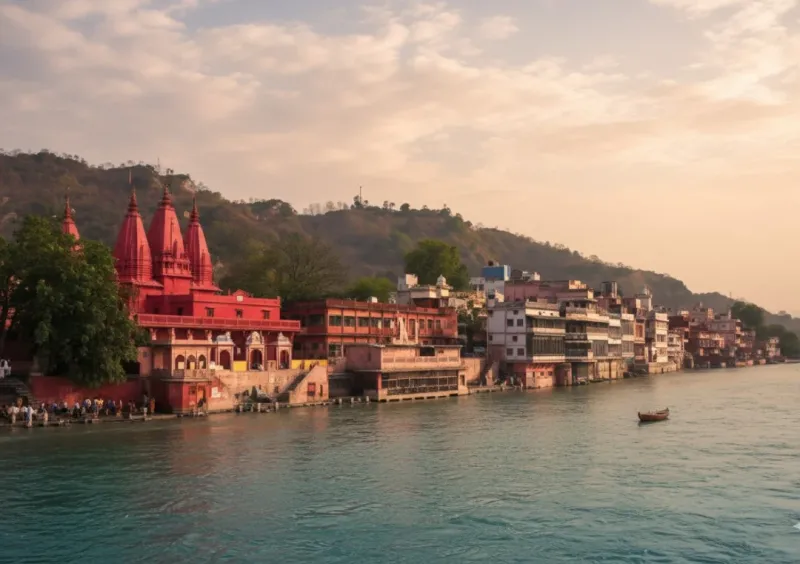
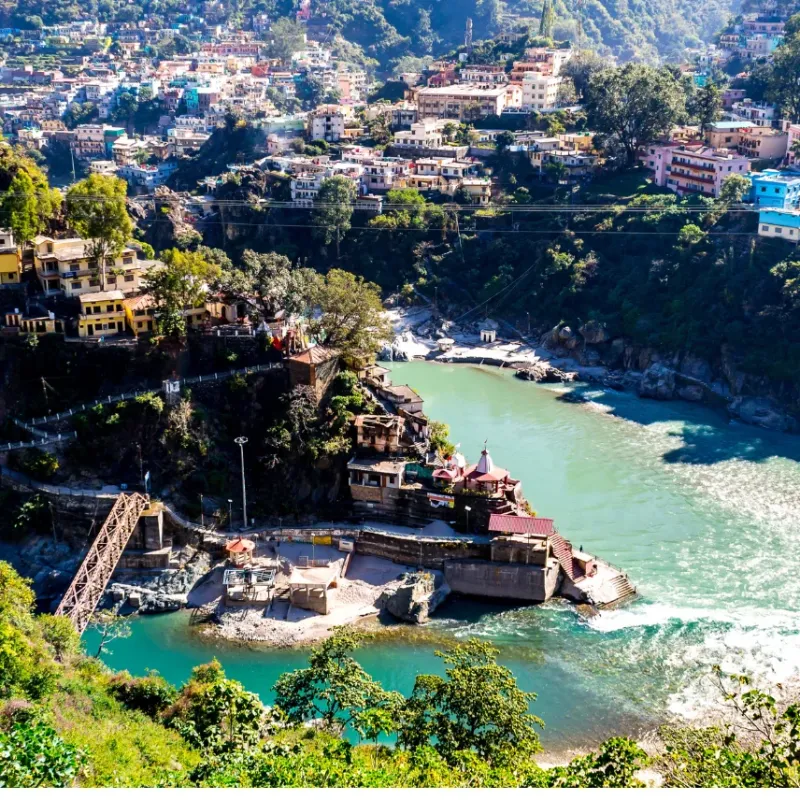
One hour you're standing beside the confluence of the Alaknanda and Mandakini rivers.
Later you're driving through forest roads towards Chopta.
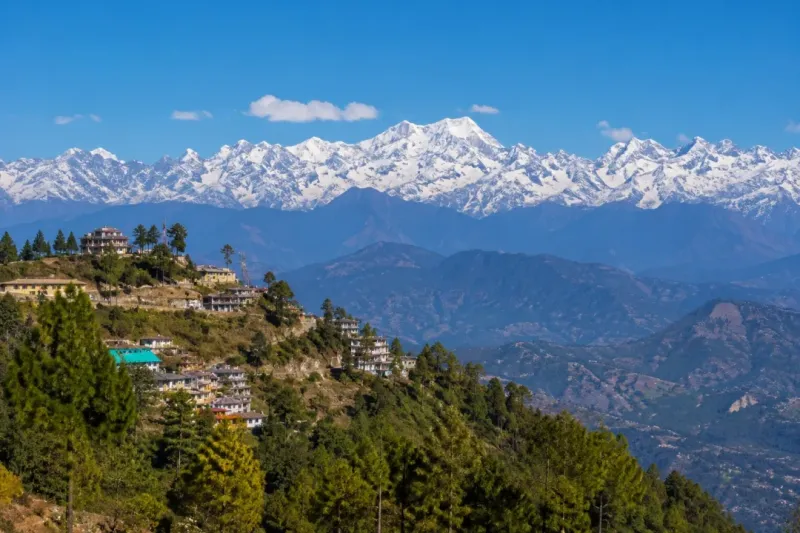
The next morning you might be watching sunlight slowly reach distant Himalayan peaks from Kartik Swami.
The scenery keeps changing.
So does the pace.
What surprises many first-time visitors is how peaceful the region feels once you move away from the main highway.
The crowds thin out.
The roads become quieter.
And the mountains start feeling much closer.
Best Places to Visit in Rudraprayag
1. Rudraprayag Sangam
This is the point where the Alaknanda and Mandakini rivers come together.
Many travelers stop here because it's easy to access. What most don't realize is that the atmosphere changes throughout the day.
Early mornings feel calm.
Evening tends to feel different here. The crowds thin out, temperatures drop slightly, and the steady rush of the rivers becomes impossible to ignore.
You don't need hours here.
But giving the place fifteen or twenty quiet minutes makes a bigger difference than most people expect.
Entry Fee: Free
Time Needed: 30–45 Minutes
Best Time: Morning or Evening
2. Koteshwar Mahadev Temple
A short drive from town leads to one of the quieter religious sites in the region.
Unlike larger temples that stay crowded throughout the day, Koteshwar feels more personal.
The temple is associated with a natural cave, and the walk towards it adds to the experience.
The river flowing nearby creates a peaceful backdrop that most visitors remember long after the temple visit itself.
Entry Fee: Free
Time Needed: Around 1 Hour
Best Time: Morning
3. Dhari Devi Temple
Set beside the Alaknanda River, this temple attracts both pilgrims and travelers who simply appreciate dramatic mountain settings.
The temple's location often leaves a stronger impression than its architecture.
The setting is what stays with most people. A flowing river below, mountains in the background, and a temple that feels naturally part of the landscape rather than placed on it. .
Roadside stops rarely feel memorable.
This one usually does.
Entry Fee: Free
Time Needed: 1–2 Hours
Best Time: Morning
4. Augustmuni
Most tourists pass through Augustmuni without spending much time.
That's a mistake.
The town offers a glimpse into everyday mountain life that larger destinations often hide.
Markets move at a slower pace.
Local cafés feel less commercial.
And the surrounding views are worth paying attention to.
It's not a place filled with attractions.
It's a place that helps you understand the region.
Entry Fee: Free
Time Needed: 1 Hour
Best Time: Anytime During The Day
5. Kartik Swami Temple
The temple itself is important.
The view is what most people talk about afterward.
Reaching Kartik Swami involves a short uphill walk, but the effort is manageable for most travelers.
On a clear day, the mountain panorama stretches across the horizon.
Sunrise is especially popular because the changing light slowly reveals the peaks one after another.
Those extra thirty minutes before sunrise are usually worth the early wake-up call.
Entry Fee: Free
Time Needed: Half Day
Best Time: Sunrise
6. Ukhimath
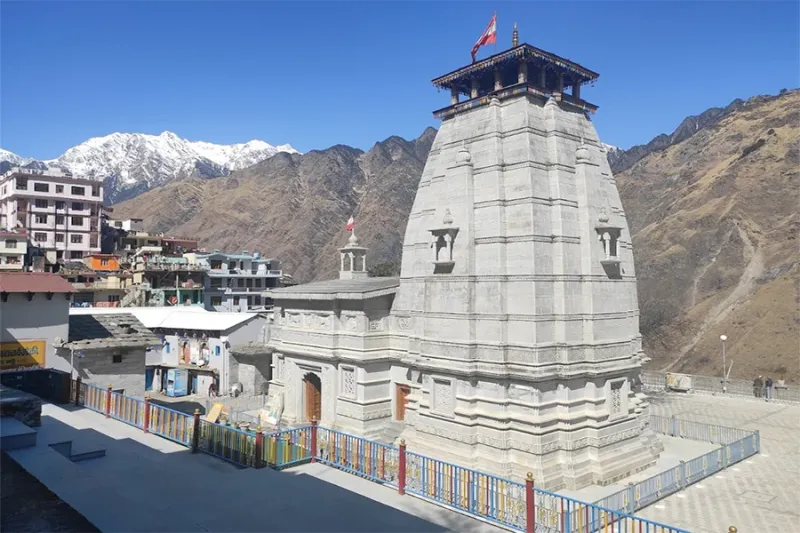
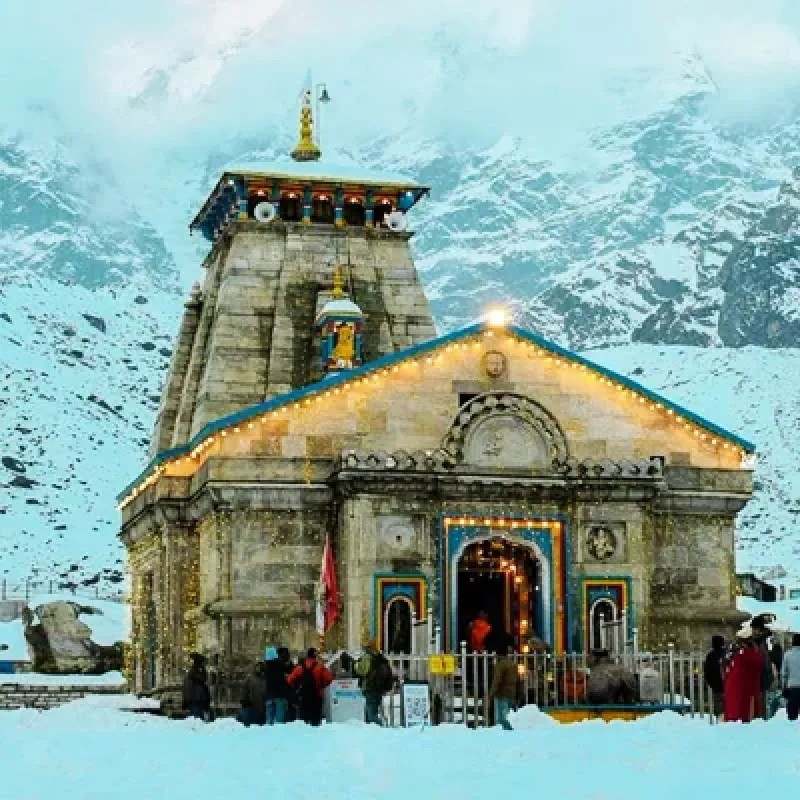
During winter, the deity from Kedarnath is worshipped here.
That's one of the reasons many pilgrims make time for Ukhimath, especially during the winter months.
Beyond the temple, the town works well as a base for exploring nearby destinations.
Many travelers choose to stay here instead of returning to Rudraprayag after visiting Chopta or Deoria Tal.
The surrounding views don't hurt either.
Entry Fee: Free
Time Needed: 1–2 Hours
Best Time: Throughout The Year
7. Deoria Tal
Some places live up to the photos. Others feel completely different once you're standing there.
Then there are places that genuinely look like the photos.
Deoria Tal belongs in the second category.
When the weather cooperates, the lake reflects the surrounding Himalayan peaks with remarkable clarity.
The catch is timing.
Cloud cover can completely change the experience.
That's why many travelers prefer arriving early in the morning.
Entry Fee: Applicable
Time Needed: Half Day
Best Time: Sunrise Hours
8. Chopta
People often call Chopta the "Mini Switzerland of India."
The nickname doesn't really explain why people like it.
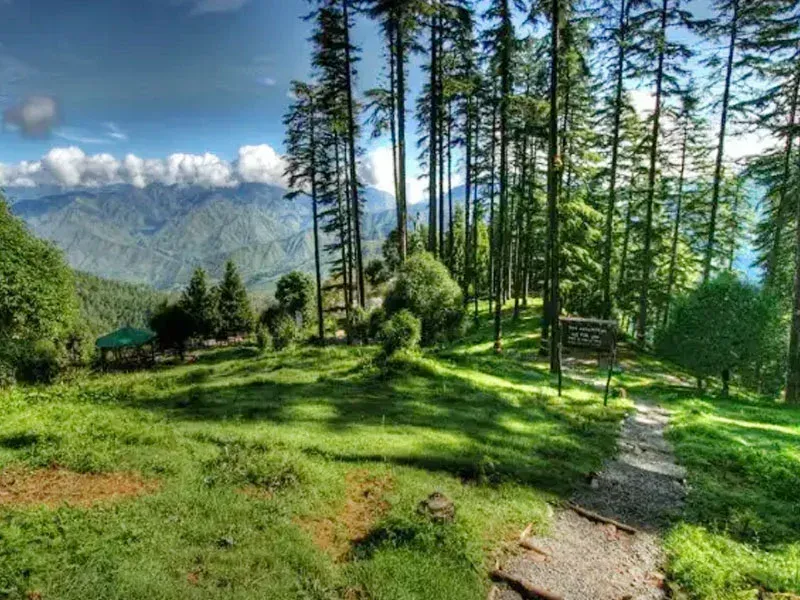
What draws most people here isn't a single viewpoint but the mix of forests, grassy clearings, fresh mountain surroundings, and scenic walking trails.
Even the drive feels scenic.
The drive itself is part of the experience. Dense forest stretches appear along the route, and the mountain views begin opening up little by little as the road climbs higher.
For many visitors, Chopta ends up becoming the highlight of the trip.
Entry Fee: Free
Time Needed: Full Day
Best Time: October to April
Things To Do In Rudraprayag
Spend An Evening Near The Sangam
Most people stop for a few photos and leave. Giving the place a little more time usually feels more rewarding.
As daylight fades, the atmosphere changes completely.
The river sounds become more noticeable and the crowds begin to disappear.
Watch Sunrise From Kartik Swami
Mountain sunrises feel different when you're above the valleys rather than inside them.
The changing colors across the peaks often become the highlight of the day.
Drive Towards Chopta
The destination is beautiful.
The journey is equally rewarding.
Several viewpoints appear unexpectedly along the route.
Explore Local Markets
Small mountain towns reveal their character through their markets.
Spend some time walking instead of rushing through.
Start Your Day Early
In Uttarakhand, early mornings often provide clearer skies, lighter traffic, and better visibility.
Rudraprayag Sightseeing Overview
A typical Rudraprayag sightseeing itinerary combines natural attractions, temples, scenic drives, and nearby mountain destinations.
Popular sightseeing routes usually include:
-
Rudraprayag Sangam
-
Koteshwar Mahadev Temple
-
Dhari Devi Temple
-
Augustmuni
-
Ukhimath
-
Kartik Swami
-
Chopta
-
Deoria Tal
Trying to cover all of them in one day rarely works.
Sample 2 Day Rudraprayag Itinerary
Day 1: Local Sightseeing & Spiritual Attractions
Morning
Arrive in Rudraprayag and check into your hotel.
Visit Rudraprayag Sangam before heading towards Koteshwar Mahadev Temple.
Afternoon
After lunch, continue towards Dhari Devi Temple.
Spend some time exploring Augustmuni before returning.
Evening
Walk through the local market.
Enjoy the riverside atmosphere before dinner.
Day 2: Mountains, Views & Nearby Destinations
Early Morning
Start the day early and head towards either Kartik Swami or Chopta, depending on how you'd like to spend your time in the mountains.
Option 2
Early departures almost always lead to better weather and clearer views.
Afternoon
Visit Deoria Tal and spend time around the lake.
Continue towards Ukhimath.
Evening
Return to Rudraprayag or continue towards your next destination.
Want This Itinerary Customized?
The itinerary above works as a starting point.
But in reality, most trips change a little.
Some families don't want long drives every day. Couples often prefer spending more time around Chopta or booking a quieter stay with mountain views. Travelers heading towards Kedarnath usually care more about temple timings than sightseeing spots.
That's why we usually adjust the route, stay location, and sightseeing order based on who's actually travelling.
A small change in planning can save several hours on the road.
What Usually Comes With A Rudraprayag Package?
Most people aren't looking for dozens of inclusions.
They just want the trip to run smoothly.
Accommodation is arranged based on the kind of stay you're comfortable with. Some travelers like being close to the market because everything is nearby. Others prefer staying slightly outside town where it's quieter and the views are better.
Breakfast is generally included since many people leave early in the morning for sightseeing or onward journeys.
Transport can also be arranged for local sightseeing and nearby places like Chopta, Ukhimath, and Deoria Tal. The exact route is usually planned around weather conditions, road timings, and how much you want to cover each day.
What Is Usually Not Included?
Things like shopping, personal expenses, extra meals, and activity charges are normally kept separate.
The idea is simple.
You only pay for the experiences you actually want instead of having everything bundled into the package price.
Rudraprayag Trip Cost
People often ask for a fixed trip cost.
The reality is that two travelers visiting Rudraprayag on the same dates can end up spending very different amounts.
The biggest difference usually comes from where you stay.
A basic hotel near the market will cost far less than a valley-facing property. The same applies to transport. Shared travel keeps costs lower, while private vehicles add flexibility but increase the budget.
For a rough idea:
Budget Trip
₹4,500 – ₹8,000 per person
Mid-Range Trip
₹9,000 – ₹15,000 per person
Premium Trip
₹18,000+ per person
The final amount usually depends on:
-
Hotel category
-
Travel month
-
Private cab requirements
-
Group size
-
Nearby destinations included
-
Weekend or holiday travel dates
Need A Cost Estimate?
Share your travel dates and the number of people travelling.
We'll help you understand what kind of budget is realistic before you start booking hotels or transport.
Who This Package Works Best For
Families
Families usually enjoy Rudraprayag because the trip doesn't need to feel rushed. You can combine temples, viewpoints, local sightseeing, and short drives without spending the entire day in a vehicle.
Couples
If you're looking for nightlife or crowded hill stations, this probably isn't the place.
People who enjoy quieter mountain towns often connect with Rudraprayag more than the busier hill destinations.
First-Time Visitors
A planned route helps avoid unnecessary backtracking and makes the trip feel far more relaxed.
Pilgrimage Travelers
Many travelers stop here while visiting Kedarnath.
Adding an extra day often allows enough time to explore nearby places instead of simply passing through.
Where To Stay In Rudraprayag
Rudraprayag Town
Works best if you want easy access to restaurants, shops, and local sightseeing spots.
Ukhimath
A better choice if Chopta, Deoria Tal, or Tungnath are high on your list.
You'll spend less time driving compared to staying in Rudraprayag town.
Chopta
Most people stay here for the views.
Early mornings feel completely different when you're already surrounded by forests and mountain landscapes.
Riverside Stays
Good for travelers who prefer quieter surroundings over market areas and traffic noise.
Places To Visit Near Rudraprayag
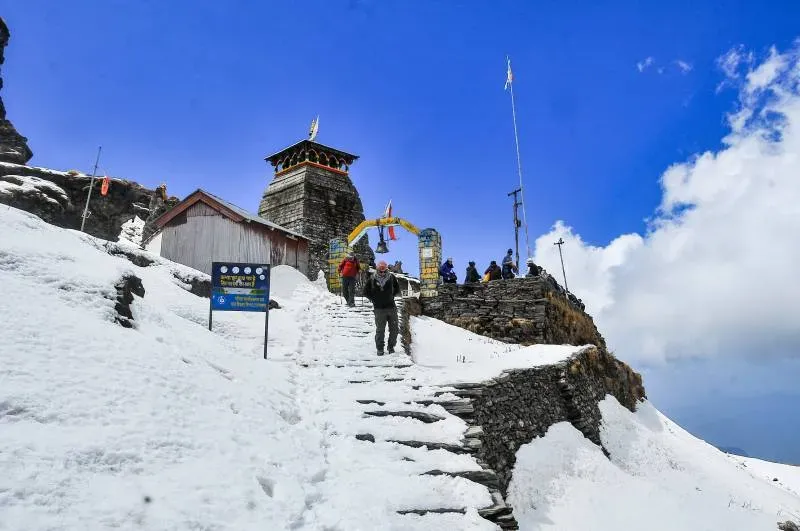
Tungnath
Most people come for the trek, but the views along the way are often what they remember most.
Kedarnath
One of the main reasons many travelers pass through Rudraprayag in the first place.
If you're already visiting the region, it naturally becomes part of the journey.
Madhyamaheshwar
The route sees fewer visitors compared to the more famous circuits.
Chopta
A lot of people initially add Chopta as a short stop.
Then it ends up becoming the highlight of the trip.
The forests, meadows, trekking routes, and mountain views make it one of the most rewarding places to visit near Rudraprayag.
Best Time To Visit Rudraprayag
October To February
Clear mountain views and cooler temperatures make this one of the most popular periods.
Hotel prices can increase during holiday seasons.
March To June
Pleasant weather and comfortable sightseeing conditions.
Good for families and first-time visitors.
July To September
The landscape becomes greener after rainfall.
However, road conditions and weather should be monitored carefully.
Best Season For A Rudraprayag Tour
If you're planning sightseeing and day trips, October to April is generally when the weather feels most comfortable.
Travel Tips
-
Begin sightseeing early whenever possible.
-
Keep some flexibility in mountain itineraries.
-
Carry warm clothing even outside winter.
-
Check weather forecasts before heading towards higher elevations
Mistakes To Avoid
One of the biggest mistakes is treating Rudraprayag purely as a transit stop.
Another is trying to cover Chopta, Deoria Tal, Kartik Swami, and local sightseeing all in one day.
A cheaper hotel isn't always the better deal. Staying too far from the places you plan to visit can mean spending more time on the road every day.
Mountain trips usually feel better when there's room to slow down.
Plan Your Rudraprayag Trip The Right Way
The most memorable moments in Rudraprayag rarely come from checking attractions off a list.
They come from smaller experiences.
A quiet morning near the Sangam.
A clear reflection at Deoria Tal.
A mountain road that turns a routine drive into part of the trip.
Good planning helps create more of those moments.
If you're looking for a Rudraprayag tour package, family holiday, couple's getaway, or sightseeing trip, we can help build a plan that fits your travel style, budget, and schedule.
Share your travel dates and what kind of trip you're planning, and we'll help put together a Rudraprayag itinerary that fits your pace, interests, and budget.
Our Most Popular Packages
Kedarnath Badrinath Tour Package from Delhi
Haridwar,Guptkashi,Kedarnath,Rudraprayag,Badrinath,Joshimath,Rishikesh
Top Destinations