About Kedarnath
Kedarnath Tour Package: Places to Visit, Trip Plan & Cost
A Kedarnath trip rarely feels ordinary once the mountains begin taking over the route.
The roads start narrowing after Rishikesh, rivers keep following the highway for hours, and the journey slowly shifts from normal travel into something far more physical and emotional.
Most people initially think of Kedarnath as only a temple visit.
But after actually doing the route, the experience usually feels much bigger than that.
Cold air around Sonprayag before sunrise.
Tea stalls filled with tired trekkers near Gaurikund.
The silence that suddenly appears once the climb toward Kedarnath properly begins.
Those small moments stay longer than many travelers expect.
That’s also why rushed plans often feel disappointing.
People try covering Haridwar to Kedarnath too quickly, underestimate mountain road timing, book random stays without understanding the route, and spend more energy managing exhaustion than enjoying the journey itself.
A properly planned Kedarnath tour package works differently.
The focus should be on pacing the trip realistically — not squeezing every stop into a tight itinerary.
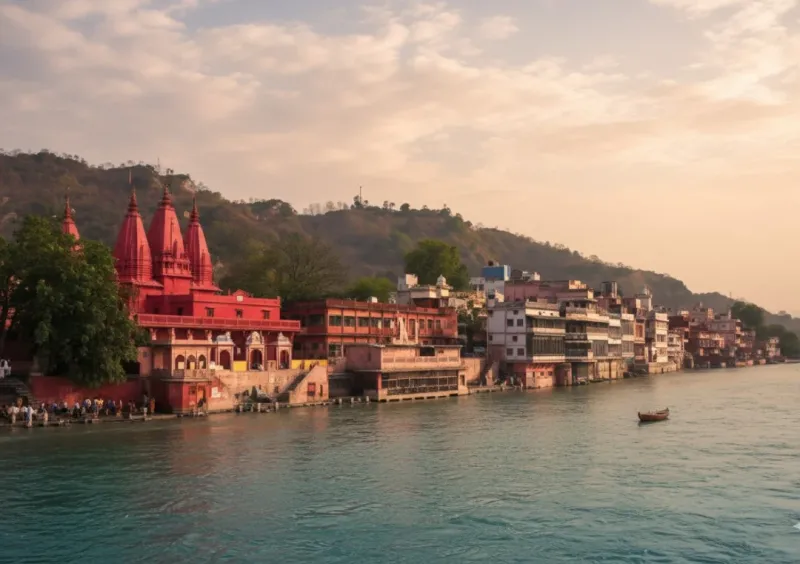
Whether you're planning a Kedarnath trip from Delhi, searching for a Kedarnath trek package, or combining Kedarnath and Badrinath in one route, timing changes the entire experience.
Quick Snapshot
Quick Planning Help
Most people already know they want to visit Kedarnath.
The confusion starts after that.
Should the trip include Badrinath too?
Is helicopter travel actually worth the cost?
Where should the stay be booked — Guptkashi, Sonprayag, or near the temple route?
How difficult does the trek really feel for beginners?
Small decisions affect this trip far more than people expect.
Even leaving Haridwar a few hours late can completely change how tiring the next day feels in the mountains.
That’s why proper route planning matters more than adding extra sightseeing spots.
A well-paced Kedarnath package should consider:
-
weather conditions
-
travel month
-
trek stamina
-
family vs couple travel style
-
hotel location
-
road timing
The goal isn’t just reaching Kedarnath.
It’s making the full journey feel manageable once mountain travel actually begins.
Why Visit Kedarnath
Kedarnath doesn’t feel like a regular tourist destination.
Some parts of the journey feel chaotic:
-
traffic buildup near Sonprayag
-
pony movement during peak yatra season
-
weather delays
-
crowded temple routes during daytime
Then suddenly the atmosphere changes.
By evening, movement around the temple starts slowing down.
That contrast stays with people.
Not just the darshan itself.
The road journey, the climb, the changing weather, the overnight stays — all of it becomes part of the experience.
A Kedarnath trip usually feels far better when the itinerary leaves space for:
-
slower mornings
-
proper rest after trekking
-
weather flexibility
-
one peaceful overnight stay near the temple
Trying to rush everything into two days usually turns the trip into nonstop movement instead of an actual mountain experience.
Best Places to Visit in Kedarnath
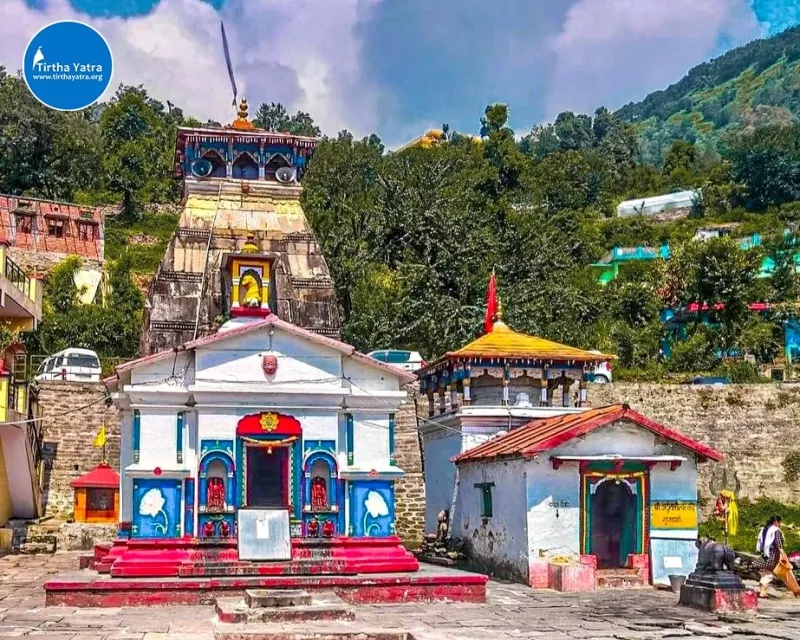
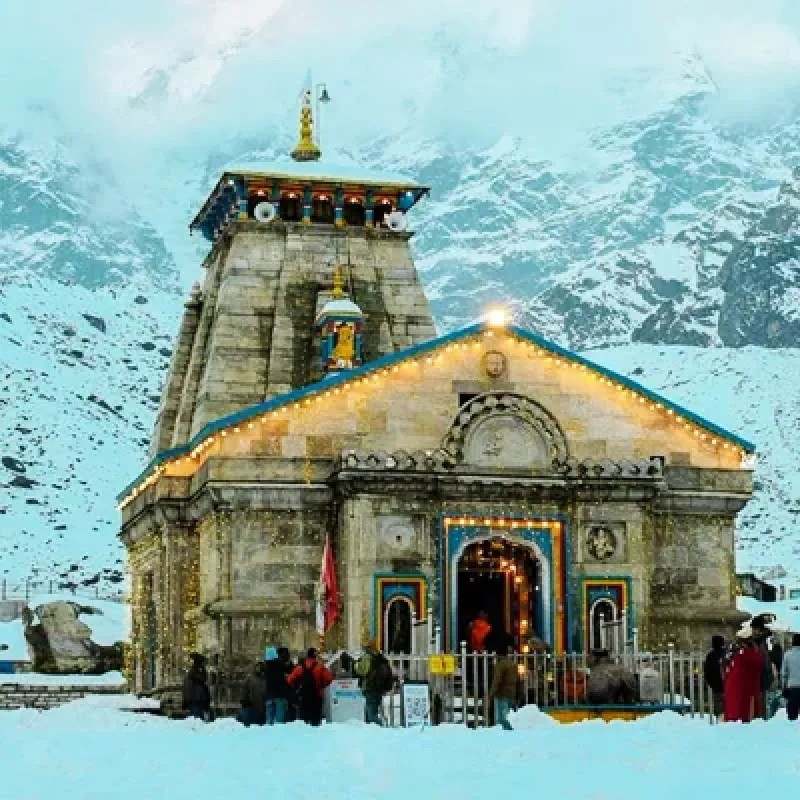
1. Kedarnath Temple
This is the main reason people make the journey.
But the atmosphere changes heavily depending on timing.
Before sunrise, the area feels calmer and colder. You mostly hear temple bells, footsteps, and mountain wind moving through the valley. By late morning, crowd movement increases rapidly during yatra season.
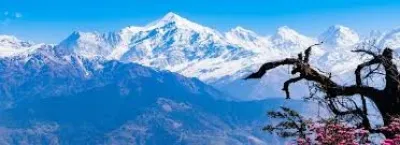
The mountains behind the temple are what truly shape the experience.
Photos rarely capture the scale properly.
Experience
-
Temple darshan
-
Spiritual atmosphere
-
Himalayan mountain surroundings
Time Needed
2–4 hours depending on crowd
Best Time
May–June and September–October
Entry Fee
Free
Practical Observation
Many travelers leave immediately after darshan. Staying one evening near Kedarnath usually makes the trip feel far less rushed.
2. Gaurikund
This is where the road journey ends and the actual trek begins.
Before sunrise, the entire area slowly becomes active:
-
tea stalls opening
-
registration counters getting busy
-
trekkers preparing backpacks
-
pony routes starting movement
By morning, the route becomes much more crowded.
Experience
-
Trek starting point
-
Pilgrim atmosphere
-
Hot spring surroundings
Time Needed
1–2 hours before trek
Best Time
Early morning departure
Important Reality
Late trek starts often become exhausting because weather conditions usually become harsher later in the day.
3. Bhairavnath Temple
A short uphill walk from Kedarnath Temple.
Most tired travelers skip it after the trek, which is exactly why the place feels quieter compared to the main temple area.
The mountain views from here feel wider and less crowded.
Time Needed
45 minutes
Best Time
Morning or evening
Entry Fee
Free
4. Vasuki Tal
Mostly preferred by trekkers and slower travelers.
This is not a casual sightseeing stop. The route feels much tougher compared to the standard Kedarnath trail.
Experience
-
High-altitude lake views
-
Remote Himalayan surroundings
Best Time
Summer season
Important Note
Better suited for experienced trekkers.
5. Triyuginarayan Temple
Often added while returning from Kedarnath.
Compared to the main yatra route, the atmosphere here feels slower and quieter.
Experience
-
Ancient temple setting
-
Village surroundings
-
Peaceful stop during return journey
Time Needed
1 hour
Things to Do in Kedarnath
Start the Trek Before Sunrise
The route feels completely different before the crowd builds up.
Movement stays smoother, temperatures remain cooler, and the mountains usually stay clearer before cloud cover increases later in the day.
Spend One Evening Near the Temple
A lot of people rush back immediately after darshan.
That’s usually where the experience gets missed.
Evenings near Kedarnath feel calmer once the daytime crowd begins leaving.
Sit Quietly After Evening Aarti
You don’t really need to “do” anything during this time.
The cold mountain air, reduced movement, and silence around the valley create some of the strongest memories of the trip.
Notice the Route Between Haridwar and Kedarnath
The landscape keeps changing gradually:
-
river valleys
-
mountain bends
-
roadside towns
-
prayags
-
weather shifts every few hours
That transition becomes one of the most memorable parts of the Kedarnath journey itself.
Kedarnath Sightseeing Overview
Many Kedarnath sightseeing itineraries end up feeling exhausting because travelers often misjudge how much time mountain travel actually takes.
Distances may look manageable online, but actual movement takes much longer because of:
-
road traffic
-
weather interruptions
-
trek fatigue
-
slow uphill movement near Sonprayag and Gaurikund
A smoother Kedarnath trip flow usually looks like this:
Day 1 → Reach Guptkashi or nearby stay
Day 2 → Gaurikund and trek movement
Day 3 → Temple visit and controlled return
Day 4 → Nearby exploration or Badrinath extension
Day 5 → Return journey
That pacing usually feels far better than trying to complete the entire trip in a rushed weekend.
5 Day Kedarnath ItineraryDay 1 – Haridwar to Guptkashi
Morning
Departure from Haridwar or Rishikesh
Afternoon
Road journey via Rudraprayag
Evening
Hotel stay in Guptkashi / Phata
Day 2 – Gaurikund to Kedarnath Trek
Early Morning
Drive toward Sonprayag & Gaurikund
Afternoon
Trek toward Kedarnath
Evening
Temple visit and overnight stay
Day 3 – Kedarnath to Guptkashi Return
Morning
Darshan and nearby exploration
Afternoon
Return trek
Evening
Hotel rest
Day 4 – Optional Badrinath Extension
Works best for travelers combining:
-
Kedarnath and Badrinath tour package
-
Char Dham style routes
Experience
Mountain roads, spiritual stops, changing landscapes
Day 5 – Return Journey
Breakfast and return toward Haridwar / Rishikesh / Delhi.
Mid-Trip Planning Help
Most travelers don’t struggle with deciding whether to visit Kedarnath.
They struggle with:
-
wrong season expectations
-
poor trek pacing
-
unrealistic itineraries
-
bad hotel location choices
-
weather timing mistakes
If you want this planned properly, you can get a customized Kedarnath trip package with route pacing, stay suggestions, and weather-based planning.
What’s Included in This Kedarnath Tour Package
Stay
-
Budget hotels in Guptkashi
-
Riverside stays near Rudraprayag
-
Premium mountain-view properties
-
Basic guesthouses near Kedarnath Temple
Meals
-
Breakfast
-
Dinner depending on package category
Transport
-
Haridwar/Rishikesh pickup
-
Local sightseeing transport
-
Private cab options
-
Shared transport available
Activities
-
Kedarnath trek assistance
-
Route planning
-
Temple visit coordination
-
Optional Badrinath extension
Planning Support
-
Trek timing suggestions
-
Weather guidance
-
Stay-area recommendations
-
Crowd avoidance planning
We help structure the trip realistically — not just send a copied itinerary.
What’s NOT Included
-
Pony or palki charges
-
Helicopter tickets
-
Temple VIP darshan charges
-
Personal expenses
-
Travel insurance
-
Entry fees where applicable
-
Extra meals
-
Adventure activities
Sample 2 Day Kedarnath Package Plan
Day 1
Haridwar → Guptkashi → Sonprayag stay
Day 2
Early trek → Kedarnath darshan → Return
This works only for travelers comfortable with long movement hours.
For most families and first-time travelers, slower pacing feels much better.
Kedarnath Trip Cost
Budget Package
₹7,000 – ₹12,000 per person
Usually Includes
-
Basic hotels
-
Shared transport
-
Standard route planning
Mid-Range Package
₹14,000 – ₹24,000 per person
Usually Includes
-
Better hotel stays
-
Private transport
-
More relaxed pacing
-
Flexible stops
Premium Kedarnath Package
₹28,000 – ₹38,000+ per person
Usually Includes
-
Premium stays
-
Helicopter options
-
Dedicated vehicle
-
Comfortable transfers
What Changes the Kedarnath Trip Cost Most
-
Helicopter vs trek
-
Travel month
-
Hotel category
-
Group size
-
Weekend rush
-
Last-minute bookings
-
Kedarnath and Badrinath combination routes
May and June usually become expensive quickly because of peak yatra movement.
Planning Help
Not sure whether your Kedarnath trip should be:
-
trek-based
-
helicopter-based
-
family-paced
-
combined with Badrinath
Tell us your dates and budget.
Instead of offering a standard package, we help you choose the right route, suitable stay locations, and a travel pace that actually feels manageable.
Who This Kedarnath Package is Perfect For
Families
Better for travelers wanting structured planning and manageable pacing.
Couples
Especially those wanting a quieter spiritual mountain journey instead of crowded hill destinations.
First-Time Himalayan Travelers
A guided Kedarnath trip plan reduces stress heavily.
Spiritual Travelers
The slower you move here, the stronger the experience usually feels.
Why Choose This Kedarnath Tour Package
-
Realistic road timing planning
-
Trek pacing guidance
-
Better stay-area recommendations
-
Flexible customization
-
Weather-aware planning
-
On-ground coordination support
We’ve helped travelers avoid common mistakes like:
-
reaching Sonprayag too late
-
underestimating trek fatigue
-
booking poor stay locations
-
rushing Kedarnath and Badrinath together
Planning Experience
-
3,000+ Uttarakhand trips structured
-
Strong repeat traveler network
-
Seasonal route expertise
-
Practical mountain pacing instead of rushed sightseeing
Most travelers appreciate one thing most:
“Everything felt smoother than expected.”
Where to Stay During a Kedarnath Trip
Guptkashi
Best for:
-
comfortable stays
-
families
-
easier food access
Sonprayag
Best for:
-
early trek access
-
shorter morning movement
Can feel crowded during peak yatra season.
Kedarnath Temple Area
Best for:
-
spiritual atmosphere
-
evening experience
-
sunrise darshan
Basic facilities compared to lower-altitude towns.
Places to Visit Near Kedarnath
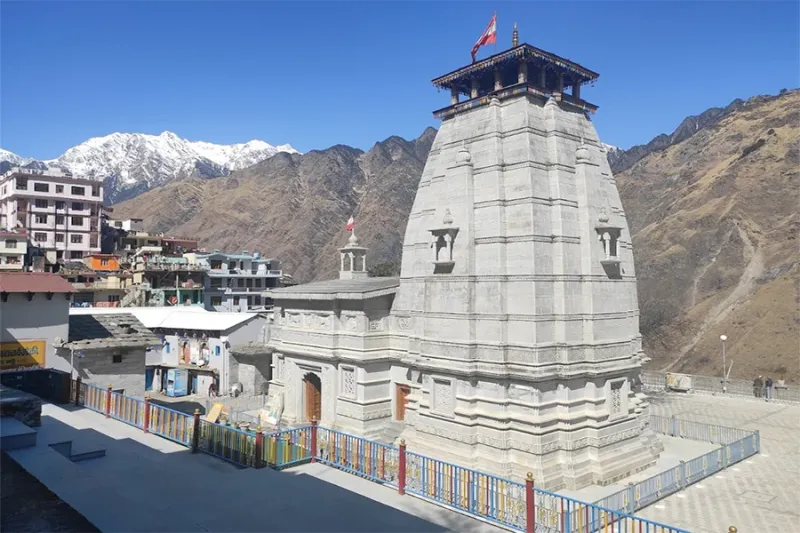
Badrinath
Most commonly combined with Kedarnath.
Keywords naturally covered:
-
Kedarnath and Badrinath package
-
Badrinath Kedarnath tour package
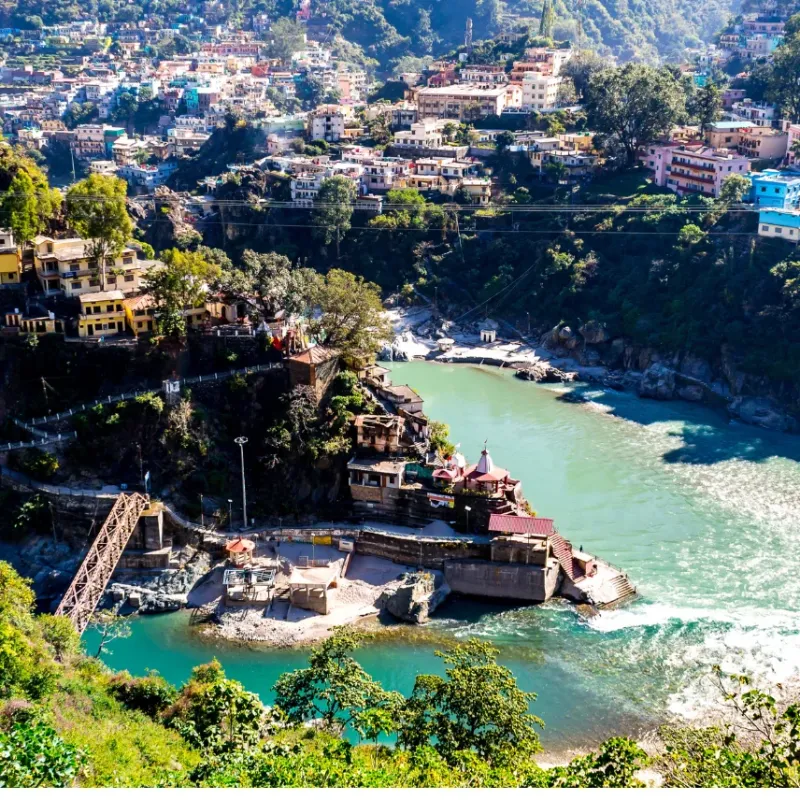
Rudraprayag
Usually crossed during the road journey.
The river confluence area becomes a natural stop during long drives.
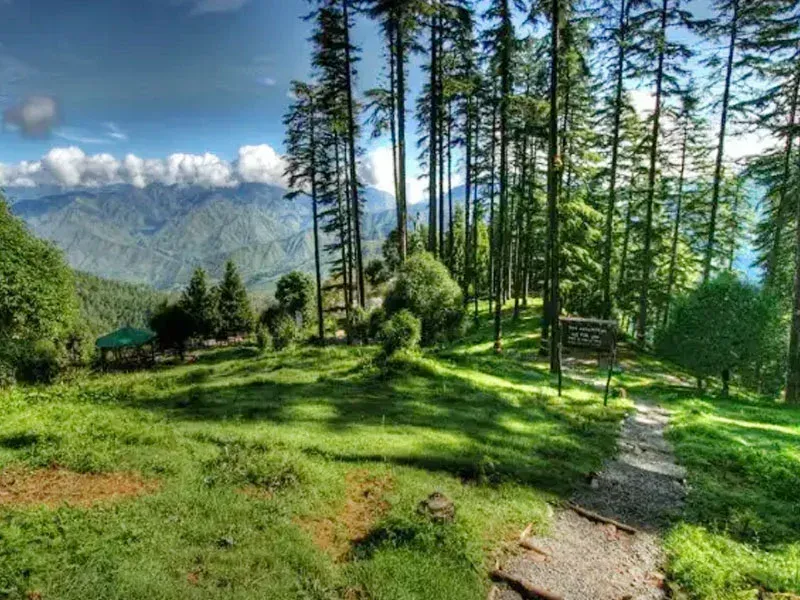
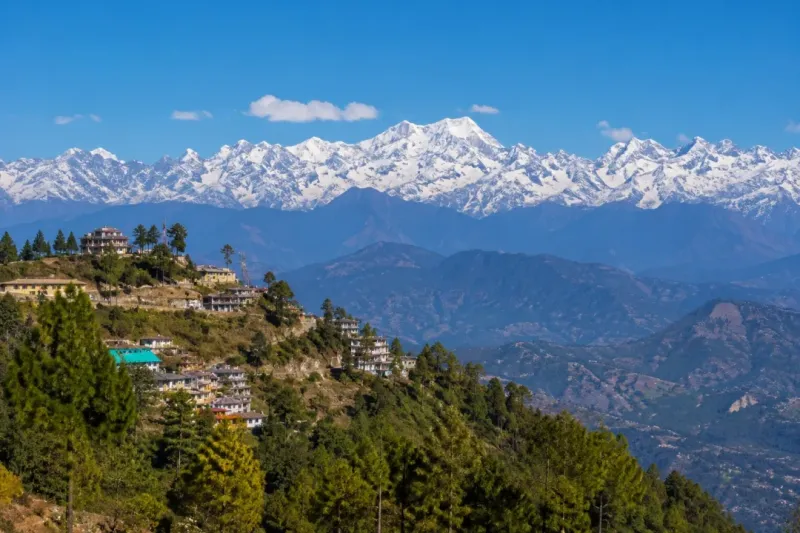
Chopta
Works well for travelers wanting quieter mountain landscapes after Kedarnath.
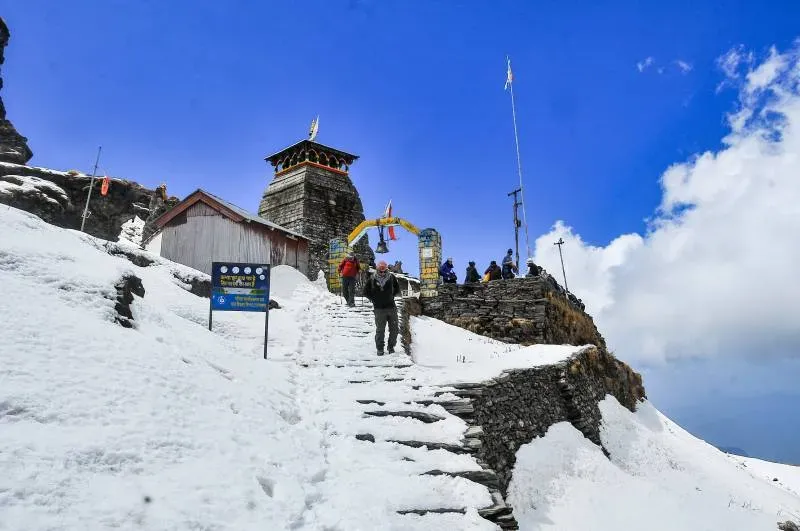
Tungnath
Popular among trekking travelers and photographers.
Guptkashi
Not just a stopover.
Morning mountain views here feel surprisingly peaceful before road movement begins.
Best Time to Visit Kedarnath
May to June
Most popular season.
Experience
-
temple opening season
-
manageable weather
-
active pilgrimage movement
Downsides
-
heavy crowd
-
higher hotel pricing
-
traffic delays
Keywords naturally covered:
-
best time to visit Kedarnath
-
Kedarnath visit best time
July to August (Monsoon)
Green landscapes become beautiful, but road risks increase.
Not ideal for relaxed travel planning.
September to October
One of the best-balanced periods.
Why Many Experienced Travelers Prefer It
-
cleaner mountain visibility
-
lower crowd than peak summer
-
calmer atmosphere
Winter (November–April)
Temple region becomes inaccessible because of snowfall.
Keywords covered:
-
visiting Kedarnath in December
-
Kedarnath visiting months
Travel Tips
-
Start road journeys early
-
Carry proper trekking shoes
-
Keep one weather buffer day if possible
-
Don’t overload the itinerary
-
Avoid relying completely on online snowfall predictions
-
Stay hydrated during the trek
Mistakes to Avoid
Treating Kedarnath Like a Weekend Trip
Mountain travel rarely moves according to city timing.
Booking Hotels Without Checking Location
Cheap pricing often means longer travel movement later.
Starting the Trek Too Late
Afternoon weather changes faster than many people expect.
Ignoring Fitness Preparation
Even moderate walking preparation helps significantly.
Trying to Rush Kedarnath and Badrinath Together
That usually turns the trip into continuous movement instead of an experience.
Final Thoughts
Most people don’t struggle with deciding whether Kedarnath is worth visiting.
They struggle with planning it properly.
Wrong season.
Rushed itinerary.
Poor hotel location.
Unrealistic trek expectations.
That’s where the trip either feels meaningful… or unnecessarily exhausting.
If you want a Kedarnath tour package planned around:
-
real road timing
-
better pacing
-
weather conditions
-
comfortable stays
-
your travel style
you can get a personalized Kedarnath trip plan instead of a copied template itinerary.
Tell us:
-
your starting city
-
travel month
-
trek or helicopter preference
-
budget range
We’ll help structure the route properly.
Our Most Popular Packages
Kedarnath Badrinath Tour Package from Delhi
Haridwar,Guptkashi,Kedarnath,Rudraprayag,Badrinath,Joshimath,Rishikesh
Top Destinations