Serolsar Lake Trek: Distance, Route & Complete Guide 2026
Introduction
The road to Jalori Pass (explore our Jibhi travel guide) itself feels like you’re going somewhere remote… but the real shift happens after you step out of your vehicle.
There’s no loud starting point for the Serolsar Lake trek. No signboards trying to grab attention. Just a narrow trail quietly entering the forest.
I remember standing there for a minute before starting. Not because it looked difficult — but because it looked… still.
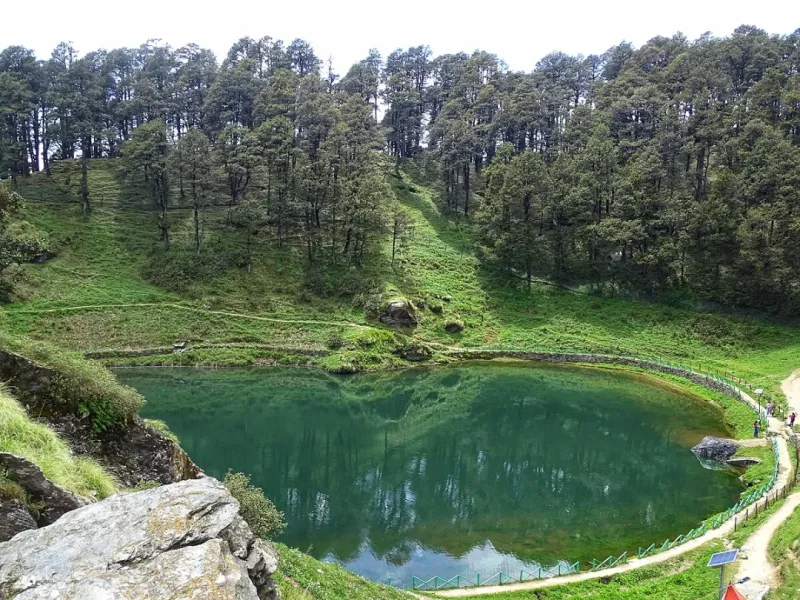
And that’s exactly how the entire walk feels. No rush, no noise. Just a steady path pulling you deeper into silence until the lake appears almost unexpectedly.
Why Serolsar Lake Feels Different
Around Jibhi (check things to do in Jibhi), everything is slowly becoming popular — cafés, stays, reels, all of it.
But once you reach Jalori Pass and step onto this trail, that noise disappears.
What stands out about Serolsar Lake Himachal Pradesh isn’t just the lake: It’s one of the peaceful experiences covered in our Himachal Pradesh travel guide.
-
The forest feels undisturbed, not curated
-
You don’t keep checking distance — you just keep walking
-
No vendors following you, no distractions
-
A quiet temple sitting beside the lake, blending in
-
Even the lake doesn’t try to “impress” — it just exists
It’s not dramatic. And that’s the whole point.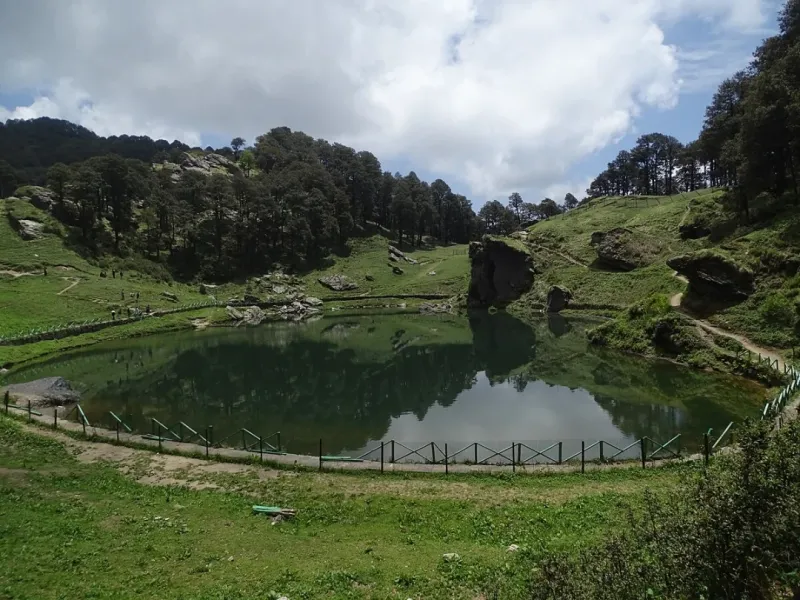
Serolsar Lake Trek Distance (What It Actually Feels Like)
Now honestly — the number “5 km” sounds easy.
But here’s the real feel:
-
First 1–2 km feels smooth and relaxed
-
Middle stretch feels longer because it’s repetitive forest
-
Last part feels easier again as the lake gets closer
So yes, it’s an easy trek, but don’t underestimate the walking time.
Jibhi lies in the Kullu region (see Kullu travel guide)
How to Reach Serolsar Lake (Without Confusion)
Step 1: Reach Jibhi
-
Delhi → Aut → Jibhi
-
Jibhi is where most people stay (see complete Jibhi travel guide)
Step 2: Jibhi to Jalori Pass
-
Distance: ~12 km
-
Takes around 1 hour due to steep curves
-
Road is narrow but manageable
Step 3: Trek Starts
-
No complicated entry
-
Trail begins directly near Jalori Pass top
This is the simple Serolsar Lake trek route
One thing people get wrong:
Jalori Pass distance looks short on Google Maps, but the drive is slow — plan accordingly.
If you're coming from outside, check this complete how to reach Himachal Pradesh guide.
Best Time to Visit Serolsar Lake Trek (Based on Experience)
April to June
-
Easiest trekking conditions
-
Comfortable temperature
This is also considered the best time to visit nearby places like Manali.
July to September
-
Forest looks dense and fresh
-
Trail becomes slippery
October to November
-
Probably the most peaceful time
-
Less people, clear skies
December to February
-
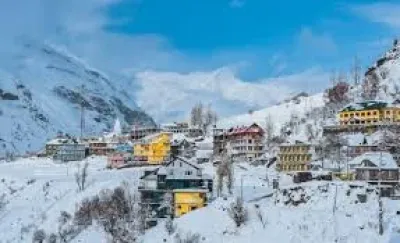
Snow changes the entire trail
-
Requires more effort
If you don’t want risk + still want a good experience, October works best.
Similar snowfall conditions can be seen in our Manali snowfall guide.
What the Trail Actually Feels Like
This is where most blogs go wrong — they overhype.
The reality is simpler.
You walk through:
-
Long forest sections where everything looks similar . This trail is often considered among the best places to trek in Himachal Pradesh.
-
Occasional clearings where light comes through
-
Wooden benches that feel oddly well-placed
-
Silence that doesn’t feel empty, just calm
At some point, you might even feel like,
“Is the lake really ahead or not?”
And then suddenly, it is.
No grand reveal. No crowd clapping.
Just water… still and quiet.
Things to Do at Serolsar Lake
Don’t expect activities.
-
Sit and just look around . Experiences like this define the real things to do in Himachal Pradesh.
-
Walk one full round of the lake
-
Spend time near the temple
-
Eat something simple
This place rewards patience, not planning.
Travel Tips You’ll Actually Use
-
Start early — not for crowd, but for comfort
-
Carry your own water (don’t depend on stalls)
-
Good shoes matter more than anything
-
No network — inform someone before going
-
Don’t rush back — give yourself time
2-Day Itinerary (Practical Plan)
Day 1: Reach Jibhi
-
Travel and check-in
-
Explore a bit, don’t overdo
-
Rest properly
Day 2: Jalori Pass + Trek
-
Leave early for Jalori Pass
-
Start trek by morning
-
Reach lake, spend time
-
Return by late afternoon
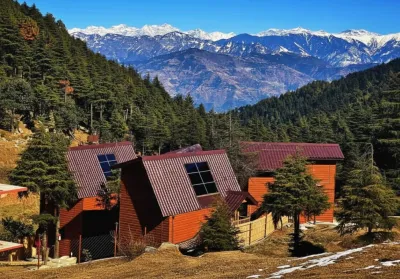
If possible, stay near Jalori Pass or Shoja — mornings there feel completely different.
Stay, Planning & Real Suggestion
A lot of people try to “cover” Jibhi, Jalori Pass, and Serolsar Lake quickly. All these places are part of the Kullu region (see Kullu travel guide)
But this place doesn’t work like that.
If you slow down and stay nearby, you’ll notice:
-
Roads are empty early morning
-
Forest feels more alive
-
You don’t feel rushed during the trek
If planning all this feels confusing — transport, timing, stays — having everything in one place (like Tejofy) can make things simpler without overplanning your trip.
Think of it more as support, not a package.
Internal Travel Flow (Smart Route)
If you’re coming here, plan like this:
-
Day 1: Day 1: Jibhi stay (explore Jibhi travel guide)
-
Day 2: Jalori Pass + Serolsar Lake
-
Day 3: Shoja / Tirthan Valley . You can extend your trip using the Manali to Tirthan Valley distance guide.
This region feels better when you don’t rush it.
Quick Info Table
If you just want the key details quickly, here’s a simple breakdown
Final Thoughts
This experience connects beautifully with places like Jibhi (travel guide), Kullu (explore guide), and the overall Himachal Pradesh travel guide.
There’s no big moment, no dramatic point where everything suddenly feels grand.
It’s just a steady walk… through a forest… towards a quiet lake.
And maybe that’s why it stays with you —
not because it impressed you,
but because it didn’t try to.