About Alwar
You don’t “arrive” in Alwar the way you do in Jaipur.
There’s no sudden burst of color or chaos.
Instead, the roads start getting quieter. The Aravalli hills slowly come into view. And before you realize it, the pace drops.
I remember reaching near Siliserh around late afternoon. No crowd, no noise, just still water and a faint breeze. That’s when it hits you—Alwar isn’t about ticking places. It’s about how slowly you experience them.
If you're searching for Alwar places to visit, planning an Alwar tour package, or looking for things to do in Alwar Rajasthan, this guide will help you avoid the usual mistakes and actually enjoy the place.
Planning an Alwar trip? Get your custom Alwar tour package with the right safari timing, stay location, and 1–2 day itinerary based on your travel dates.
QUICK SNAPSHOT (Feature Snippet Ready)
About Alwar (What It Actually Feels Like)
Alwar is not a “busy itinerary” city.
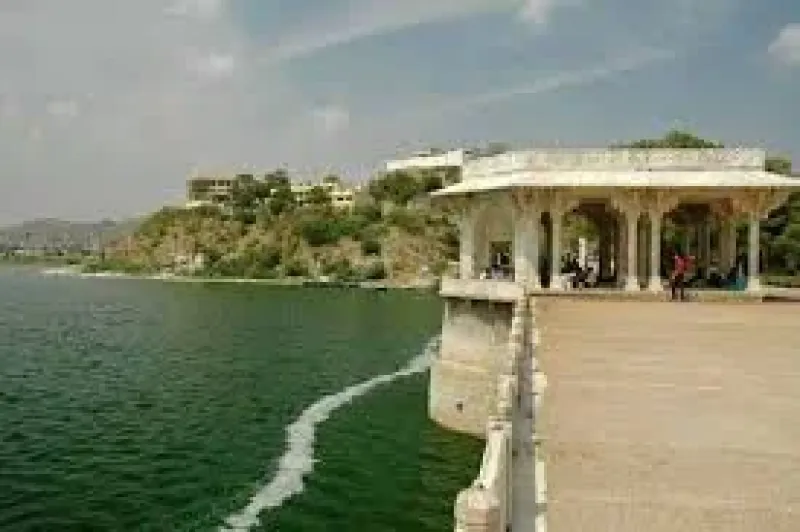
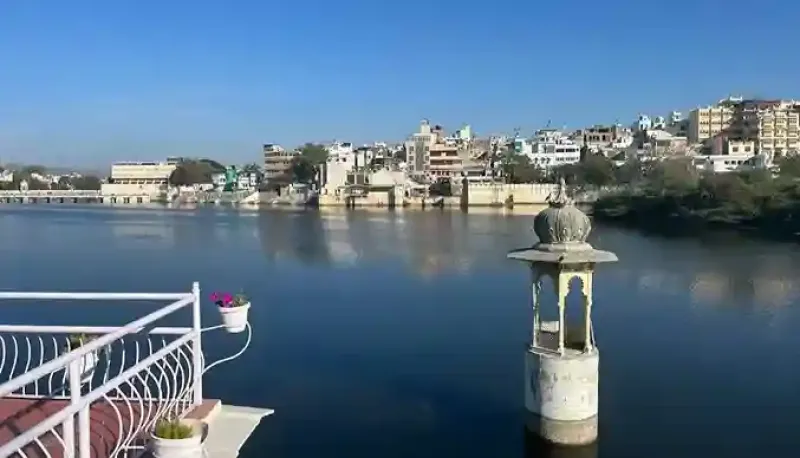
There’s space here—physically and mentally. Even inside the city, things feel spread out. Around Siliserh Lake, the air feels cooler, cleaner.
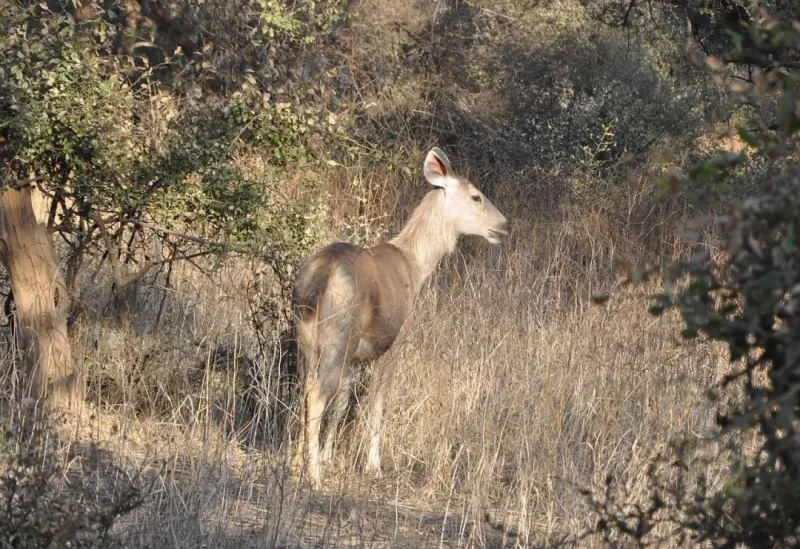
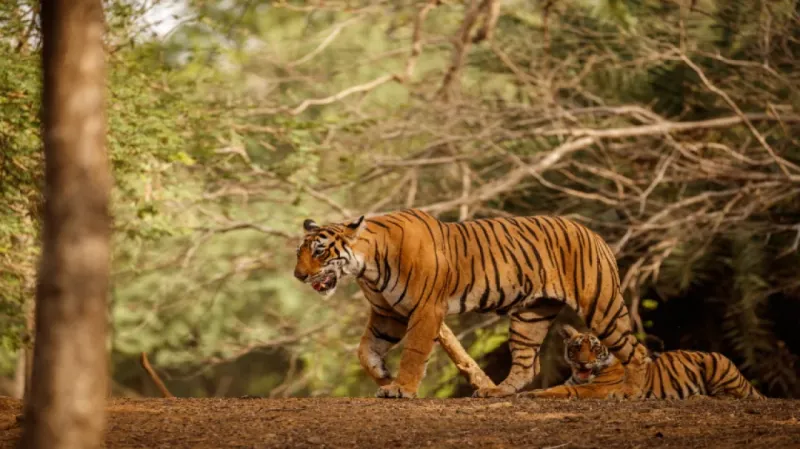
Then there’s Sariska Tiger Reserve. It doesn’t entertain you instantly. It makes you wait. And that waiting—early morning, jeep engine off, just forest sounds—is the actual experience.
This is what makes Alwar stand out among Alwar tourist attractions and hidden places to visit in Alwar.
Best Places to Visit in Alwar (Detailed, Real Experience)
These are the best places to visit in Alwar Rajasthan, also known as the top Alwar visiting places and Alwar tourist spots.
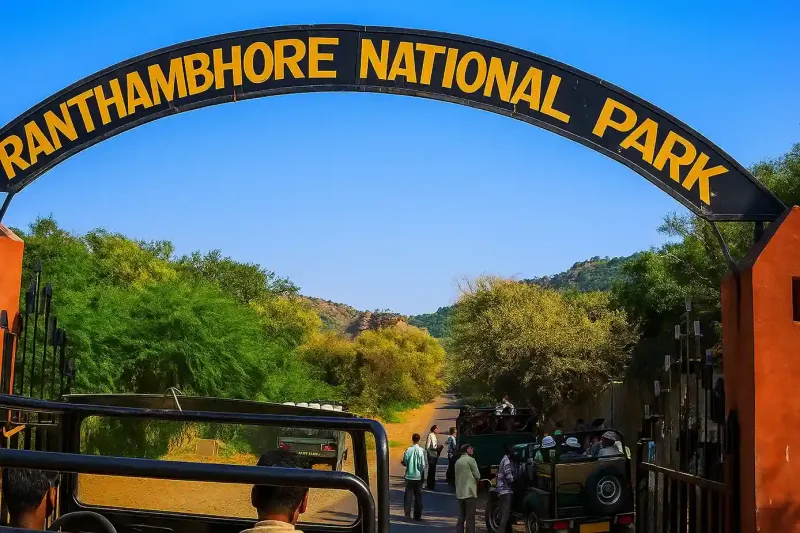
1. Sariska Tiger Reserve
This is the core of any Alwar trip and one of the most famous Alwar attractions.
But here’s the honest reality—most travelers expect a quick tiger sighting and leave disappointed. Sariska doesn’t work like that.
What actually matters:
-
Enter early (6–7 AM slot)
-
Book jeep safari, not canter if possible
-
Listen to the guide instead of chasing movement blindly
The forest feels dry, rugged, and raw. You’ll see peacocks, deer, langurs, and if you're lucky, a tiger crossing.
Sariska Tiger Reserve tickets (approx):
Time Needed: 3–4 hours
Most people struggle here with booking the right safari slot. Check availability and get a properly timed Alwar plan in 24 hours.
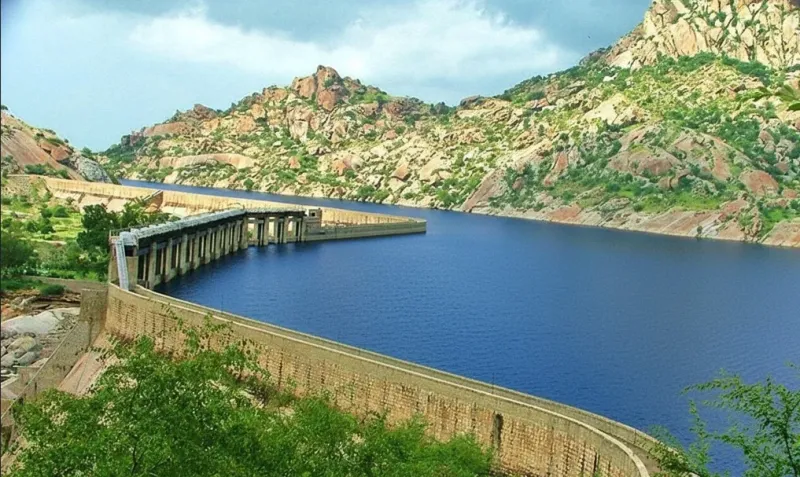
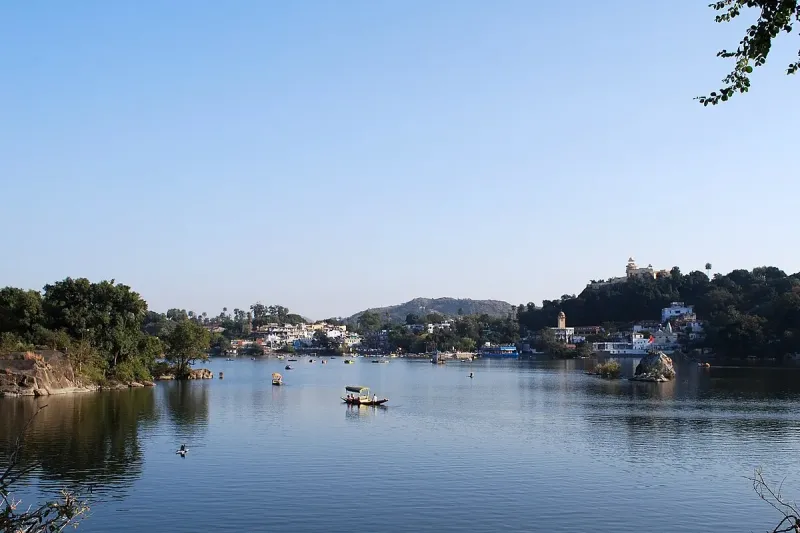
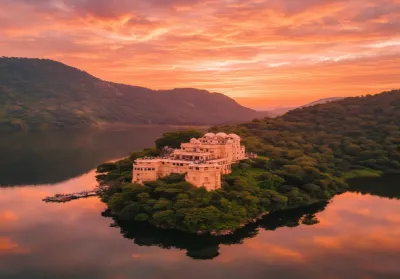
2. Siliserh Lake & Palace
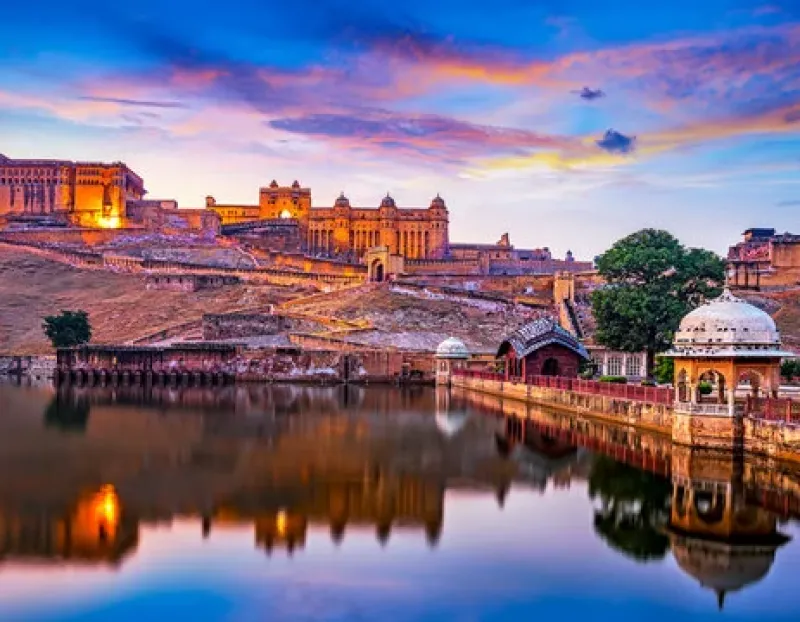
This is where Alwar becomes memorable and one of the best places to see in Alwar.
The road to the lake itself is part of the experience—narrow, slightly curved, surrounded by hills.
Once you reach:
-
Calm water with almost no disturbance
-
Occasional birds skimming the surface
-
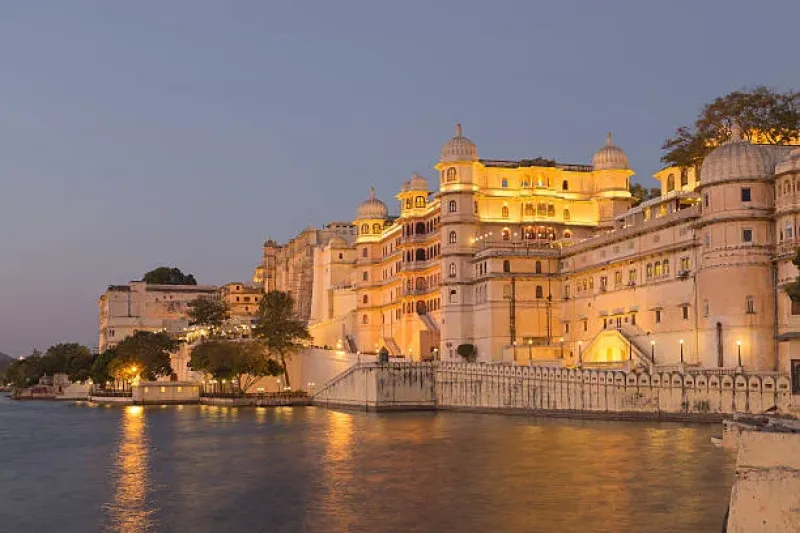
Palace reflection during sunset
This is also known as Siliserh Lake Alwar Rajasthan and Alwar Siliserh Lake Palace experience.
Most people rush this stop and leave in 20 minutes—that’s where the experience gets missed.
Best Time: Sunset or early morning
Time Needed: 1–2 hours
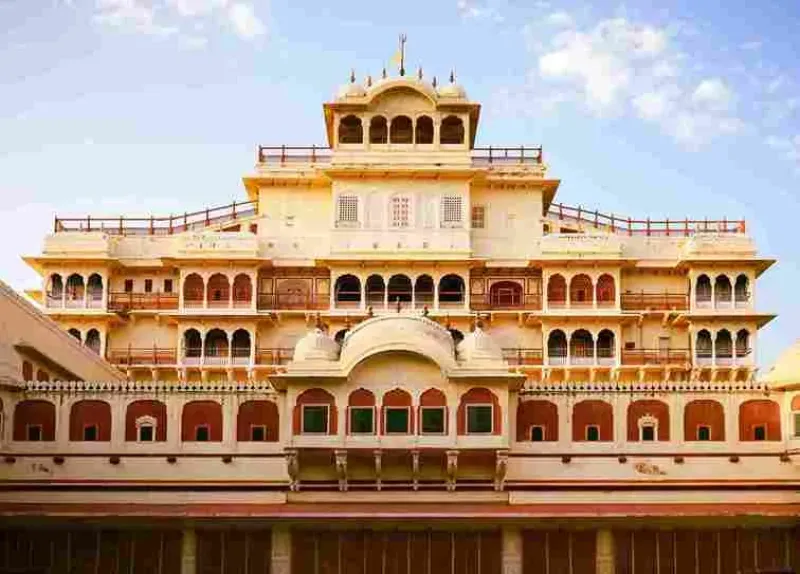
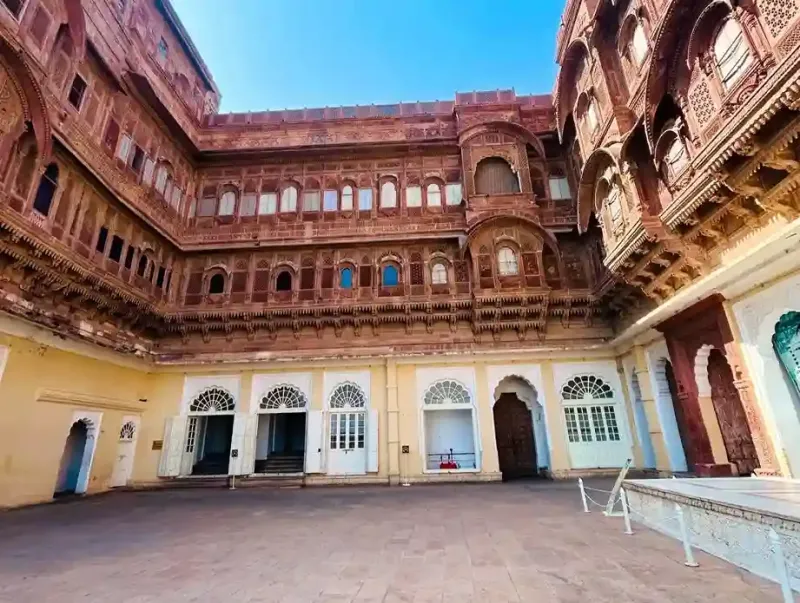
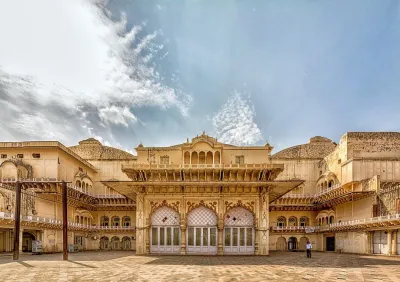
3. Alwar City Palace (Vinay Vilas Palace)
Also searched as Alwar City Palace Vinay Vilas Palace.
This place feels slightly confusing at first.
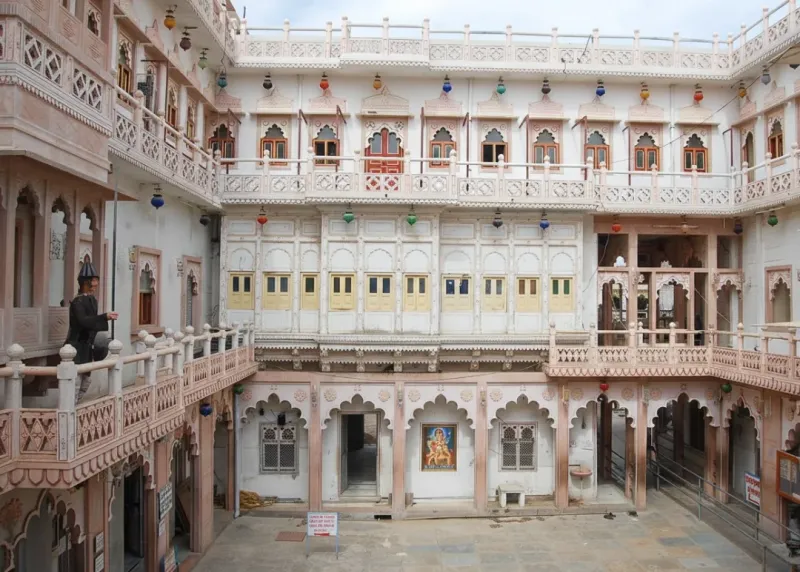
Part of it is a museum, part still used for administration. But once you slow down:
-
Old corridors
-
Traditional Rajasthani architecture
-
Quiet courtyards
Entry Fee:
Time Needed: 1–1.5 hours
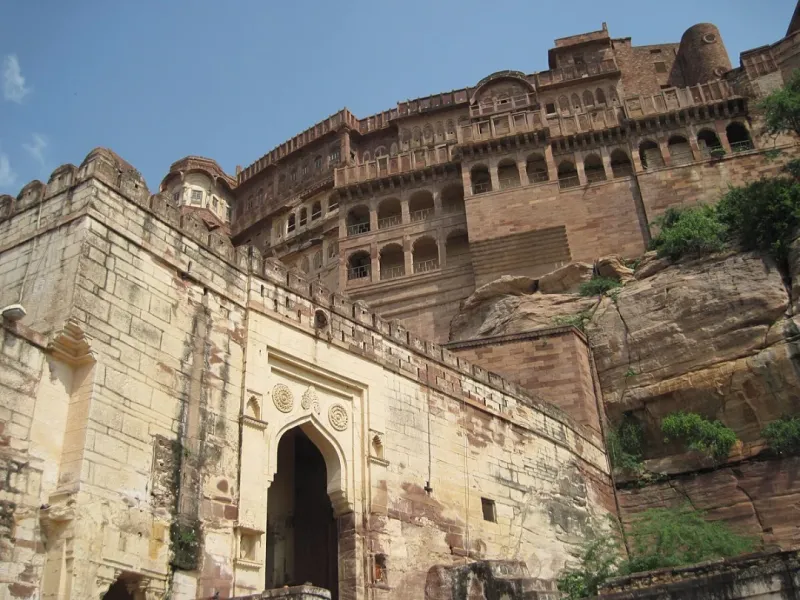
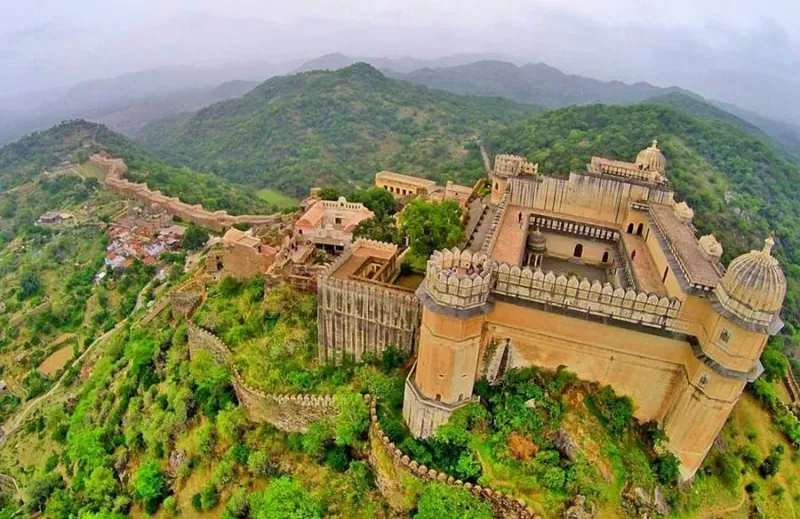
4. Bala Quila (Alwar Fort)
One of the top places to go in Alwar.
The drive up is half the experience.
The road is narrow and slightly broken in sections, but manageable.
At the top:
-
Wide panoramic view
-
Strong winds
-
Almost no crowd
Entry Fee: Free
Time Needed: 1–2 hours
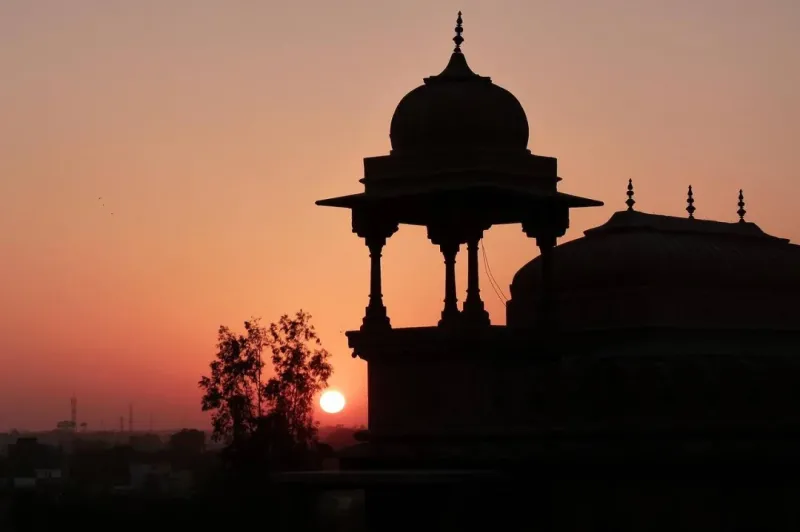
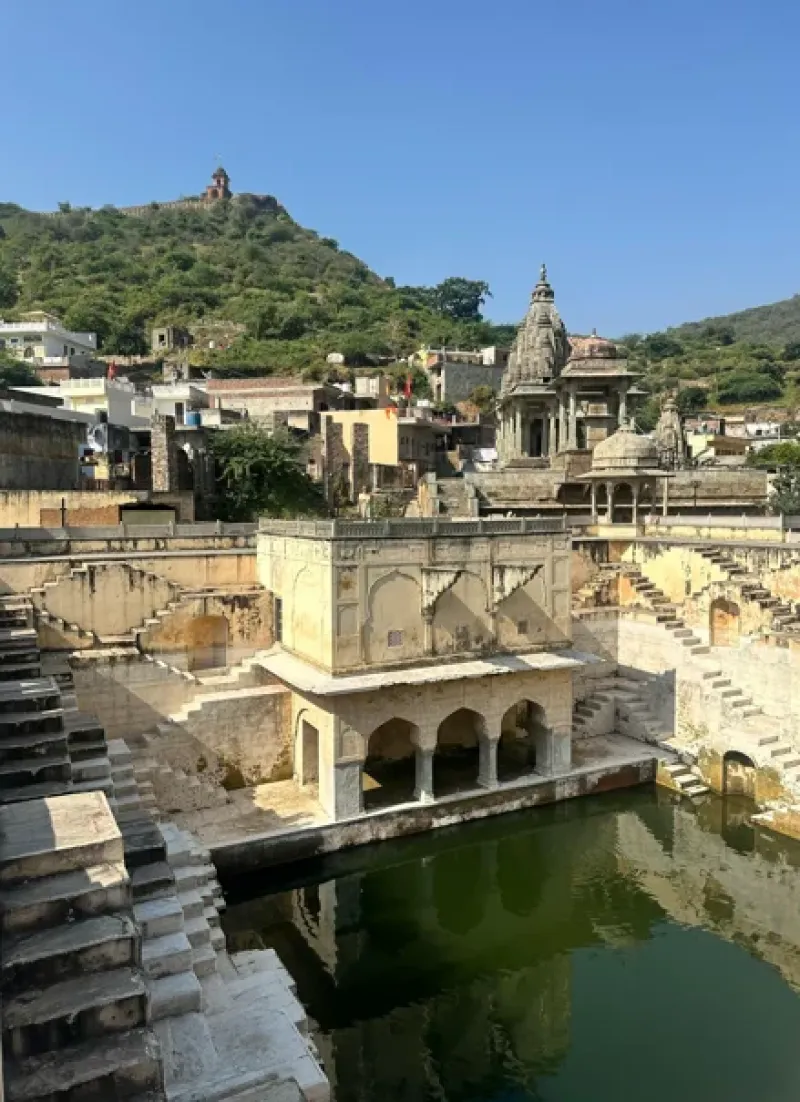
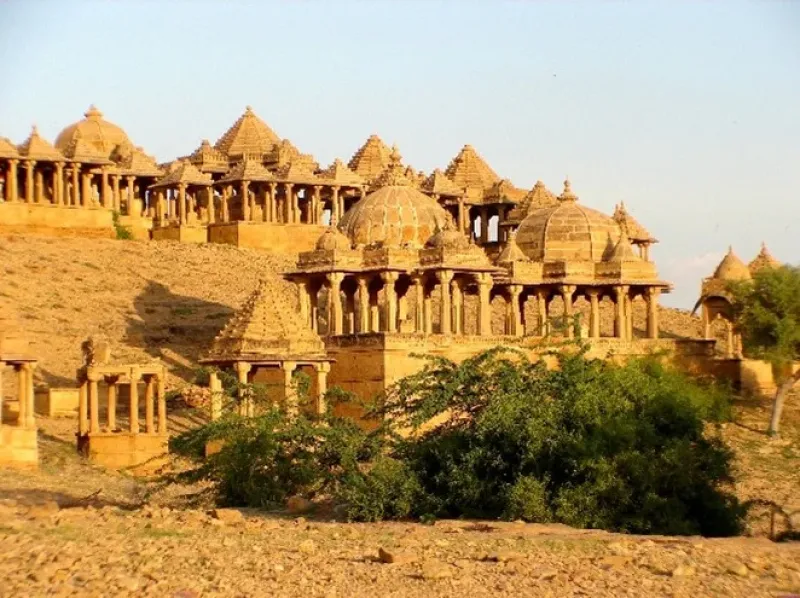
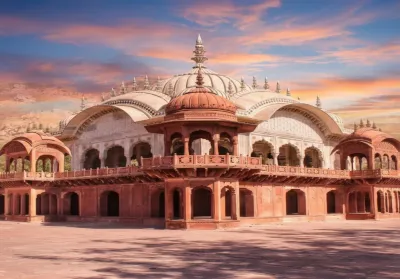
5. Moosi Maharani Ki Chhatri
One of the most underrated places of interest in Alwar.
Often skipped, but shouldn’t be.
The reflection, symmetry, and silence here make it one of the most photogenic spots.
Time Needed: 30–45 minutes
How to Reach Alwar
If you're planning an Alwar tour or checking how to reach Alwar, here’s the simple breakdown:
By Train
-
Alwar Junction Railway Station
-
Well connected to Delhi & Jaipur
By Air
-
Jaipur International Airport (nearest)
By Road
-
Delhi → ~4–5 hours
-
Jaipur → ~3 hours
Best Time to Visit Alwar
The best time to visit Alwar is October to March.
-
Winter → Best experience
-
Monsoon → Green but different safari conditions
-
Summer → Hot and tiring
What to Expect
-
Crowd: Moderate
-
Safety: Good
-
Effort: Medium
-
Experience: Depends heavily on timing
Things to Do in Alwar
These are the top things to do in Alwar and Alwar things to do:
-
Early morning safari
-
Sunset at lake
-
Fort exploration
-
Slow city walks
Also covers things to do in Alwar Rajasthan and nearby experiences.
Strong 2-Day Itinerary (Practical & Tested)
Day 1
-
Morning: Sariska safari
-
Afternoon: Rest
-
Evening: Siliserh Lake
Day 2
-
City Palace
-
Moosi Chhatri
-
Bala Quila
Quick Plan (If You Don’t Want to Read Everything)
-
1 day → possible but rushed
-
2 days → best experience
-
Stay near lake if possible
-
Book Sariska first, plan rest later
This solves most planning confusion for places to visit in Alwar in one day vs 2-day trips.
Alwar Tour Package (Detailed Breakdown)
If you're searching for an Alwar tour package, here’s what actually changes your trip:
Alwar isn’t complicated—but timing, stay location, and route flow decide whether it feels average or memorable.
2 Day Trip (Recommended)
Total:
-
Indian: ₹2500 – ₹6000
-
Foreigner: ₹4000 – ₹9000
Premium Experience
₹7000 – ₹12000+
Better stays, private safari, relaxed pace
Not sure what fits your plan? Get a personalized Alwar tour package based on your dates, budget, and safari availability.
Proof That This Approach Works
-
2,000+ Alwar and Sariska-based itineraries structured with timing-first planning
-
4.6★ average traveler feedback on wildlife + heritage trips
-
Strong repeat interest for weekend Delhi–Alwar getaways
-
Local coordination for Sariska safari slots, routes, and stay positioning
Most feedback comes down to one thing:
“The trip felt smooth because everything was timed right.”
What Travelers Usually Say (Real Concerns Addressed)
“We didn’t see much in Sariska.”
→ Fixed with correct safari slot + expectation setting
“We stayed in the city and missed the lake experience.”
→ Solved by recommending Siliserh-side stays
“Trip felt rushed and disconnected.”
→ Balanced 2-day structure improved flow
Plan With Clarity (Now Backed by Trust)
Instead of guessing your Alwar trip:
→ Get a custom Alwar tour package with correct safari timing
→ Choose the right stay (lake vs city based on experience)
→ Follow a plan that connects Sariska + city + lake properly
Where to Stay
-
Near Siliserh → best experience
-
City → budget option
Places to Visit Near Alwar
These are the top places to visit near Alwar Rajasthan and places near Alwar to visit:
-
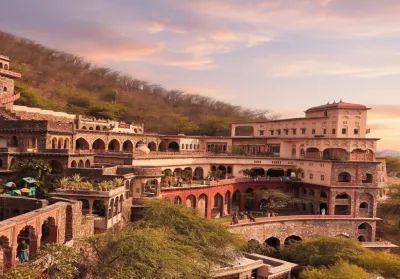
Neemrana Fort Palace
-
Bharatpur Bird Sanctuary
-
Jaipur
Mistakes to Avoid
-
Starting late
-
Expecting guaranteed tiger sightings
-
Skipping lake stay
-
Overpacking itinerary
Why Most Alwar Trips Feel Average
-
Late start → Sariska loses impact
-
Wrong stay → miss lake experience
-
Rushed itinerary → no real feel
Travel Tips
-
Start early
-
Carry water
-
Keep buffer time
-
Plan around safari
Final Thoughts
Most people don’t struggle with Alwar places to visit.
They struggle with planning it right.
Wrong safari timing → missed experience
Wrong stay → average trip
Rushed plan → no real feel
Tell us your travel dates and budget—we’ll create a custom Alwar tour package with the right safari slot, best stay location, and a perfectly timed 1–2 day itinerary within 24 hours.
More Attractions In Alwar
Top Destinations