About Banswara
Banswara: Rajasthan’s Lush Green Secret
Tucked away in the southern tip of Rajasthan, Banswara is a refreshing contrast to the golden deserts the state is famous for. Nicknamed the “City of Hundred Islands,” Banswara is a lush, green destination shaped by hills, rivers, tribal traditions, and untold legends. This offbeat gem offers a rich blend of nature, culture, and peace, perfect for travelers who want more than the usual touristy trail.
Legends and Lineage: The History Behind Banswara
Banswara was once ruled by Maharawal Jagmal Singh and is home to the indigenous Bhil tribe. Its name comes from “Bans,” meaning bamboo, and “Wara,” meaning place—an apt title considering the region was once densely covered in bamboo forests.
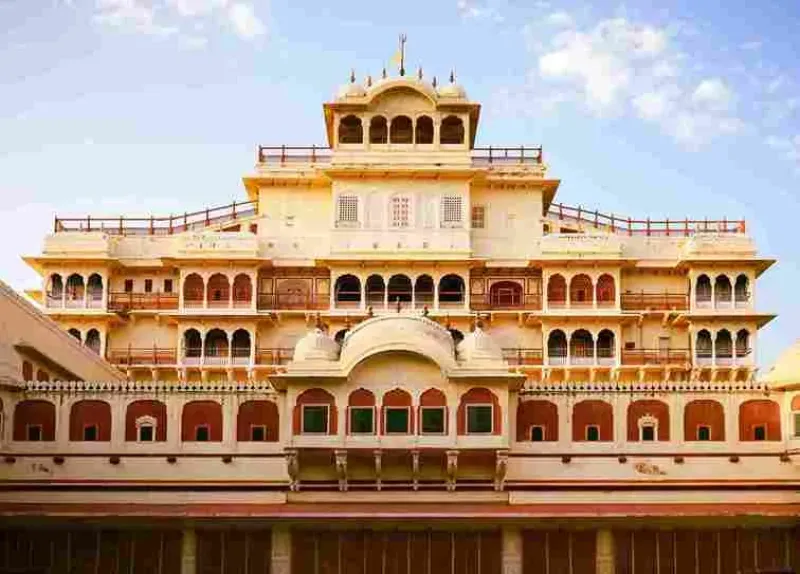
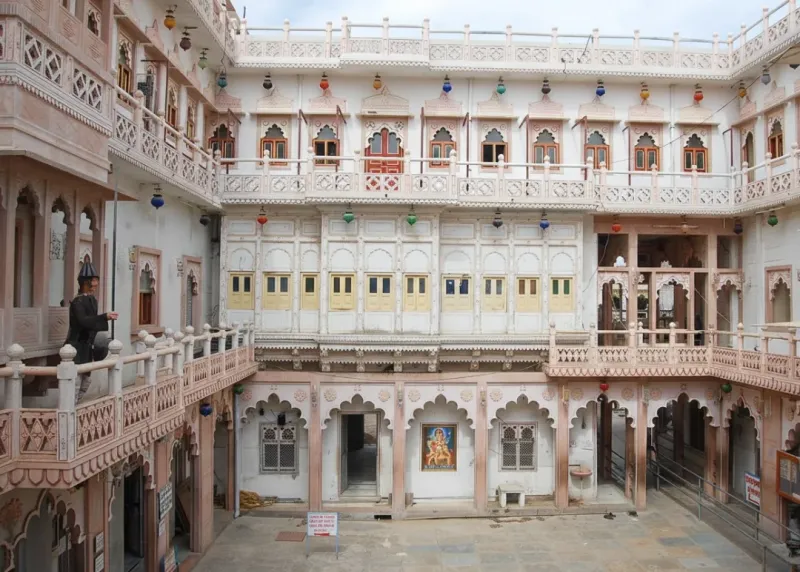
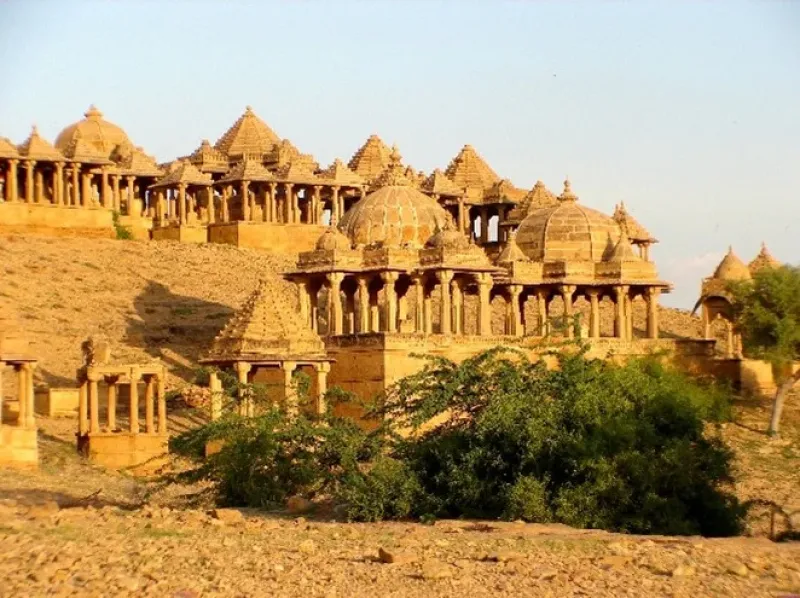
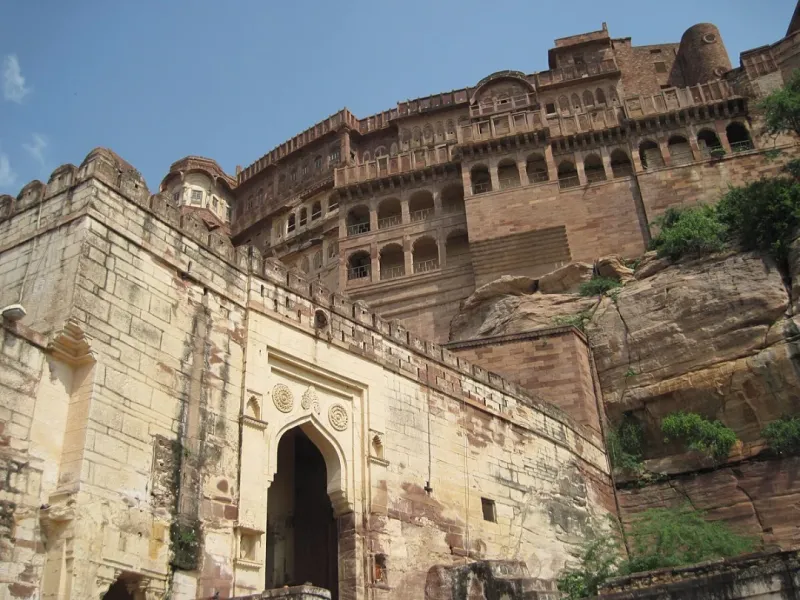
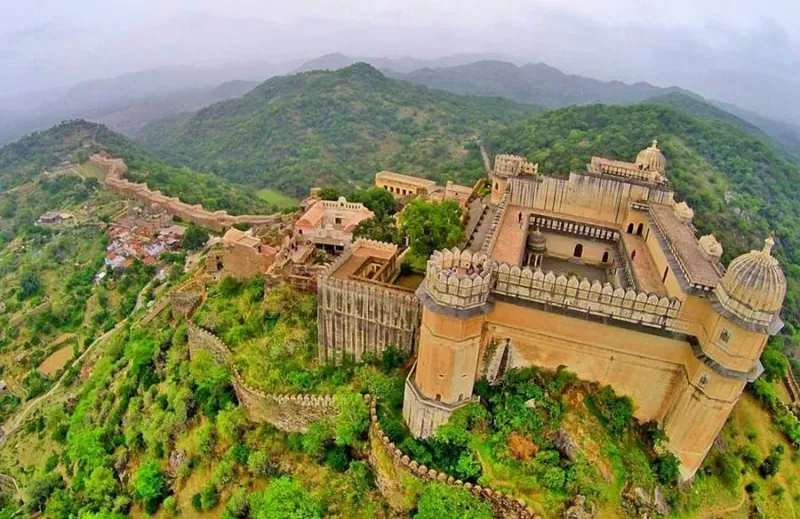
The town has a royal past entwined with tribal heritage, making it an interesting destination for history buffs. Remnants of old palaces and forts still stand as testimony to its princely days.
Tribal Trails: Experience the Vibrant Bhil Culture
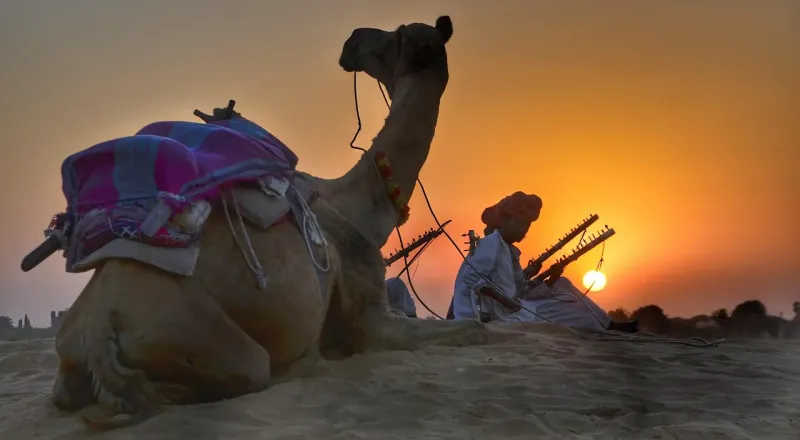
What sets Banswara apart from other Rajasthani towns is its thriving tribal culture. The Bhil community, known for their colorful attire and energetic folk dances, forms the cultural backbone of the region.
You can explore their unique way of life through guided village tours, interact with artisans, and witness traditional festivals like Ghotia Amba and Baneshwar Fair, where music, dance, and rituals paint a lively picture of tribal identity.
Banswara’s Natural Beauty: Hills, Waterfalls & River Escapes
Unlike the dry landscapes of Rajasthan, Banswara is cradled by the Aravalli Hills and fed by rivers like Mahi. The region bursts into greenery, especially during and after the monsoon, offering stunning sights.
-
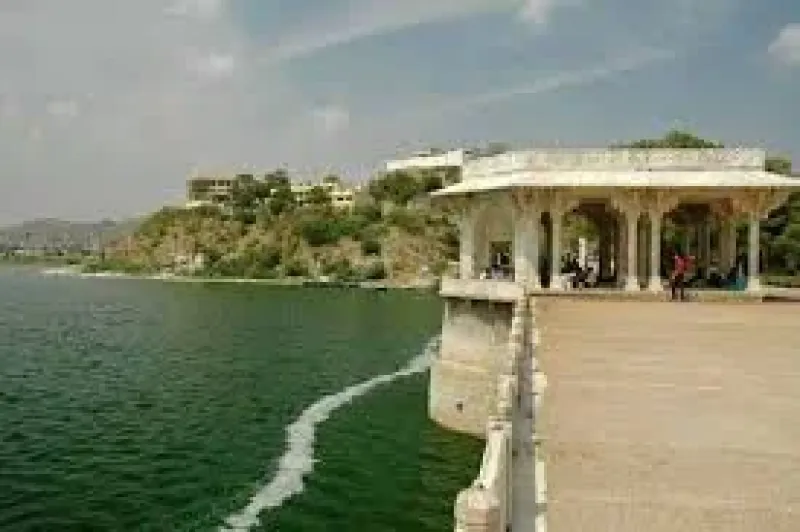
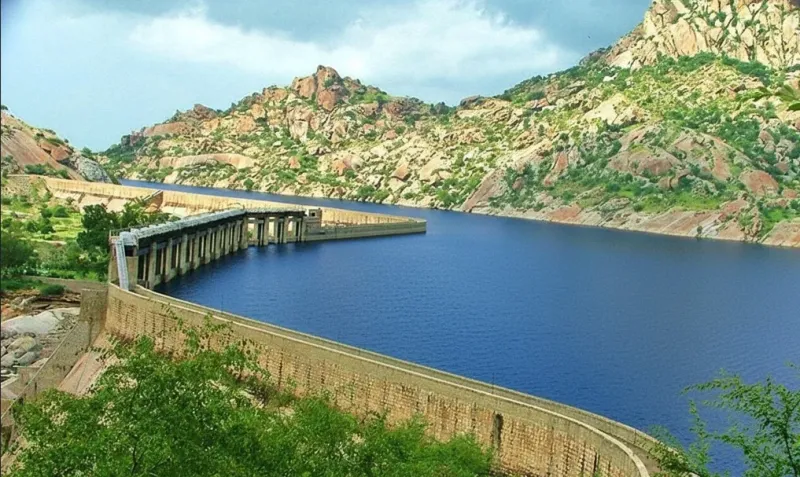
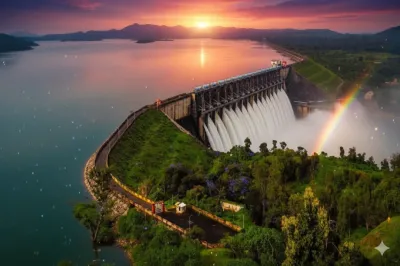
Mahi Dam: A peaceful spot for boating and picnics.
-
Kagdi Pick-Up Weir: A scenic locale perfect for nature walks.
-
Diablab Lake & Anand Sagar: Ideal for sunsets and birdwatching.
-
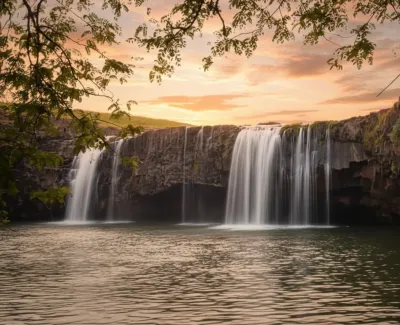
Paraheda Waterfall: A monsoon delight hidden in the hills.
Temples and Tranquility: Banswara’s Spiritual Sites
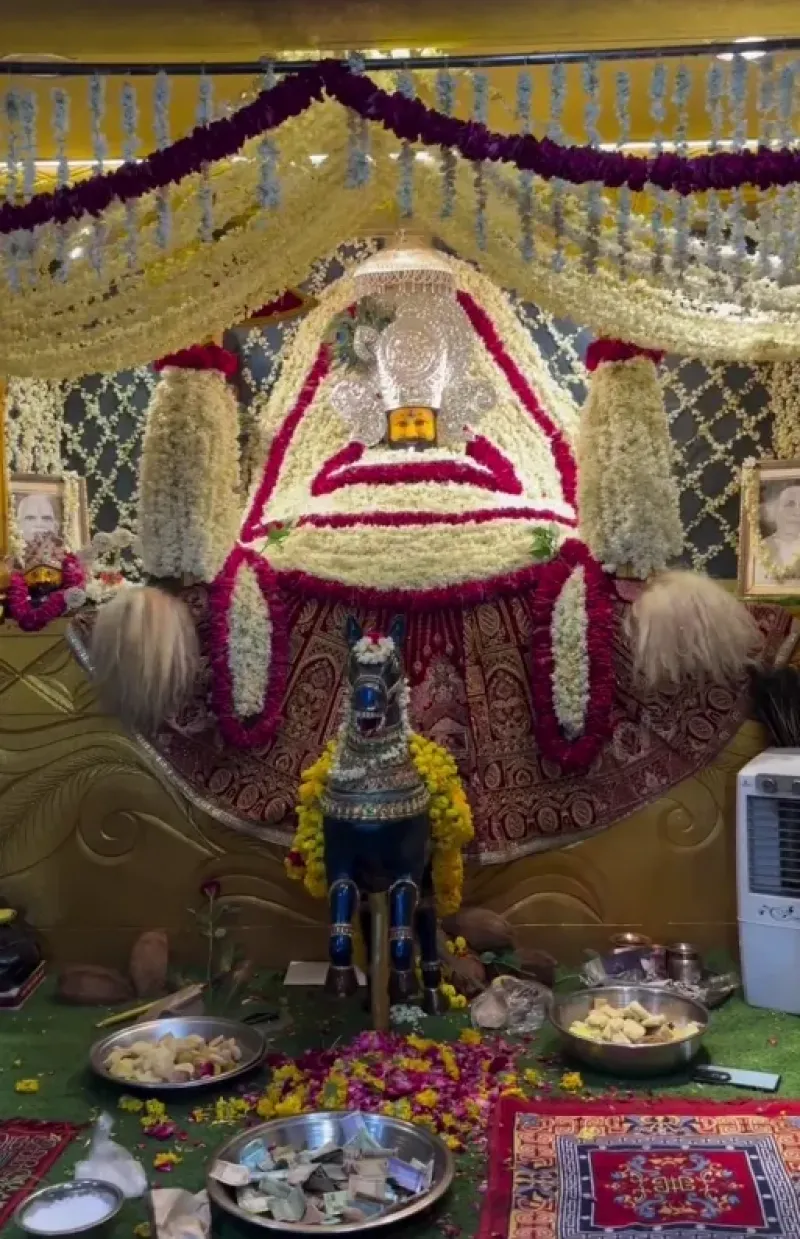
Spiritual travelers will find peace in Banswara’s ancient temples:
-
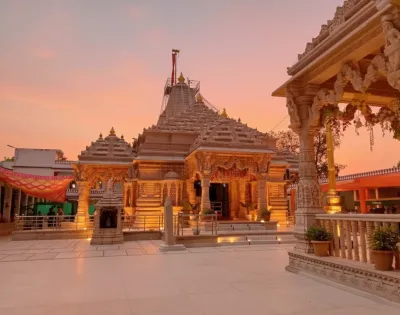
Tripura Sundari Temple: A revered Shakti Peeth, believed to be over 1000 years old.
-
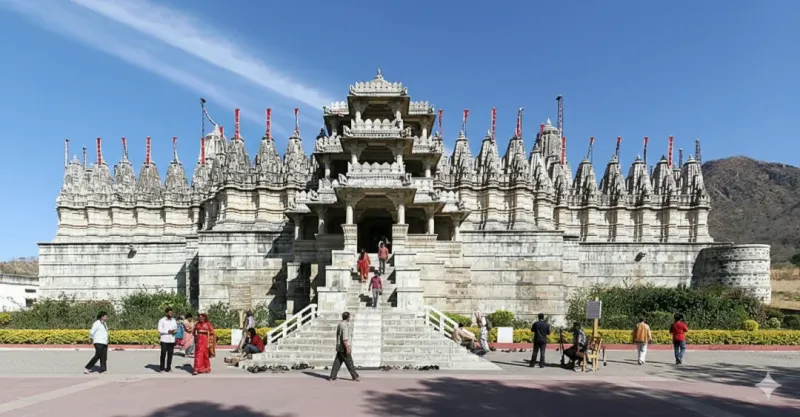
Andeshwar Parshwanath Temple: A Jain pilgrimage site atop a hill.
-
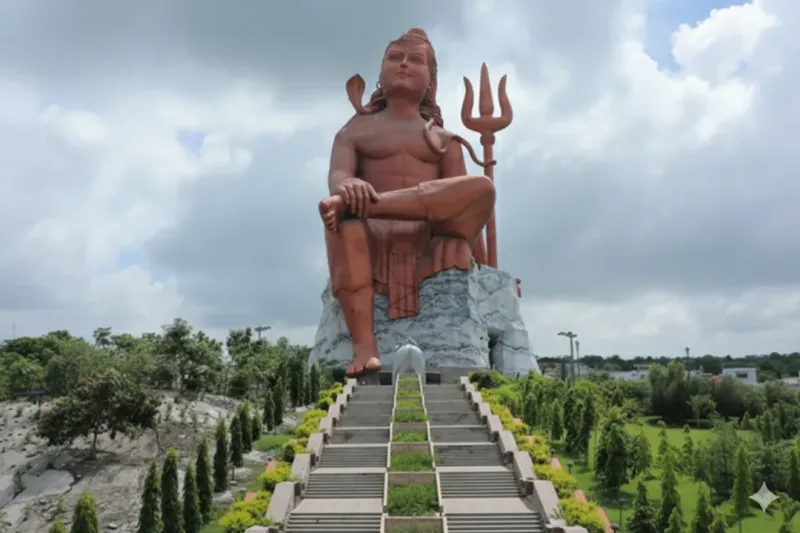
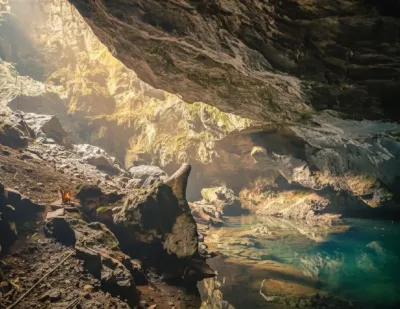
Madareshwar Temple: Nestled in a cave, this Lord Shiva temple offers a serene experience.
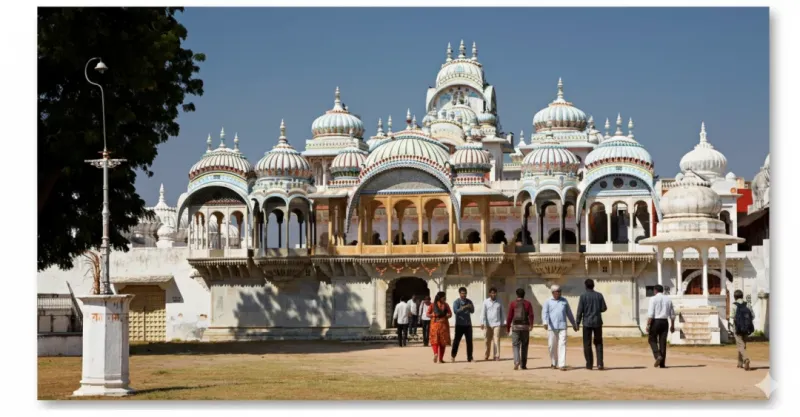
Each site is not only a place of worship but also showcases local architecture and devotion.
The Island Vibe: Why Banswara is Called the City of Hundred Islands
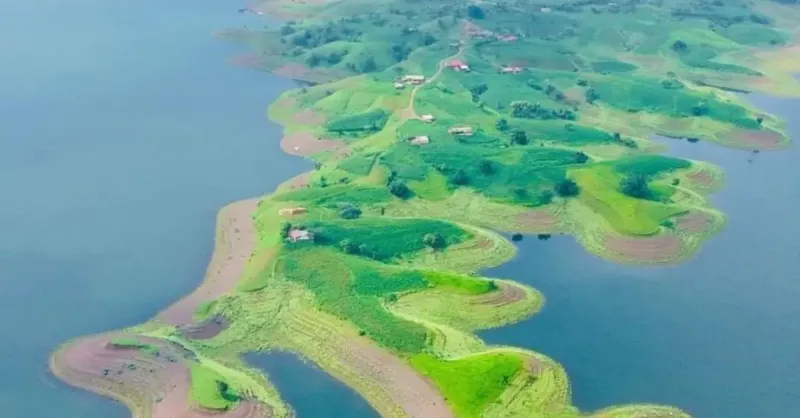
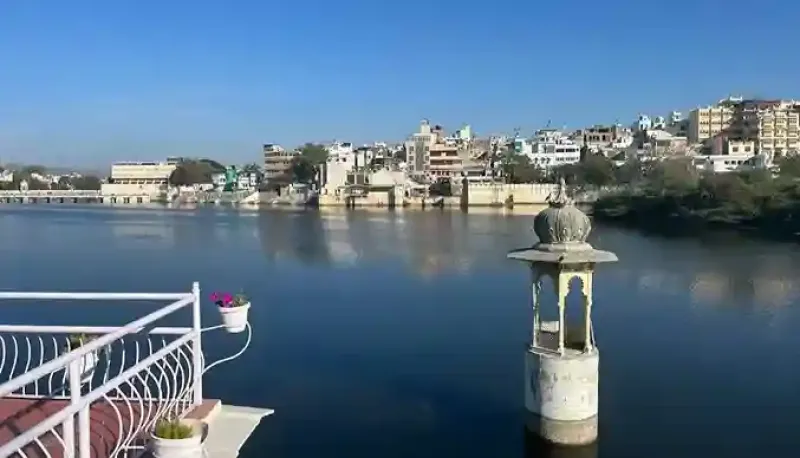
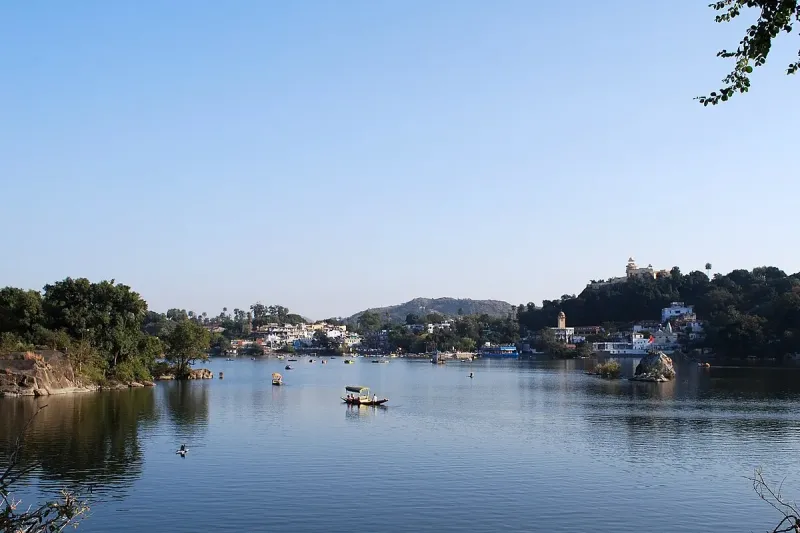
Banswara earns its title from the scattered river islands created by the Mahi River, especially around Anand Sagar Lake. These lush green patches surrounded by water offer a unique landscape that’s rare in Rajasthan.
Whether you’re looking for photography spots, peaceful getaways, or just a break from the ordinary, the "island feel" of Banswara will charm you instantly.
Hidden Gems of Banswara: Places Few Tourists Know
If you enjoy discovering places off the map, Banswara has plenty:
-
Singpura Fort: A dilapidated structure full of legends.
-
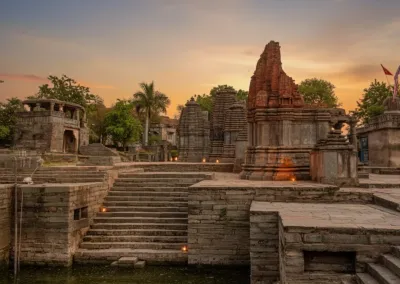
Bhagora Temple: An ancient site with intricate carvings.
-
Talwara: Known for its old temples and tribal settlements.
You won’t find large crowds here—only raw beauty and deep cultural vibes.
Taste of Tradition: What to Eat in Banswara
Rajasthani food here gets a tribal twist. Try local delicacies like:
-
Baati with Maas (Meat Curry) – a tribal variation of the famous dish.
-
Doodh Ma Dhokla – rice and urad dal cakes soaked in milk.
-
Mahua Liquor – a local specialty fermented from forest flowers.
Visit small dhabas and tribal kitchens for authentic flavors.
Where to Stay: From Tribal Huts to Cozy Hotels
Banswara offers a range of accommodations:
-
Eco-resorts that let you live among nature and tribal communities.
-
Comfortable hotels in the city with modern amenities.
-
Dharamshalas near temples for spiritual travelers.
Whether you're on a budget or seeking comfort, there’s a stay for every kind of explorer.
Fairs and Tribal Festivals: Dance, Drums, and Devotion
Banswara's festive calendar is a burst of colors and energy:
-
Baneshwar Fair (February): Known as the Kumbh Mela of tribes.
-
Ghotia Amba Fair: A tribal event filled with folklore.
-
Holi and Diwali: Celebrated with unique Bhil rituals.
These events are perfect for travelers who want to witness authentic rural celebration and spirituality.
Outdoor Fun in Banswara: Boating, Trekking & Birdwatching
For nature and adventure lovers, Banswara has much to offer:
-
Boating at Mahi Dam
-
Trekking in Aravalli foothills
-
Birdwatching near Anand Sagar and Diablab Lake
Adventure is more relaxed here—perfect for slow travelers who want to soak in natural beauty without the crowds.
A Peaceful Break: Slow Travel and Relaxation in Banswara
Banswara encourages you to slow down. Read a book under a banyan tree, chat with locals over chai, or just sit by a waterfall and listen to nature. It’s a retreat for the soul—unhurried, uncrowded, and deeply fulfilling.
Plan Your Banswara Journey: Travel Tips and Essentials
-
Best Time to Visit: October to March for pleasant weather; July–September for lush greenery.
-
How to Reach: Udaipur (165 km) is the nearest major airport. Banswara has road connectivity from all major Rajasthan cities.
-
Local Transport: Hire local autos or taxis to explore in and around.
-
Pack Smart: Carry comfortable shoes, sun protection, and a power bank for rural zones.
-
Respect Culture: Banswara is culturally sensitive—dress modestly and ask before photographing people or rituals.
Final Thoughts
If you’re looking to explore a side of Rajasthan that’s vibrant, green, and rooted in tribal tradition—Banswara is your answer. It’s not just a destination, but an experience of authenticity, calm, and connection.
Ready to uncover the lush side of Rajasthan?
Book your Banswara tour package with Tejofy Travels today and step into a land where nature, culture, and peace exist in perfect harmony.
More Attractions In Banswara

Top Destinations