About Chittorgarh
Chittorgarh Awaits: The Majestic Realm of Warriors and Legends
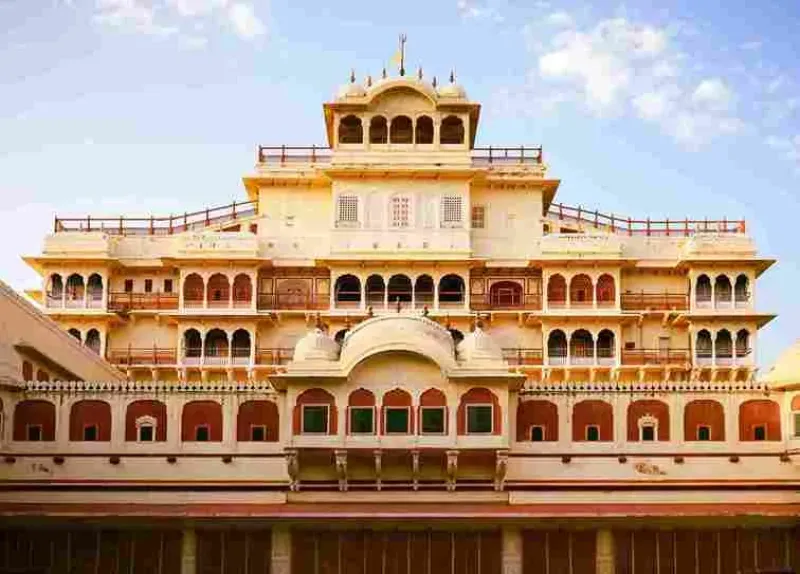
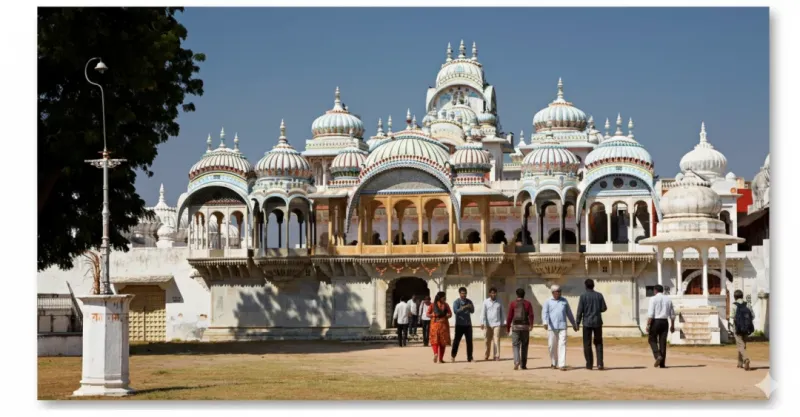
Nestled in the heart of Rajasthan, Chittorgarh stands as a symbol of courage, sacrifice, and undying legacy. Known for its colossal fort, ancient temples, and rich history, this hidden gem offers a unique blend of architecture, culture, and spiritual essence. Whether you’re a history enthusiast, a lover of architectural marvels, or simply seeking a new adventure, Chittorgarh promises to take you on a journey through time. Let’s delve deeper into what makes Chittorgarh the majestic realm it is.
Chronicles of Chittorgarh: Where Heroism Meets Heritage
Chittorgarh is not just a town; it is a living, breathing testimony to the indomitable spirit of Rajasthan’s warriors. It is here that the legendary battles of Rajput kings were fought, where honor was defended at the cost of life, and where the triumphs and tragedies of history shaped the land. The Chittorgarh Fort, a UNESCO World Heritage Site, dominates the landscape and reflects the bravery of Rajput rulers like Rana Kumbha and Maharana Pratap.
For centuries, the fort withstood sieges, yet it remains a living relic of a bygone era, telling tales of sacrifice, valor, and grandeur. Exploring Chittorgarh is like stepping back in time—where every stone has a story to tell, and every structure whispers tales of royal glory.
Getting There: Easy Travel Routes to the Land of the Brave
Chittorgarh is well-connected to major cities in Rajasthan, making it easily accessible for travelers. Whether you’re traveling by train, bus, or car, reaching this historic city is straightforward.
-
By Road: Chittorgarh is approximately 120 km from Udaipur and 300 km from Jaipur, making it a perfect road trip destination. National highways connect the city to key tourist hubs in Rajasthan and beyond.
-
By Rail: The Chittorgarh Railway Station is well-connected to cities like Jaipur, Udaipur, and Delhi. The journey by train offers scenic views and is a great option for those traveling long distances.
-
By Air: The nearest airport to Chittorgarh is in Udaipur (Raja Bhog Airport), about a two-hour drive away. From there, you can hire a cab or take a bus to Chittorgarh.
Timeless Marvels: Unraveling the Architecture of Chittorgarh Fort
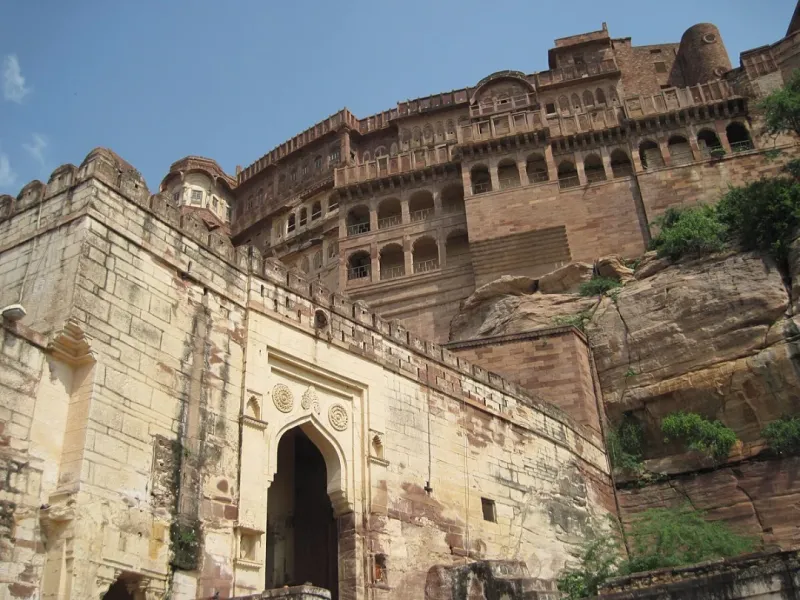
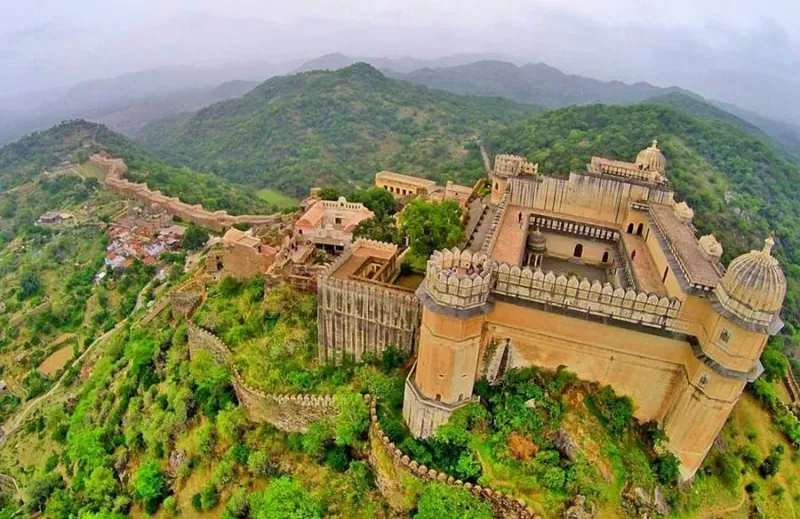
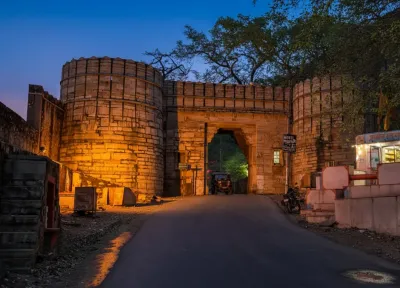
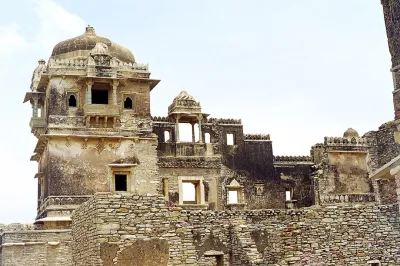
The centerpiece of Chittorgarh is undoubtedly the Chittorgarh Fort, one of the largest forts in India. Spread across an area of 700 acres, this massive fort is a splendid display of Rajput military architecture. The fort walls, which stretch over 13 km, house several palaces, temples, and gates. Here are some must-visit architectural highlights within the fort:
-
Vijay Stambh (Tower of Victory): A towering structure built by Rana Kumbha to commemorate his victory over the combined forces of Malwa and Gujarat. The intricate carvings on this 37-meter high tower are a marvel to behold.
-
Kirti Stambh (Tower of Fame): Smaller but equally impressive, this Jain tower stands as a tribute to Lord Adinatha.
-
Rani Padmini’s Palace: The queen’s palace is a stunning example of Rajput architecture, complete with a serene lotus pool.
-
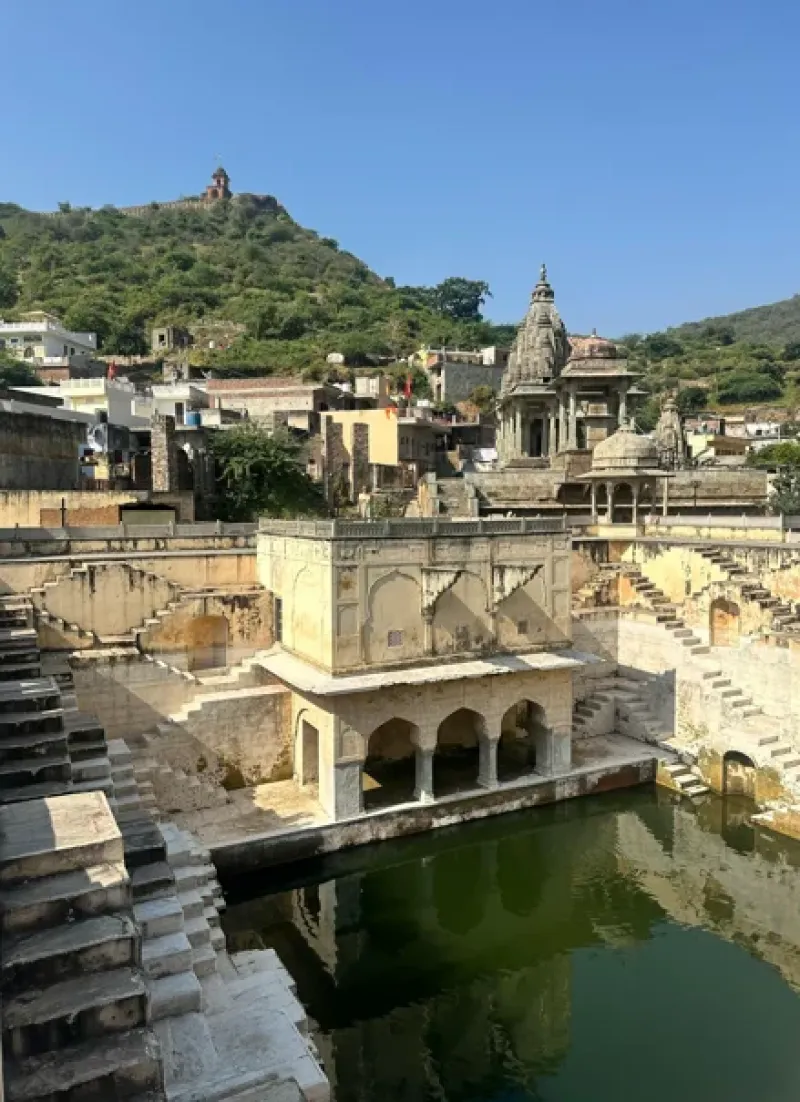
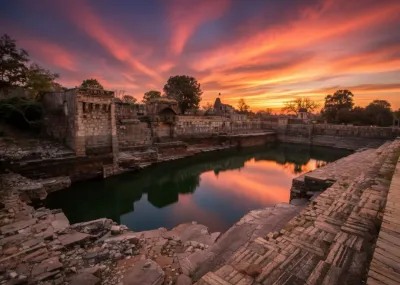
Gaumukh Reservoir: A sacred site within the fort, this water reservoir is carved from stone and is fed by a natural spring.
Sacred Spaces: Temples and Shrines That Define Chittorgarh’s Soul
Chittorgarh is not only known for its grandeur but also for its deep spiritual roots. The city boasts several temples and shrines that offer peace and spiritual reflection.
-
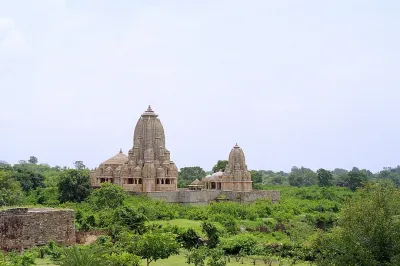
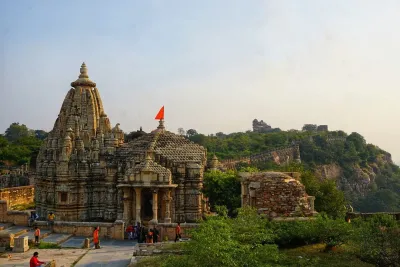
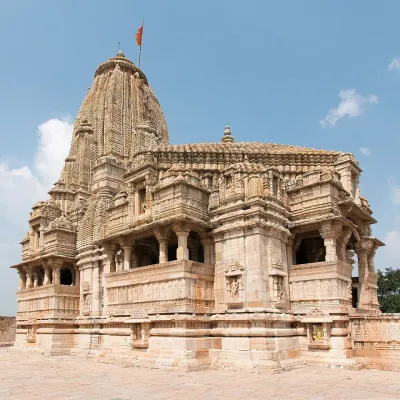
Meera Bai Temple: Dedicated to the beloved saint-poetess Meera Bai, this temple is a sacred spot for devotees and admirers of her devotional songs.
-
Kalika Mata Temple: Located on the fort’s highest point, this temple dedicated to the goddess Kalika offers panoramic views of the city and holds a strong religious significance.
-
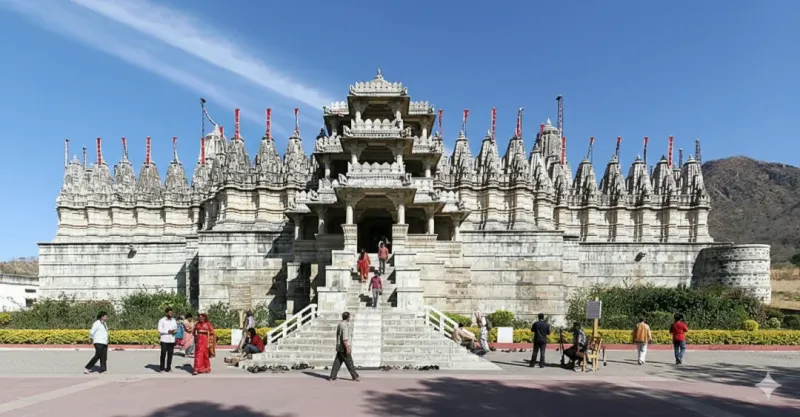
Jain Temples: The fort also houses several Jain temples, known for their intricate architecture and peaceful ambiance.
Visiting these sacred spaces allows one to connect with the spiritual legacy of Chittorgarh, where divinity and history blend seamlessly.
Legacy in Stone: Royal Residences, Towers, and Ancient Water Bodies
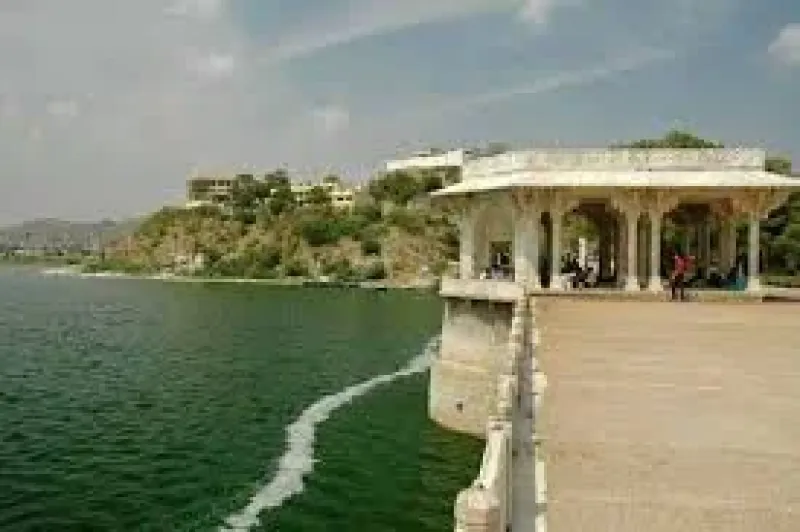
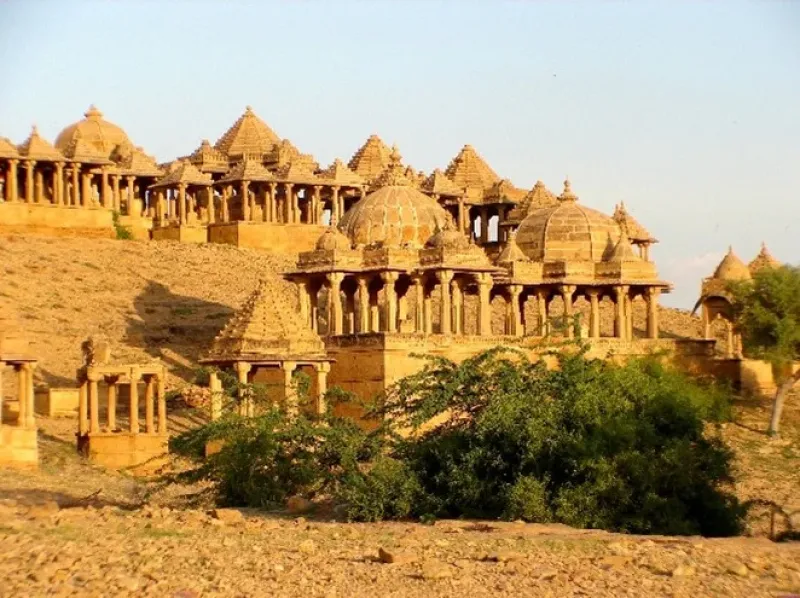
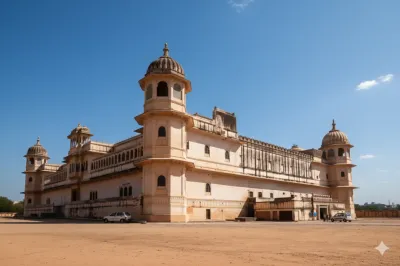
Chittorgarh is not just about the fort's defensive structures; it also has royal residences, majestic towers, and ancient water bodies that reflect the region’s opulence. The Fateh Prakash Palace and Rana Kumbha Palace are perfect examples of Rajput-era royal architecture. The Moksh Kund, a water body believed to bring liberation, is another testament to the grandeur of ancient water management systems in the fort.
Cultural Craftworks: Discover Chittorgarh’s Artistic Expressions
Beyond the fort's towering structures, Chittorgarh is also a haven for those interested in Rajasthani craftsmanship. Local artisans are known for their intricate stone carvings, traditional jewelry, and hand-woven fabrics. You can explore these cultural treasures in the local markets and take home a piece of Chittorgarh’s artistic legacy.
The vibrant handicrafts of Chittorgarh reflect the city’s rich cultural history and are the perfect souvenir to remember your trip by.
Flavors of the Fort City: Relishing Traditional Rajasthani Dishes
No trip to Chittorgarh is complete without tasting the traditional Rajasthani cuisine. The local food here is rich, flavorful, and packed with spices. Here are some dishes you must try:
-
Dal Baati Churma: A quintessential Rajasthani dish, this combination of lentils, baked wheat balls, and sweetened crushed wheat is a must-have.
-
Laal Maas: A spicy mutton curry that’s perfect for those who enjoy rich and fiery flavors.
-
Ghevar: A sweet dish made of flour, sugar, and ghee, traditionally served during festivals.
Savor these dishes at local eateries or heritage hotels offering an authentic Rajasthani dining experience with a view of the fort.
Stay in Style: Lodging Options for Every Kind of Explorer
Chittorgarh offers a variety of accommodation options, catering to every type of traveler. Whether you prefer luxurious heritage hotels or budget-friendly guesthouses, you’ll find a place that suits your needs.
-
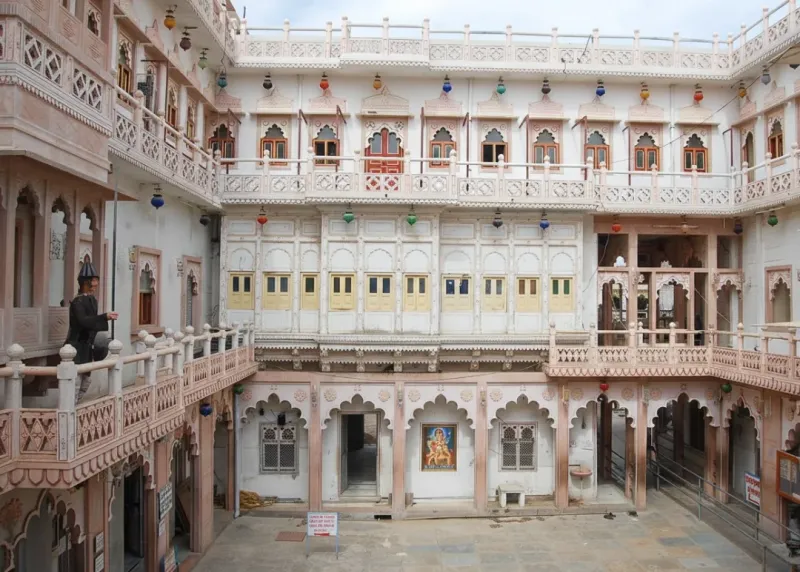
Heritage Hotels: Stay in restored palaces and havelis, where you can experience royal Rajput hospitality while enjoying modern amenities.
-
Budget Hotels and Guesthouses: If you’re looking for a more budget-conscious option, Chittorgarh has plenty of guesthouses and budget hotels that offer comfortable stays without breaking the bank.
Celebrations in Chittorgarh: Fairs, Rituals, and Local Festivities
Chittorgarh comes alive during its annual festivals, and visiting during these celebrations gives you a chance to experience the vibrant culture of the city. The Jauhar Mela, which marks the heroic sacrifices of Rajput women, and the Teej Festival, celebrated with traditional folk dances, are just some of the events that bring the city to life.
The colorful celebrations, with folk music, dance, and processions, offer a glimpse into the region’s traditions and give you an authentic taste of Rajasthani culture.
Hidden Corners of Nature: Scenic Spots Beyond the Fortress Walls
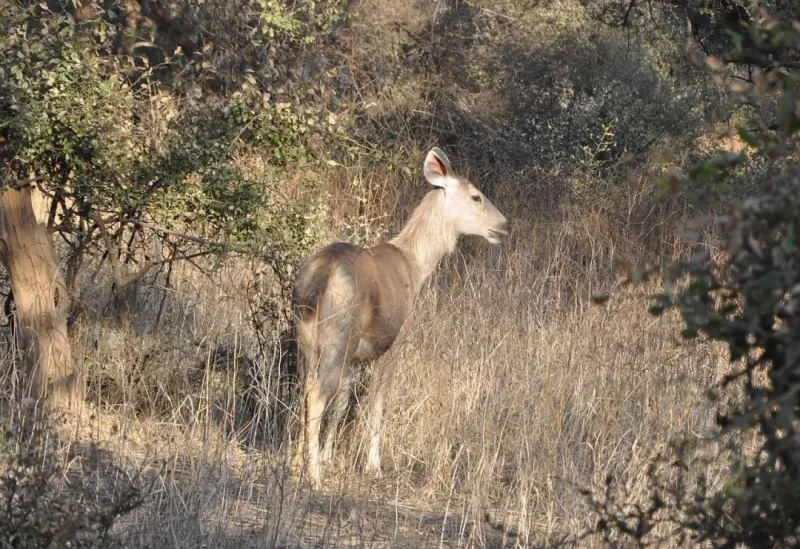
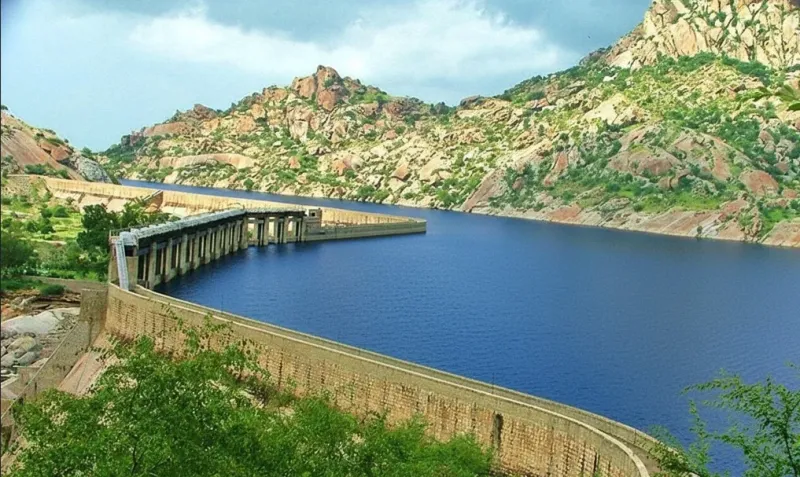
While the fort and temples are the main attractions, Chittorgarh also offers beautiful natural landscapes. The Bassi Wildlife Sanctuary, located just outside the city, is home to a variety of wildlife, including deer and leopards. Menal Waterfalls, with its cascading waters and serene surroundings, is another perfect escape for nature lovers.
Chittorgarh’s scenic beauty provides a peaceful contrast to its historic landmarks and is an ideal destination for those seeking serenity amidst nature.
Essential Insights: Smart Tips to Plan Your Chittorgarh Escape
-
Best Time to Visit: October to March is the best time to explore Chittorgarh, as the weather is cooler and more comfortable for sightseeing.
-
How to Get Around: Local taxis and auto-rickshaws are available for transportation within the city. You can also hire a guide to explore the fort and other historical sites.
-
What to Pack: Comfortable shoes for walking, sunscreen, and a hat are essential, as you’ll be exploring outdoors. Also, carry a camera to capture the breathtaking views and architectural marvels.
Plan Your Chittorgarh Journey with Tejofy Travels
At Tejofy Travels, we specialize in creating personalized, immersive travel experiences that bring history to life. From guided tours of the fort to cultural excursions and culinary experiences, our Chittorgarh tour packages are tailored to your interests.
? Book Your Adventure Today and explore the legendary land of Chittorgarh! Visit Tejofy.in to get started.
More Attractions In Chittorgarh
Our Most Popular Packages
Top Destinations