About Churu
Churu: Where Desert Winds Whisper History
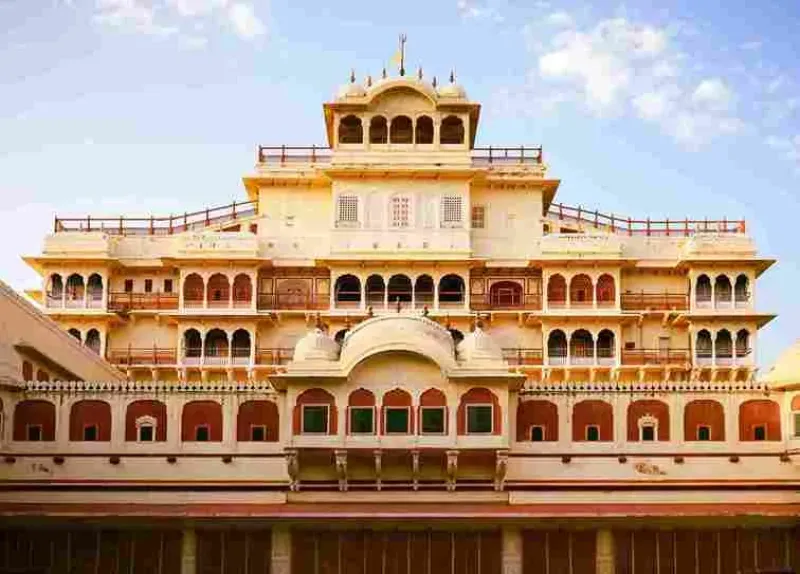
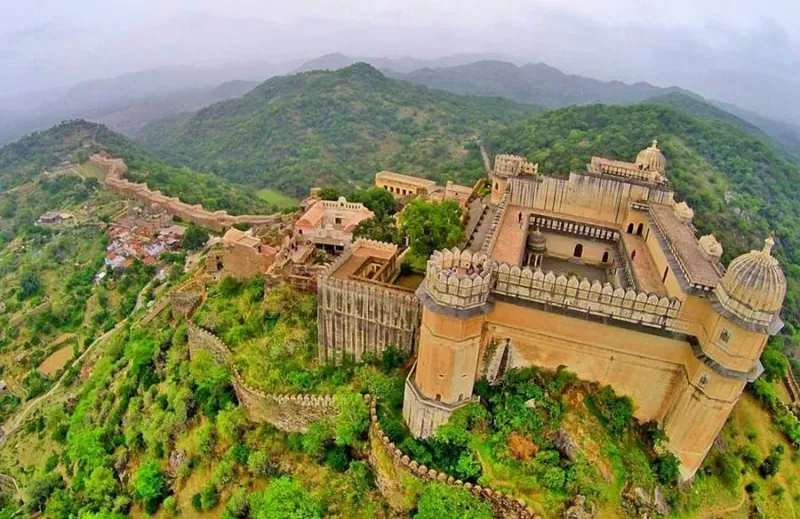
Nestled on the edge of Rajasthan’s Thar Desert, Churu is a town that seems frozen in time—its dusty lanes guarded by age-old havelis adorned with frescoes, its stories murmured through the sand-swept breeze. Often overshadowed by its more famous neighbors like Bikaner or Jaipur, Churu offers a different kind of charm: one shaped by art, silence, and heritage. It’s not just a destination—it’s a revelation for the curious traveler.
The Forgotten Frescoes of Rajasthan
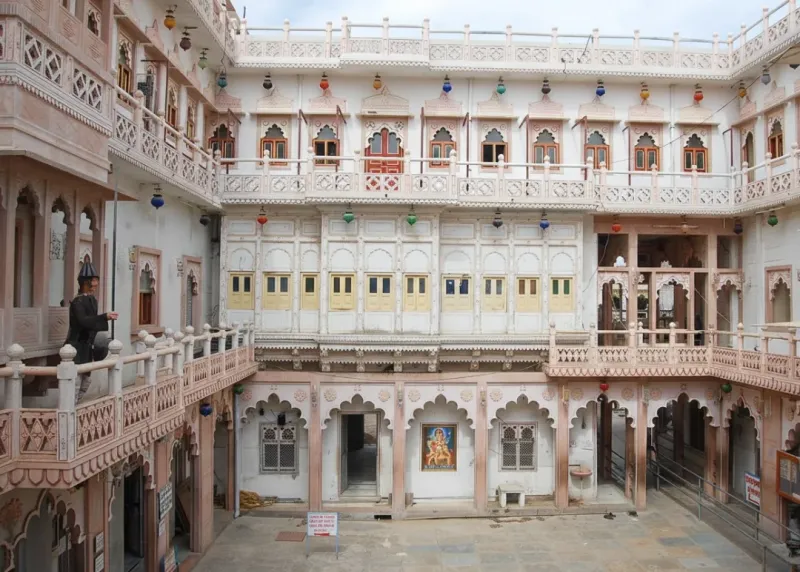
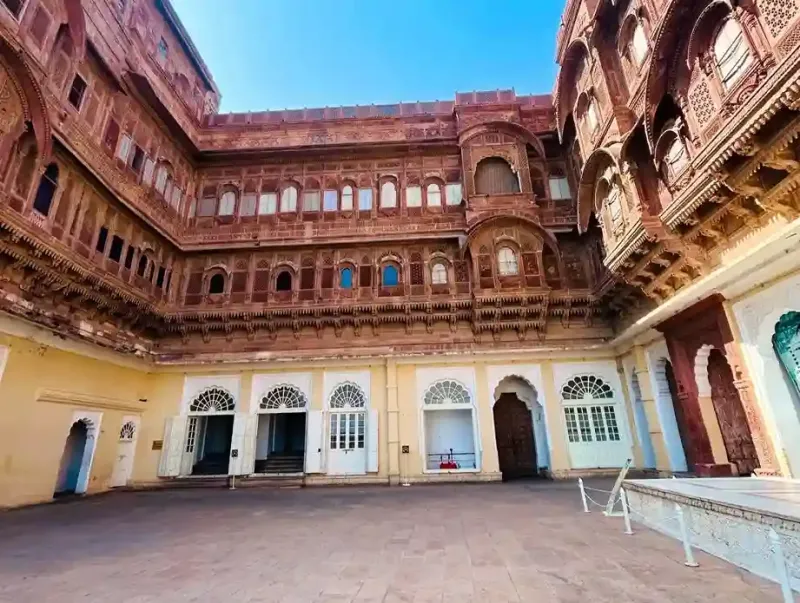
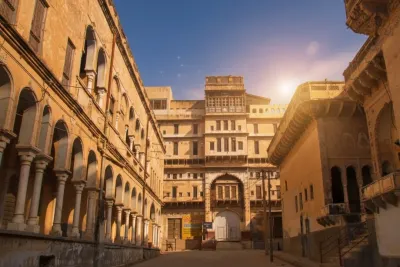
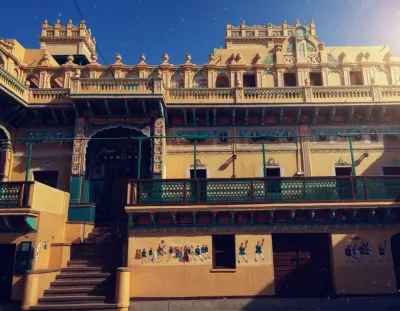
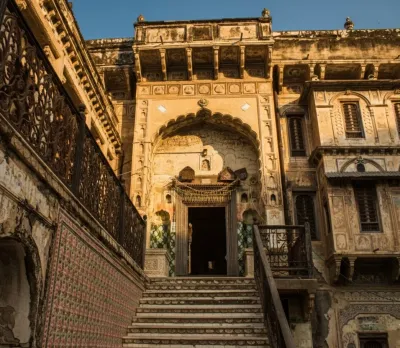
Churu is a living canvas. While cities like Shekhawati may boast artistic fame, Churu is where these legendary frescoes first bloomed. Hidden behind aging wooden doors and ornate jharokhas are stories painted across walls—tales of mythology, royal patronage, and colonial curiosity. These artworks, often found in abandoned havelis, are some of the finest examples of Rajasthani mural art, waiting patiently to be rediscovered.
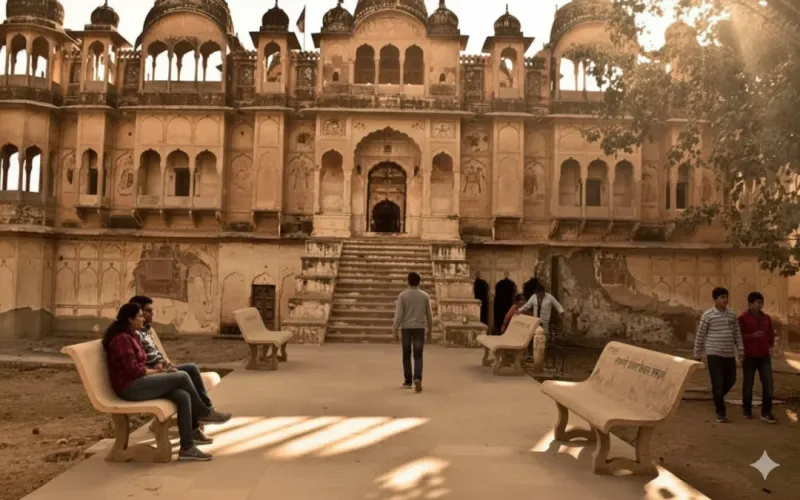
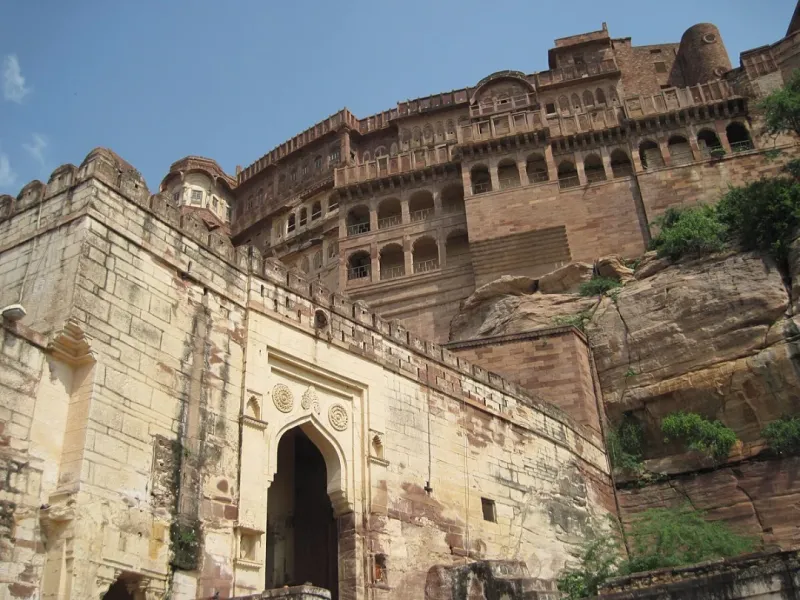
Walking through the city feels like time travel. Each building, whether dilapidated or restored, carries whispers from the 18th and 19th centuries, speaking to the town’s prosperous trading past.
Not Just a Desert Town: The Geography of Churu
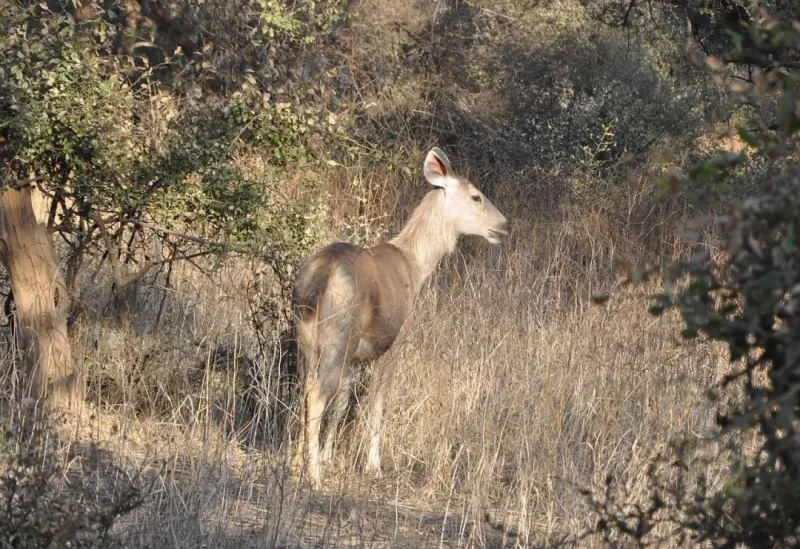
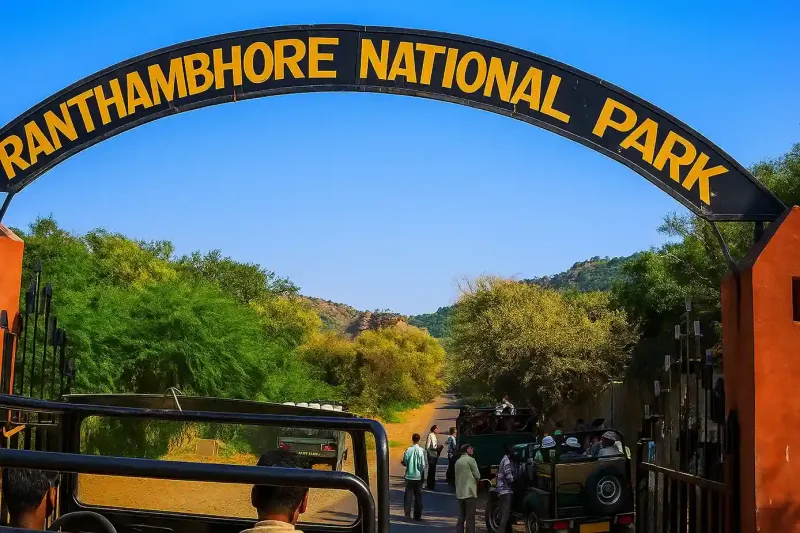
Although Churu lies within the Thar Desert, it's far more than just endless dunes. The town is surrounded by semi-arid land, sand ridges, and occasional green belts that bloom during the monsoon. The Tal Chhapar Sanctuary, just an hour away, is a surprise package—home to blackbucks, harriers, and desert foxes. This blend of terrain makes Churu ideal for those who enjoy nature interspersed with solitude.
Architecture Beyond Palaces: Jain Temples, Cenotaphs, and More
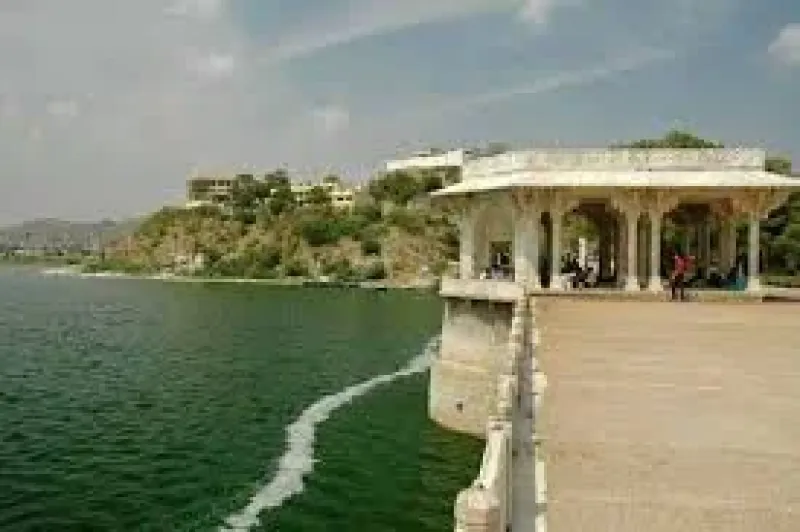
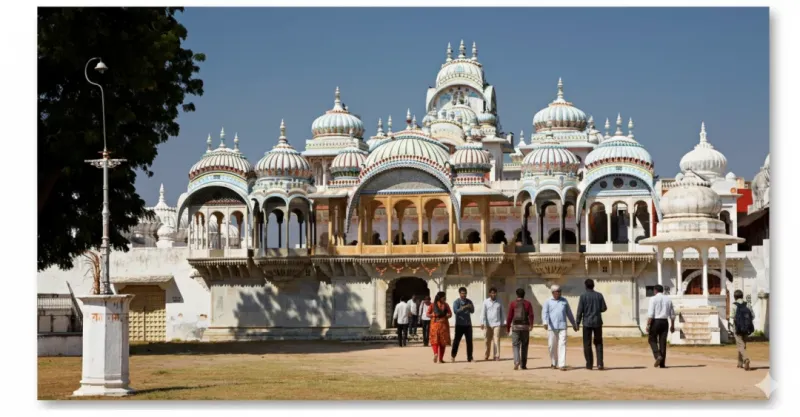
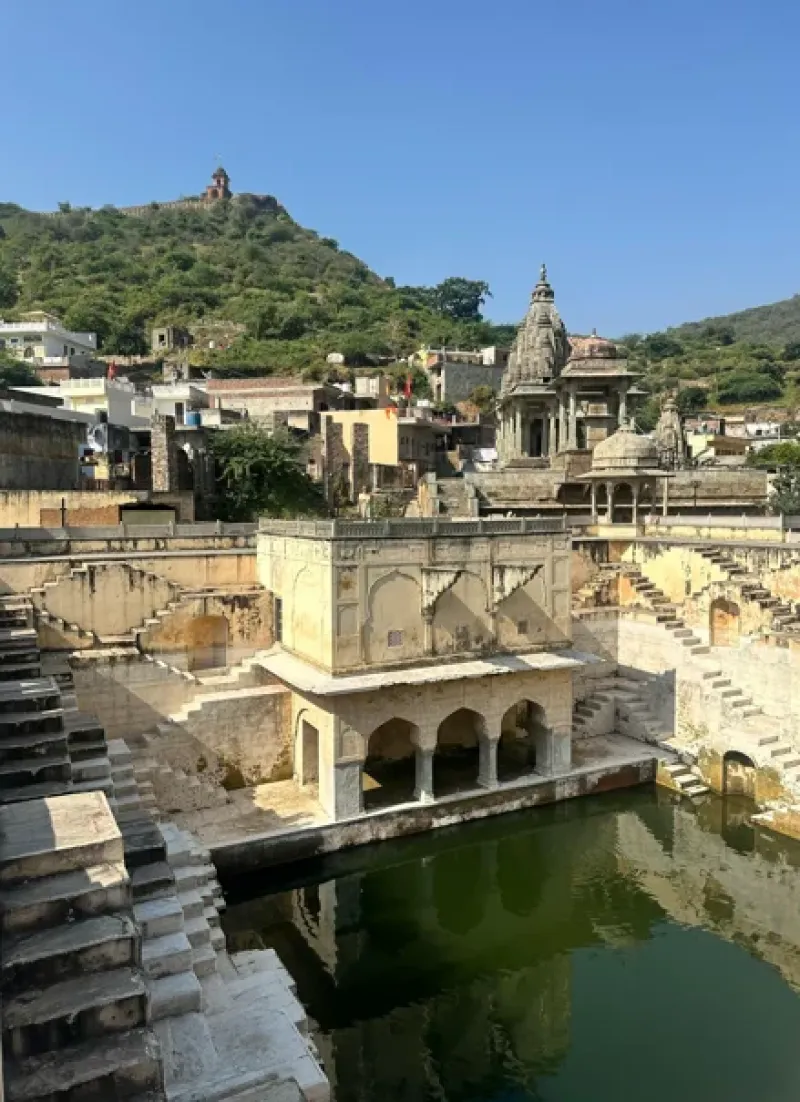
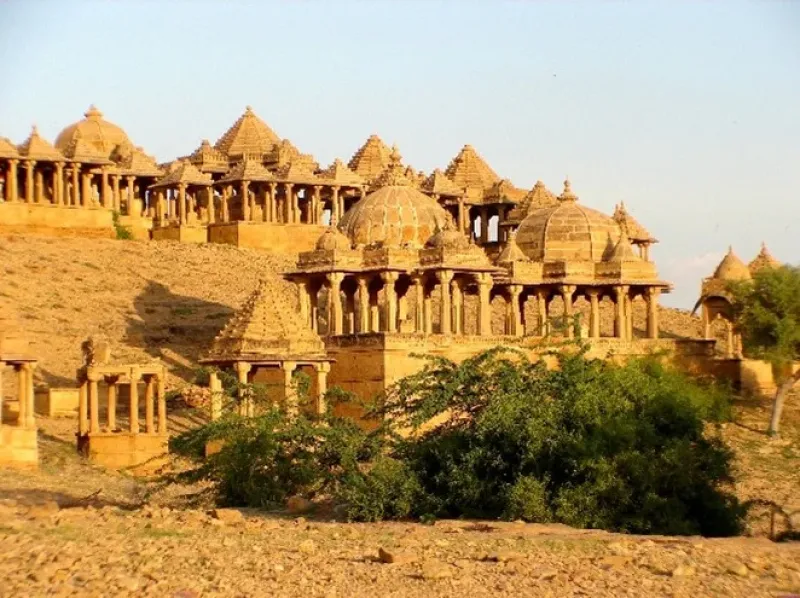
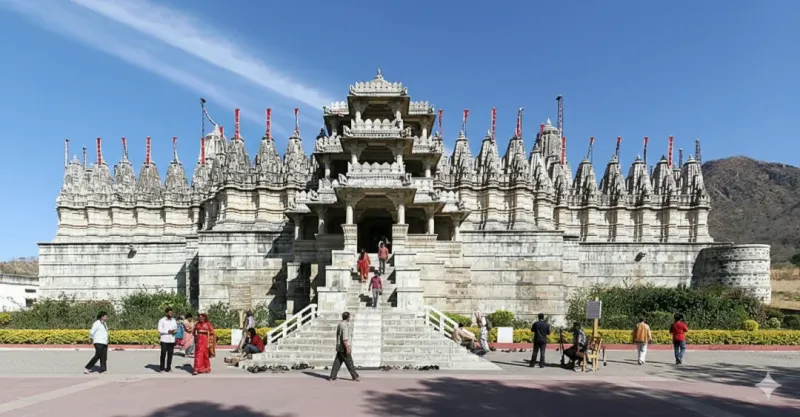
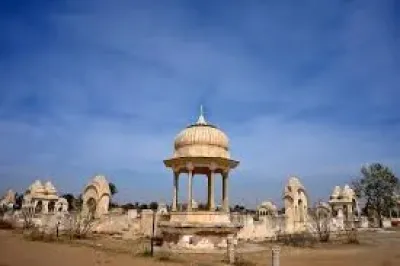
Churu’s architectural marvels are not limited to havelis. The Jain temples here are spiritual sanctuaries wrapped in stone carvings and intricate detailing. The Surana Brothers’ Haveli, with over 1000 doors, showcases opulence in its finest form. Visit the Aath Kambh Chhatri (Eight Pillared Cenotaph), where silence and sculpture coexist beautifully.
This is a town where architecture doesn't shout—it whispers, and every turn opens up a portal to a forgotten world.
Churu Through the Lens: A Photographer’s Paradise
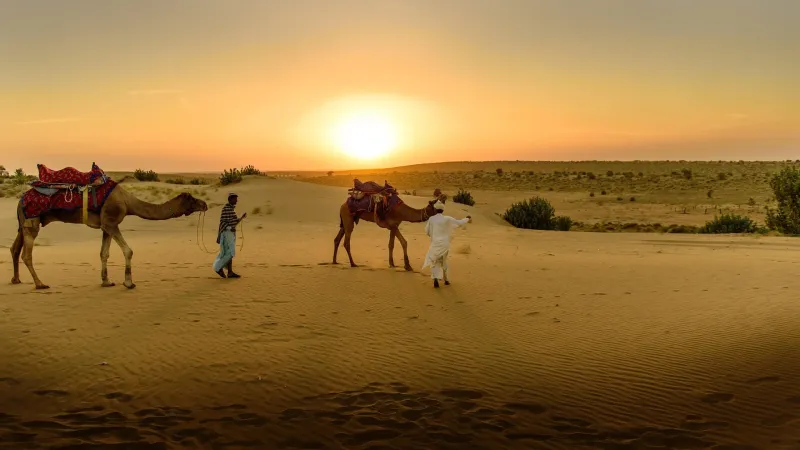
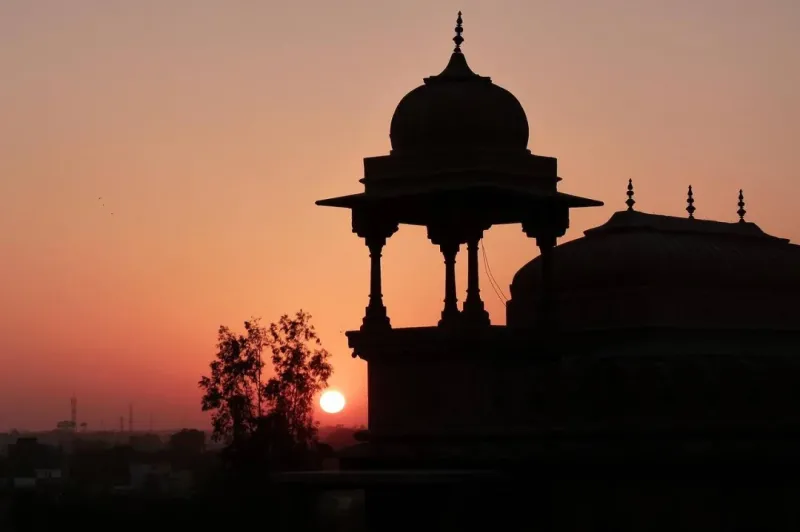
If you’re a shutterbug, Churu will spoil you with frames. Whether it’s the sun peeking through lattice windows, kids playing under painted archways, or camels resting against a sandstone backdrop, the town is a visual storyteller’s dream. Golden-hour walks here are especially magical, as the warm tones of the buildings glow softly, adding a painterly filter to your lens.
A Quiet Conversation with the Past: Museums and Heritage Walks
For a deeper understanding of Churu’s roots, join a guided heritage walk through the old quarters. These walks not only explore the frescoes but unravel the economics, culture, and traditions that shaped the town.
The Kanhaiyalal Bagla Haveli Museum is worth a visit. It hosts artifacts, photographs, and oral histories curated to preserve the soul of this slowly disappearing world. Every exhibit reminds you why Churu is not just seen—it’s felt.
People of the Painted Town: Local Voices and Artisan Stories
Meet the descendants of the original fresco artists, many of whom still reside in Churu and nearby villages. Some now create miniature art, handcrafted paper goods, and folk paintings for a new generation of buyers. Engaging with these locals adds emotional depth to your journey—you’re not just observing, you’re connecting with a living heritage.
Conversations with elderly haveli caretakers or temple priests reveal insights not found in any guidebook. Their stories are the soul of Churu.
Day Trips and Desert Drives: Churu’s Nearby Wonders
Churu also serves as a great base for exploring nearby gems:
-
Tal Chhapar Sanctuary – Ideal for birdwatchers and wildlife photographers.
-
Ratannagar – Another heritage town with lesser-known but equally striking havelis.
-
Sujangarh – Known for its Jain temples and cultural scene.
Each road trip is an encounter with Rajasthan’s diverse desert topography and lesser-known history.
A Desert Table Set with Flavor: Churu’s Traditional Cuisine
No visit is complete without tasting the local food. Churu’s Rajasthani thalis brim with ghee-laden rotis, spicy curries, and tangy chutneys. Don’t miss out on:
-
Ker Sangri – A desert bean dish.
-
Bajre ki Roti with lassi – A staple of local life.
-
Churma laddoos – A sweet treat made with flour and jaggery.
Many heritage stays in Churu offer traditional home-cooked meals, adding authenticity to every bite.
Where Past Meets Present: Heritage Hotels and Homestays
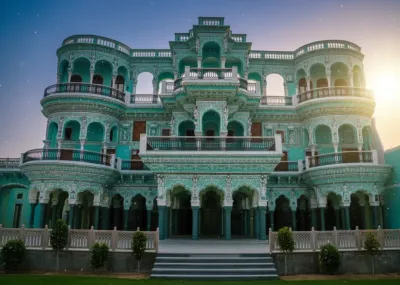
Whether you’re seeking luxury or budget stays, Churu delivers with charm. Many havelis have been converted into boutique hotels, offering the comfort of modern amenities alongside traditional décor. Homestays with local families are ideal for cultural immersion, especially for solo travelers and backpackers.
Popular stay options include:
-
Malji Ka Kamra – A restored haveli with Italian-Rajput architecture.
-
Sethani Ka Bagh – A peaceful garden retreat near town.
Churu After Dusk: Cultural Evenings and Fireside Tales
Evenings in Churu are serene. But if you stay in a heritage property, you might be treated to folk performances, puppet shows, or storytelling sessions by locals. Gather around a fire as musicians sing of desert journeys and ancient love stories. It’s an intimate way to end your day—wrapped in melodies under a star-lit sky.
Planning Ahead: Responsible Travel in Churu
To preserve Churu’s fragile heritage:
-
Avoid touching frescoes or leaning on delicate walls.
-
Support local artisans by buying directly.
-
Choose stays that promote sustainability and local employment.
-
Travel with reusable bottles and avoid littering.
Churu is a delicate balance of art, culture, and ecology—treat it with care and it will reward you with timeless memories.
Final Thoughts: Why Churu Deserves Your Time
In the grand canvas of Rajasthan, Churu may appear as just a corner. But step into its silence, and you'll hear stories that cities forgot to tell. For art lovers, cultural explorers, and anyone seeking authenticity over popularity, Churu is more than worth the detour.
Ready to Discover Churu?
Let Tejofy Travels craft your perfect escape to Rajasthan’s best-kept secret. From heritage stays to customized cultural tours, your journey begins here.
Plan with us now – because some treasures aren’t meant to stay hidden.
More Attractions In Churu

Top Destinations